Joseph Isangura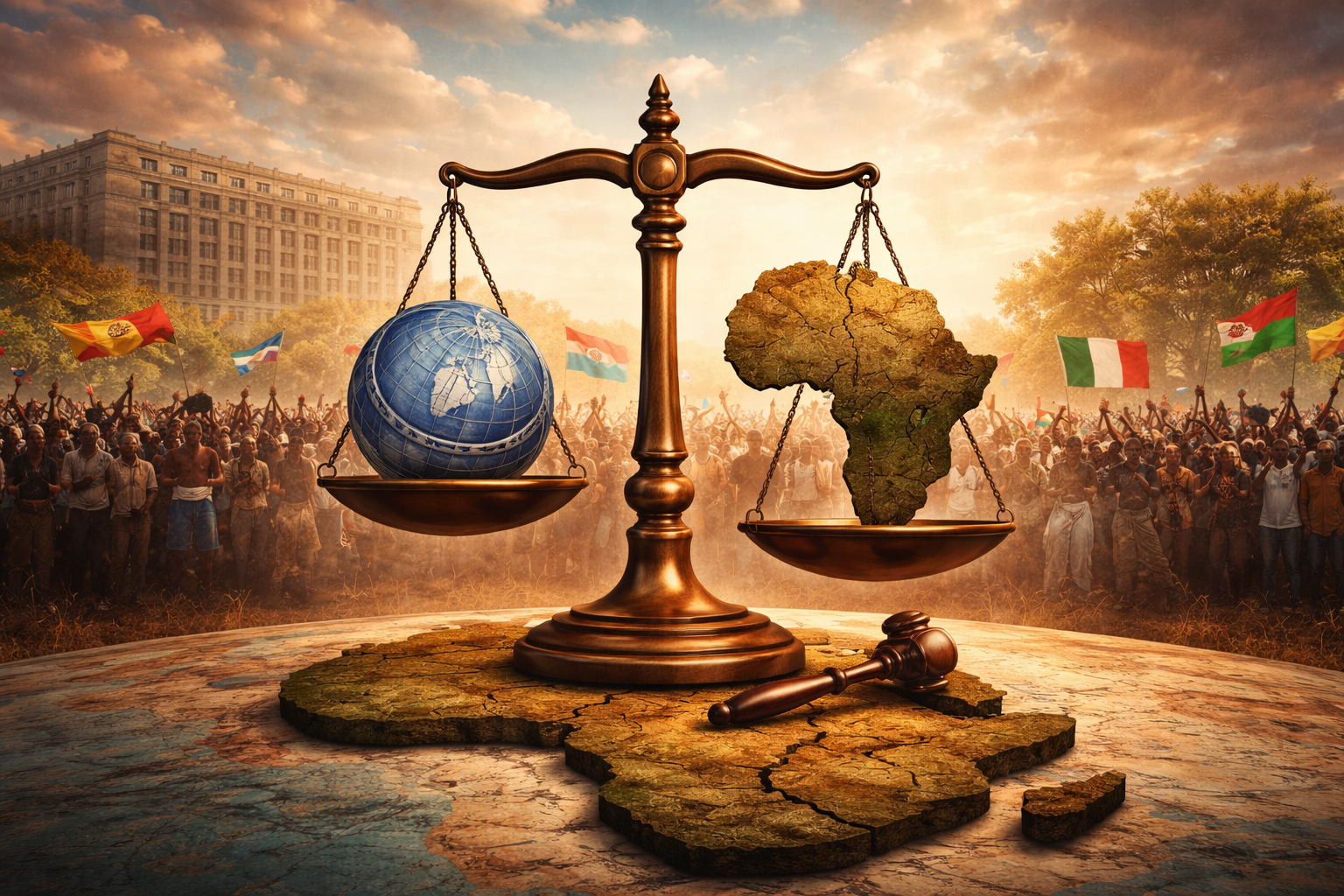
The debate over the fairness and balance of international justice has resurfaced with renewed intensity, placing Tanzania at the center of a broader continental conversation.
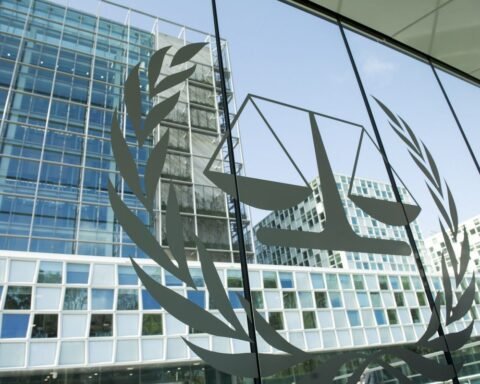
What began as a legal petition is now evolving into a defining moment for Africa’s relationship with global judicial institutions—particularly the International Criminal Court (ICC).
Six months after a coalition of international lawyers and human rights organizations submitted a request urging the ICC to investigate Tanzania’s conduct during the 2025 general elections, the issue has expanded far beyond national borders. It now raises a fundamental question: should Africa continue to rely on international courts largely shaped outside the continent, or is it time to establish an African-led system of justice?
Established in 2002 under the Rome Statute of the International Criminal Court, the ICC was designed to prosecute individuals for genocide, crimes against humanity, and war crimes when national courts are unable or unwilling to act. While its mission is globally recognized, its record has sparked persistent criticism—particularly across Africa.
Out of the more than 30 cases opened by the ICC since its inception, a significant majority have involved African individuals or conflicts. Critics argue that this pattern has fueled a perception of selective justice. “The issue is not accountability,” says one legal analyst based in Nairobi. “It is the imbalance in who is held accountable—and who is not.”
This sentiment is reinforced by the fact that several major global powers—including the United States, Russia, China, and India—are not parties to the ICC. Their absence has raised questions about the universality of the court’s jurisdiction and whether true global justice can exist without the participation of influential nations.
Across Africa, skepticism has gradually transformed into political action. In 2017, Burundi became the first country to withdraw from the Rome Statute, citing concerns over sovereignty and alleged bias. Since then, similar discussions have surfaced in other nations, though no mass withdrawal has materialized.
Legal scholars and policymakers are now exploring alternatives. One proposal gaining traction is the strengthening of regional judicial systems into a fully empowered African criminal court capable of handling serious international crimes. Advocates argue that such an institution would better reflect the continent’s legal traditions, political realities, and cultural context.
However, the path toward an African-led justice system is far from straightforward. Critics warn that regional courts may face challenges related to funding, political independence, and enforcement capacity. “Creating a new court is not enough,” notes a governance expert in Addis Ababa. “The real challenge lies in ensuring that it operates without political interference and commands global respect.”
Meanwhile, supporters of the ICC insist that the court’s focus on Africa is not a result of bias but rather a reflection of referrals made by African governments themselves. In several cases, countries voluntarily requested ICC intervention during periods of internal conflict. This, defenders argue, demonstrates the court’s role as a partner rather than an adversary.
Also Read; “Allies Must Stand Firm Against Expanding Global Threats”
Still, the perception of imbalance remains powerful—and perceptions, in international relations, often carry as much weight as facts.
In Tanzania, the ongoing debate has sparked wider public discourse about sovereignty, accountability, and the future of governance. While authorities have not formally responded to the ICC petition, analysts say the situation reflects a broader tension between national autonomy and international oversight.
Beyond Tanzania, the conversation is resonating across the continent, particularly among younger generations who are increasingly vocal about justice, transparency, and global equality. For many, the issue is not whether justice should be served, but how—and by whom.
As geopolitical dynamics shift and calls for reform grow louder, Africa finds itself at a crossroads. The continent must decide whether to reshape its role within existing global systems or to build new institutions that reflect its aspirations.
One thing is clear: the debate is no longer confined to courtrooms or diplomatic circles. It has become a defining question of our time—one that challenges the very foundations of international law.
And as the world watches, Africa is beginning to ask a bold question: can justice truly be global if it is not equal?