MWE Correspondent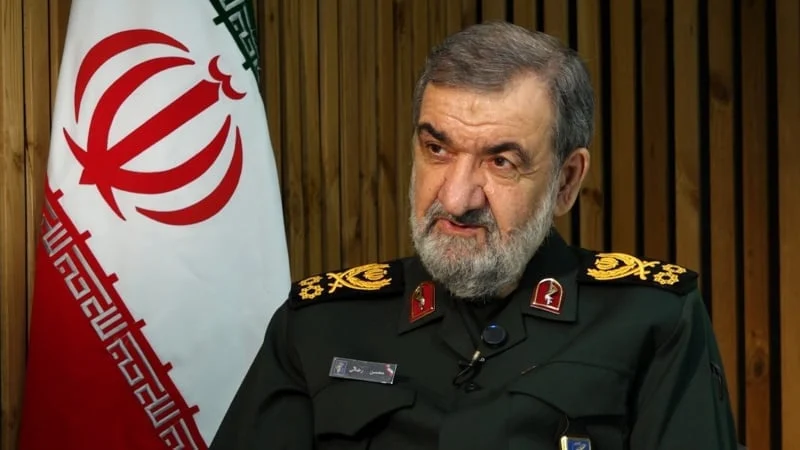
Iran has signalled confidence in its strategic relationships with China and Türkiye as Washington intensifies economic pressure on Tehran, with a senior Iranian security official saying Beijing will not simply follow the United States’ lead.
Mohsen Rezaei, Secretary of Iran’s Supreme National Security Council, has highlighted Tehran’s close ties with both countries as Iran faces a renewed U.S. campaign aimed at isolating its economy.
“China will not cooperate with America at all, and we have distinguished relations with our friends in Türkiye,” Rezaei said, according to remarks circulated in connection with Iran’s response to the U.S. economic campaign.
His comments come as Washington steps up sanctions and threatens secondary sanctions against countries and companies that continue doing business with Iran. The United States has described its latest strategy as an effort to cut Iran off from international financial and trade networks.
China is particularly important to Tehran because it remains Iran’s leading trading partner and a major buyer of Iranian oil. Beijing has rejected unilateral U.S. sanctions and said its legitimate economic cooperation with Iran should not be disrupted by external pressure.
Also Read: US Pushes G7 Allies for Tougher Iran Sanctions
Iran has also been seeking stronger regional relationships as pressure from Washington increases. Rezaei recently warned neighbouring countries against participating in what Tehran calls a U.S. “economic war,” saying countries that cooperate with Washington could face Iranian retaliation.
The China-Iran relationship has also received recent diplomatic attention. On August 11, Chinese Ambassador to Iran Cong Peiwu met Rezaei and discussed China’s proposal for promoting peace and stability in the Middle East, with Rezaei expressing support for Beijing’s approach.
Rezaei’s remarks therefore underline Tehran’s strategy of relying on relationships with major powers and regional partners to withstand growing American economic pressure, while Washington continues to seek ways to restrict Iran’s access to global markets.
The standoff could have wider consequences for international trade and energy markets, particularly because China remains a crucial destination for Iranian oil while tensions continue around the strategically important Strait of Hormuz.