MWE Correspondent
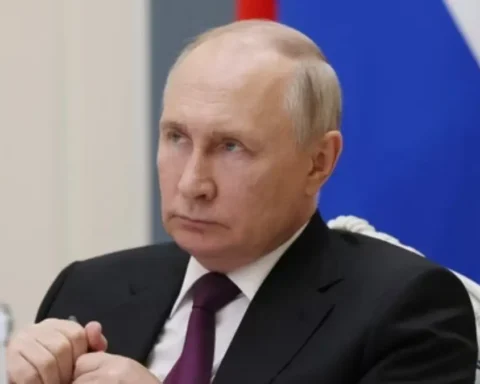
Iranian President Masoud Pezeshkian has apologised to neighbouring countries affected by recent Iranian missile strikes, saying Tehran does not intend to target regional states unless attacks against Iran are launched from their territory.
Speaking in remarks broadcast on state television, the president said Iran regrets that some neighbouring countries were affected during the ongoing military confrontation in the Middle East. He stressed that Iran’s conflict is not directed at its regional neighbours but at what Tehran describes as external threats against its sovereignty.
“I apologise to neighbouring countries that were struck during recent operations,” Pezeshkian said, adding that Iran’s leadership has instructed the military not to launch attacks on nearby nations unless Iranian territory is first targeted from those locations.
The statement comes at a time of heightened tensions following a series of military exchanges involving Iran, Israel and the United States. The confrontation intensified after airstrikes hit several sites inside Iran, prompting Tehran to respond with missile and drone attacks against targets it says are linked to its adversaries.
In recent days, some of those retaliatory strikes have reportedly reached areas in Gulf countries where foreign military bases are located. The incidents raised alarm among governments across the region and increased fears that the conflict could spread beyond the immediate parties involved.
Analysts say Pezeshkian’s remarks appear aimed at calming regional concerns and preventing the situation from escalating into a broader regional war. Several countries in the Gulf maintain close economic and security ties with global powers while also sharing geographic proximity with Iran, making them particularly sensitive to rising military tensions.
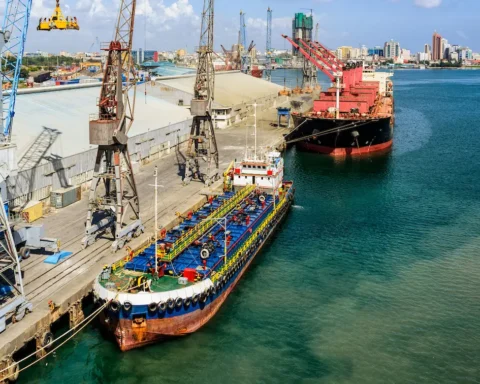
The Strait of Hormuz, a narrow waterway between Iran and the Arabian Peninsula, has also drawn attention as the conflict continues. The strategic passage is one of the world’s most important shipping routes for oil and gas, meaning any instability in the area can have global economic consequences.
Despite the apology, the wider confrontation between Iran and its rivals remains unresolved. Military exchanges have continued in recent days, while diplomatic efforts aimed at easing tensions have yet to produce a breakthrough.
International observers warn that the situation remains fragile. Even limited strikes can trigger wider escalation if additional countries become directly involved in the conflict.
Regional governments have therefore called for restraint from all sides, urging diplomacy to prevent the crisis from spreading further across the Middle East.
For Iran, the president’s message appears designed to reassure neighbouring states that Tehran does not seek to widen the war. However, with military operations still ongoing and tensions running high, the coming days may prove critical in determining whether the region moves toward further confrontation or a path toward de-escalation.