MWE Correspondent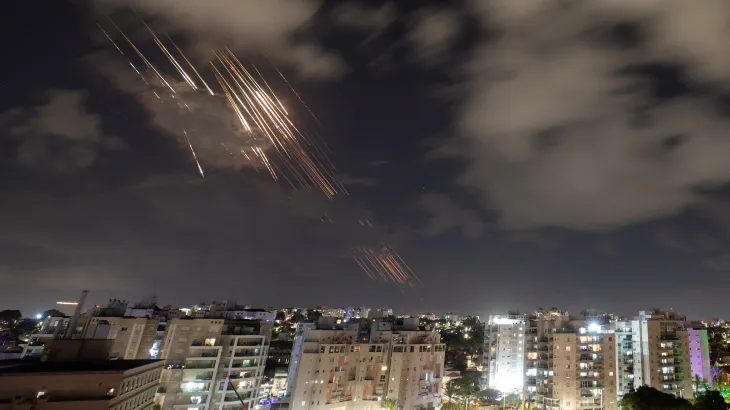
Tensions in the Middle East rose sharply on Thursday morning after Iran launched a new wave of missiles toward Israel, targeting the major coastal city of Tel Aviv while explosions were also reported near Jerusalem.
The latest exchange of attacks highlights the rapidly escalating confrontation between the two long-standing regional rivals and raises fears that the conflict could widen further across the region.
Residents across several Israeli cities were awakened by the sound of air-raid sirens as defense systems moved quickly to intercept incoming missiles. Authorities reported that several projectiles were aimed at Tel Aviv, Israel’s economic and cultural hub, forcing thousands of residents to rush into shelters during the early hours of the morning. Explosions were also heard near Jerusalem, though initial reports suggested that many of the missiles had been intercepted by Israel’s advanced air defense systems.
Israeli emergency services said they were assessing possible damage and monitoring potential casualties as security officials worked to determine the full impact of the strikes. Military authorities confirmed that defensive operations remained active as the country prepared for the possibility of additional missile launches.
The latest missile barrage came as Israel, with support from the United States, continued carrying out strikes on targets inside Iran. According to security analysts, the attacks are believed to focus on military installations and strategic infrastructure linked to Iran’s defense capabilities.
Also Read; Does This Trial Mark the End of Tundu Lissu’s Political Journey
Iranian authorities say the strikes have caused significant casualties, with reports indicating that more than one thousand people may have been killed since the escalation began. However, independent confirmation of those figures remains difficult due to restricted access to affected areas.
United States President Donald Trump said Washington and Israel were making progress in their military operations. Speaking to reporters, he stated that joint efforts were achieving results, although he did not provide specific details about the targets involved or the broader strategy behind the operations.
Iranian officials, on the other hand, have described the missile attacks as a direct response to what they call aggression against their territory. Leaders in Tehran have repeatedly warned that continued strikes by Israel and its allies would trigger further retaliation.
The confrontation reflects a long history of tension between Iran and Israel, which has shaped political dynamics in the Middle East for decades. Although the two countries have rarely engaged in open warfare, they have frequently accused each other of covert operations, cyber activities, and proxy conflicts throughout the region.
Security experts warn that the current escalation carries greater risks than many previous confrontations. With missiles now being exchanged directly and military operations expanding, analysts fear the conflict could draw in additional actors and destabilize a broader part of the Middle East.
Governments and international organizations around the world are closely monitoring developments. Several diplomatic voices have called for restraint, urging both sides to avoid further escalation that could lead to a prolonged regional conflict.
For civilians on both sides, the situation has created an atmosphere of uncertainty. In Israel, residents remain alert to the possibility of additional missile warnings, while communities in parts of Iran are dealing with the aftermath of ongoing airstrikes.
. The direction the crisis takes—whether toward deeper conflict or renewed diplomatic efforts—may depend largely on decisions made by leaders in the region and their international partners.