MWE Correspondent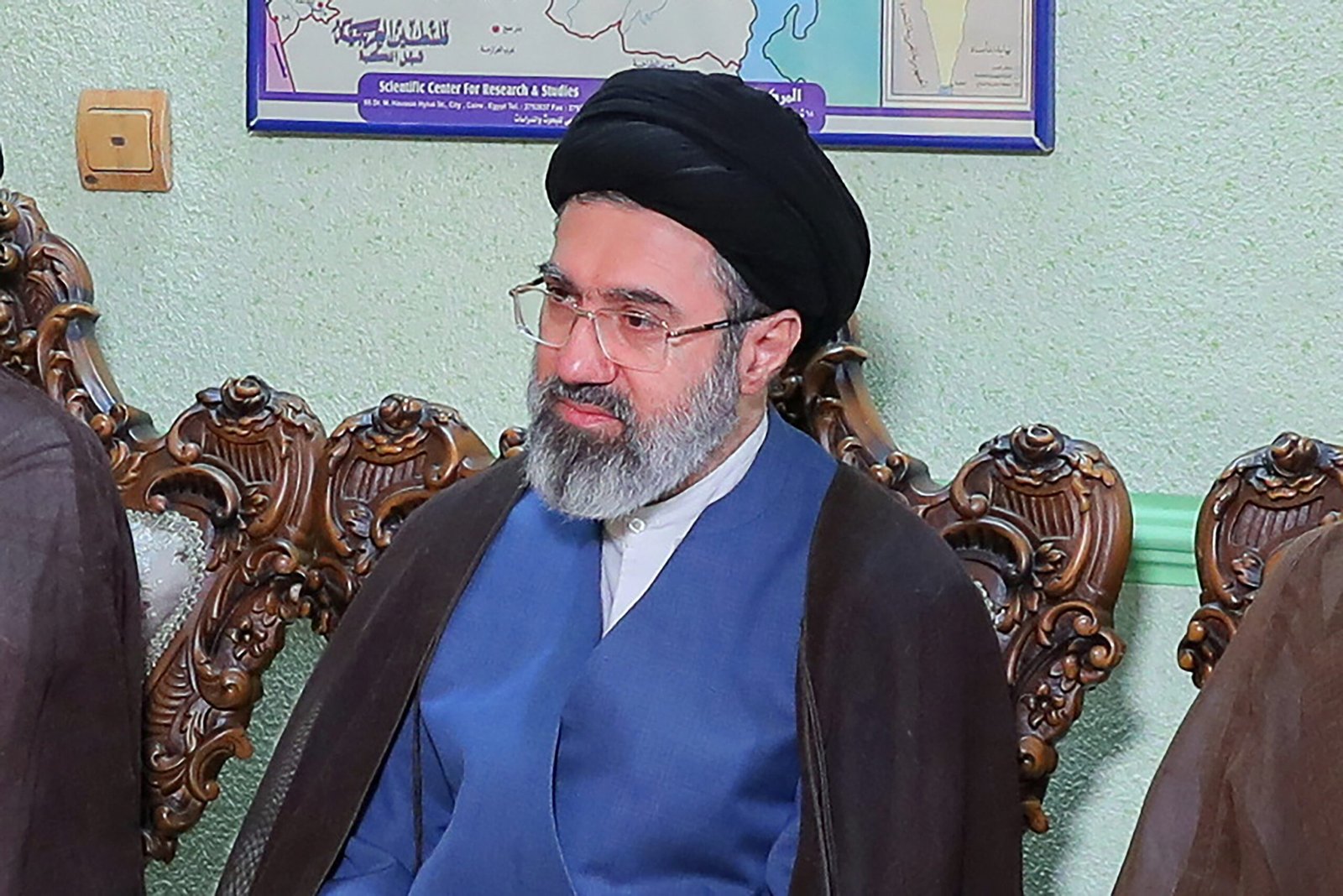
The political landscape in Iran has shifted dramatically following the reported death of longtime leader Ali Khamenei, with the country’s powerful clerical establishment selecting his son, Mojtaba Khamenei, as the new Supreme Leader.
The decision was made by the influential Assembly of Experts, a body of senior Islamic clerics tasked with choosing and overseeing the country’s highest religious and political authority. According to reports from Iranian sources, the council reached the decision after urgent deliberations triggered by the sudden leadership vacuum created by Khamenei’s death.
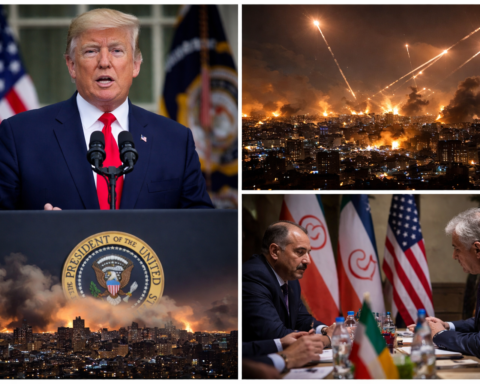
Iran has been facing one of the most tense moments in its modern history, as regional tensions continue to rise following military strikes linked to the growing confrontation involving the United States, Israel and Iran. The killing of the veteran leader sent shockwaves through the country’s political system and forced clerical authorities to move quickly to ensure continuity of leadership.
Mojtaba Khamenei has long been regarded as a powerful but discreet figure within Iran’s political structure. Although he rarely appeared in public or held major elected office, analysts say he built strong influence behind the scenes through close ties with key religious figures and security institutions. His connections within the country’s military establishment and conservative religious networks are believed to have played a major role in securing his elevation to the top position.
The position of Supreme Leader holds enormous authority in Iran. Under the system created after the Iranian Revolution, the Supreme Leader stands above all other political institutions, with ultimate influence over the military, judiciary, media and the country’s overall strategic direction. This means the person occupying the office shapes not only domestic policy but also Iran’s foreign relations and security strategy.
Also Read; Iran Rejects Surrender As Regional Strikes Intensify
The selection of Mojtaba Khamenei marks a controversial moment in the history of the Islamic Republic. Critics have pointed out that the transition from father to son resembles a dynastic succession, something that many believe contradicts the revolutionary ideals that ended Iran’s monarchy decades ago. Supporters, however, argue that his familiarity with the country’s power structure could help maintain stability during a highly volatile period.
International observers are watching closely to see how Iran’s policies might evolve under the new leadership. Relations between Iran and Western countries have been strained for years over issues including regional security, nuclear development and military influence in the Middle East. The appointment of a leader widely seen as aligned with conservative factions may shape how these tensions unfold in the coming months.
For many Iranians, the immediate concern is stability. The country now faces a delicate moment in which leadership, security and regional diplomacy are all deeply intertwined.