MWE Correspondent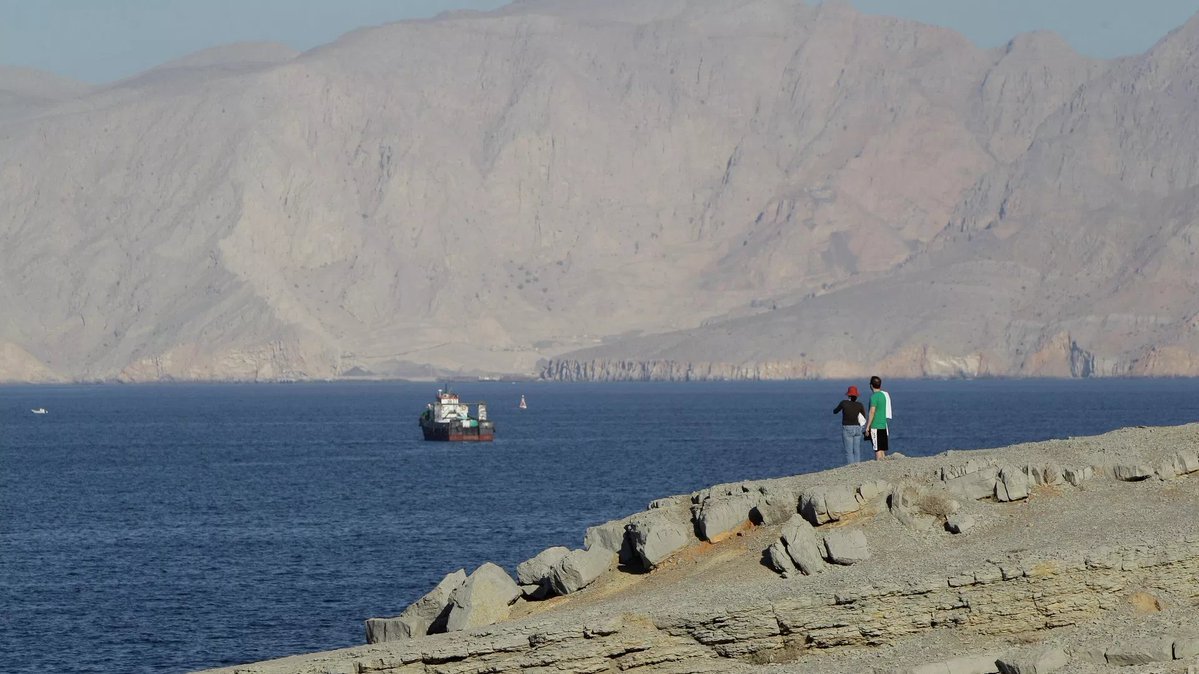
Iran and Oman have reached an agreement on the geographical coordinates of designated safe transit routes through the Strait of Hormuz, a development that could help improve maritime navigation through one of the world’s most strategically important waterways.
Iranian Foreign Ministry spokesman Esmaeil Baghaei said the two countries had also agreed on how the coordinates would be communicated and registered with the relevant international maritime body. His remarks were reported by Iran’s Tasnim News Agency on Thursday.
The agreement comes as commercial shipping through the Strait of Hormuz remains under severe pressure following months of conflict and attacks involving vessels in and around the waterway. The strait is a critical energy corridor connecting the Persian Gulf with the Gulf of Oman and the wider Indian Ocean.
Baghaei said Tehran had clearly communicated its conditions for ending the conflict and restoring security in the Persian Gulf and Strait of Hormuz. He added that Iran’s response to proposals from the other side would be delivered through intermediaries, indicating that diplomatic channels remain active alongside the maritime discussions.
The safe-route agreement builds on earlier Iranian-Omani discussions aimed at restoring navigation. In August, Oman said the two countries were working toward a temporary joint navigational corridor, followed by negotiations over a permanent corridor, information-sharing, traffic management and maritime security arrangements.
Read More: Pentagon Orders CENTCOM to Prepare for Possible Iran Strikes
The development is particularly significant because shipping activity through Hormuz has fallen sharply. Reuters reported on October 8 that only seven commodity vessels crossed the strait on October 6, the lowest number recorded since July 23. Crude oil flows through the waterway had also fallen to about 10.1 million barrels per day, roughly 74% of the pre-war level.
The decline follows a rise in attacks and other security incidents involving tankers. Reuters reported that at least 12 incidents involving attacks, attempted attacks or harassment of tankers were recorded between September 28 and October 5, making it the most dangerous week for tanker traffic since the conflict began.
Iran has simultaneously maintained that the Strait of Hormuz will not return to normal operation until conditions outlined in an earlier understanding with the United States are fulfilled. Iranian officials have said the focus of current discussions is restoring security and navigation in the waterway, while Tehran’s broader negotiations with Washington continue through intermediaries.
The agreement with Oman could therefore provide an important practical mechanism for managing ship movements even as the wider political and military dispute remains unresolved. The International Maritime Organization’s current framework also places operational routing responsibilities on Iran and Oman for the northern and southern routes respectively, with vessels required to coordinate with the relevant coastal authorities before transit.
The stakes extend far beyond the two countries. The Strait of Hormuz normally carries a significant share of global oil and liquefied natural gas shipments, meaning prolonged disruption can affect fuel supplies, shipping costs and energy markets worldwide.
Recent data shows that Gulf producers have partly compensated for reduced Hormuz traffic by increasing exports through alternative routes, including the Red Sea and Gulf of Oman. But analysts continue to warn that attacks, logistical difficulties and security risks could make the recovery difficult to sustain.
The Iran-Oman arrangement therefore represents both a maritime and diplomatic development. While it does not by itself resolve the wider conflict, establishing agreed transit corridors could reduce uncertainty for commercial vessels and create another channel for regional cooperation at a time when security around the Strait of Hormuz remains highly fragile.