MWE Correspondent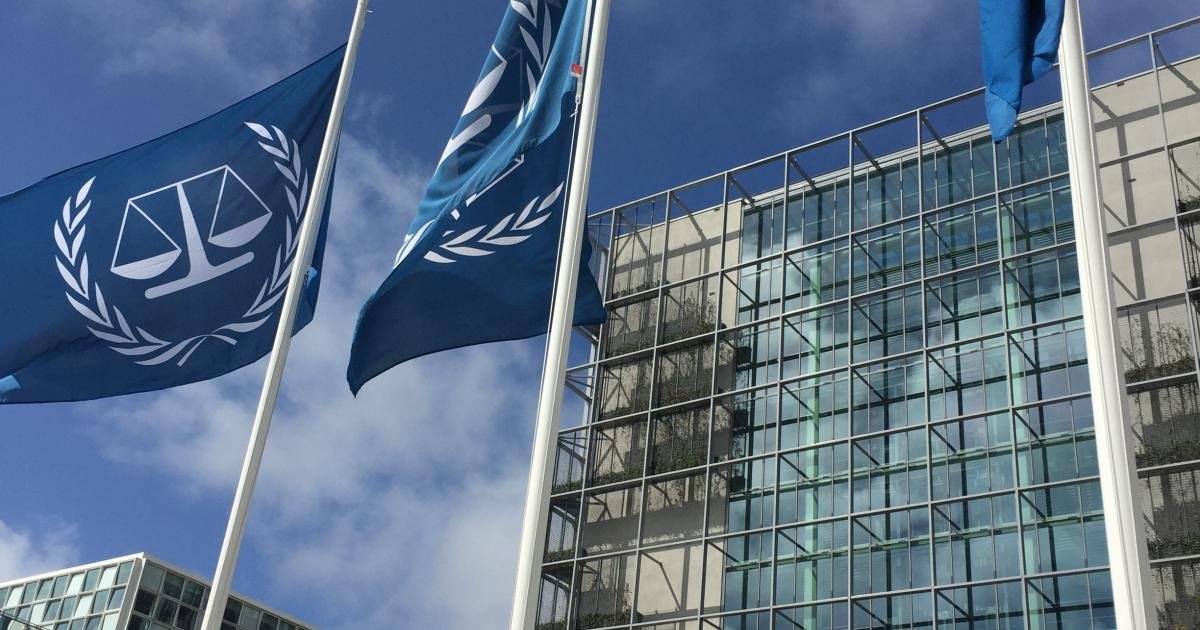
The International Criminal Court (ICC) continues to face scrutiny over its actions in Africa, as debates intensify regarding accusations of bias, selective justice, and geopolitical influence.
Critics argue that while the court’s mandate is to prosecute crimes against humanity, war crimes, and genocide, its focus has disproportionately targeted African leaders, raising questions about fairness and sovereignty.
Recent high-profile cases in Uganda, the Democratic Republic of the Congo, and the Central African Republic have brought attention to these concerns. African nations and civil society organizations are increasingly demanding reforms to ensure that international justice respects the autonomy of national legal systems while protecting victims’ rights. Many leaders assert that perceived neo-imperial judicial influence undermines confidence in the court and hampers Africa’s ability to resolve disputes internally.
Legal analysts emphasize that the ICC plays a crucial role in maintaining accountability, particularly where national courts are unable or unwilling to prosecute serious crimes. However, the court’s challenges are compounded by political pressure from powerful states, complex jurisdictional issues, and resource constraints. These factors often limit the ICC’s ability to act uniformly, fueling perceptions of selective enforcement.
African countries are exploring strategies to strengthen their legal sovereignty and reduce dependence on external judicial oversight. This includes bolstering national judicial capacities, ratifying protocols to streamline international cooperation, and creating regional frameworks for accountability. For example, the African Union has advocated for complementary systems that allow continental courts to handle cases while respecting international law principles.
Also Read; African Nations Explore Debt Restructuring Beyond IMF
In addition to legal reforms, there is a growing movement to encourage transparency and community engagement in justice processes. Human rights organizations argue that meaningful participation by local populations enhances legitimacy and prevents the alienation of communities affected by conflict. Initiatives that integrate victims’ voices and provide reparations are increasingly seen as essential components of justice in Africa.
Meanwhile, the ICC is adapting to evolving geopolitical realities. In 2026, the court has opened preliminary investigations into emerging conflicts in West Africa and the Sahel region, reflecting a renewed commitment to global justice. Observers note that balancing impartial prosecution with respect for state sovereignty remains a delicate and ongoing challenge.
Experts also stress the importance of collaboration between African nations and international actors. By engaging diplomatically, sharing intelligence, and harmonizing legal standards, African states can influence how the ICC prioritizes cases, ensuring that justice serves both local and global interests. Effective cooperation can also help prevent accusations of bias and reinforce the credibility of international legal institutions.
Ultimately, the debate over the ICC in Africa reflects a broader tension between global governance and national autonomy. African leaders, legal experts, and civil society continue to push for a justice framework that is equitable, transparent, and accountable — one that upholds human rights while respecting the continent’s sovereignty.ry