MWE Correspondent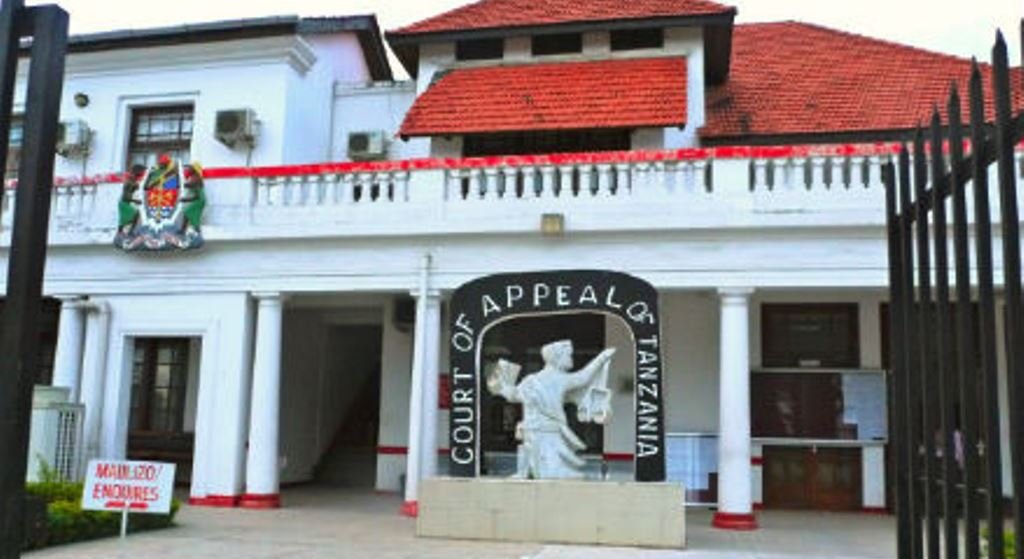
The High Court of Tanzania is set to hear a high-profile legal challenge today, Wednesday, 10 December 2025, questioning the appointment of a government commission tasked with investigating post-election unrest.
The petition was filed by prominent activist Rosemary Mwakitwange and two co-petitioners, lawyers Deogratias Mahinyila and Edward Heche, against the Attorney General, eight members of the commission, and the Tanganyika Law Society (TLS). The matter will be mentioned before Judge Hussein Salum Mtembwa.
The petition disputes the formation of the commission led by retired Chief Justice Mohamed Chande Othman. According to the petitioners, the commission was established without sufficient legal authority, lacks independence, and was created with alleged malicious intent. They also contend that its structure, selection process, and mandate undermine its credibility, raising serious concerns about its ability to conduct impartial investigations.
The commission was formed by the government following widespread unrest that erupted after the 29 October 2025 general elections. These events saw protests, violence, property destruction, and allegations of human rights violations across multiple regions. The commission’s official mandate includes investigating the causes of the disturbances, documenting evidence, interviewing witnesses, and recommending measures for accountability, reconciliation, and reforms.
Also Read; Tanzania Urged To Celebrate Independence Safely At Home
The petitioners argue that the commission cannot perform its duties fairly under its current framework. They claim that the appointment process was rushed, lacked transparency, and was inconsistent with existing legal provisions. As a result, they have requested the High Court to annul the appointment and prevent the commission from undertaking any investigatory steps until these concerns are addressed.
Legal analysts note that the case carries significant implications. A ruling in favor of the petitioners could halt or restructure the commission’s operations, potentially delaying the investigation into the October unrest. It may also set a precedent for how future commissions are appointed, reinforcing the importance of transparency, due process, and adherence to the rule of law in Tanzania.
Observers also highlight the wider political context. The 2025 post-election period has been marked by heightened tension, with opposition groups and civil society raising concerns over the handling of protests and allegations of rights violations. The outcome of this legal challenge will likely influence public confidence in government institutions and their ability to manage sensitive national matters impartially.