 Hassan Magulumali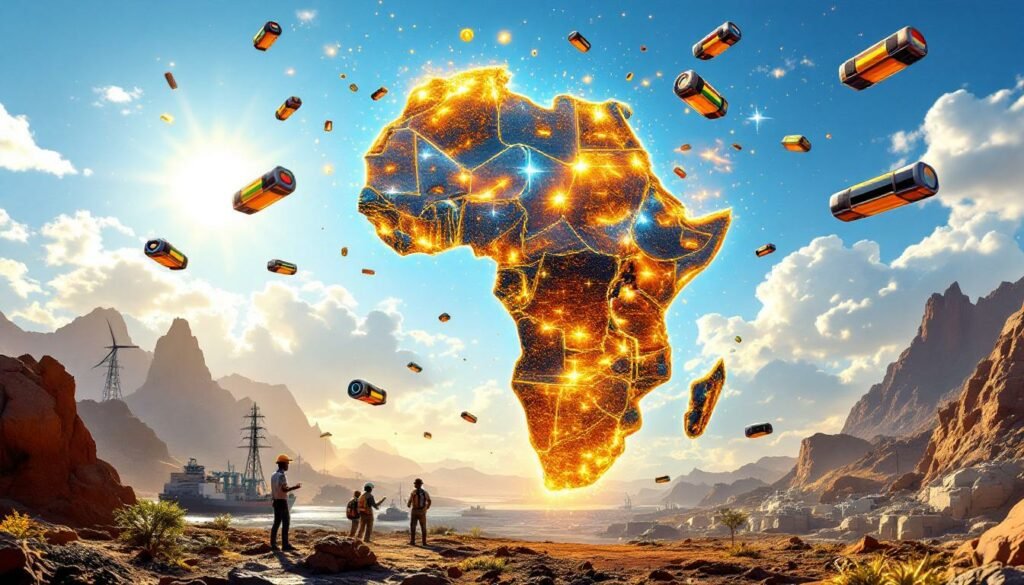
Competition between Western countries and China over rare earth minerals, critical metals, and energy resources in Africa is accelerating, as global demand for materials needed in clean energy, advanced technology, and defense systems continues to surge.
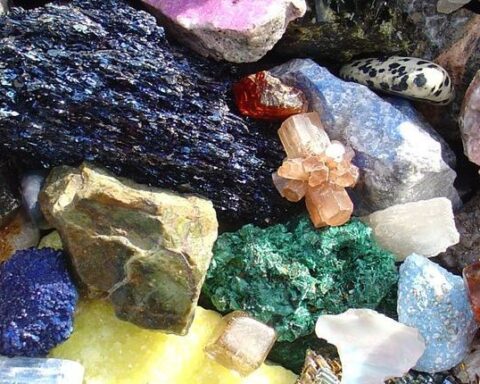
Across the continent, governments are witnessing a sharp rise in foreign interest in deposits of cobalt, lithium, copper, graphite, nickel, and rare earth elements minerals considered essential for electric vehicles, battery storage, solar panels, wind turbines, and high-tech manufacturing. The growing scramble has placed Africa at the center of a strategic resource contest shaping new geopolitical alignments.
China has established an early and extensive footprint in African mining over the past two decades. Chinese state-backed and private firms have acquired major stakes in mining operations in countries including the Democratic Republic of Congo, Zambia, Zimbabwe, Guinea, and Namibia. In several cases, Chinese companies are not only extracting minerals but also financing railways, roads, power systems, and processing facilities linked to mining zones.
Industry analysts say China’s advantage lies in its control of downstream processing and refining capacity, where many raw African minerals are converted into battery-grade and industrial inputs. This vertical integration has allowed Chinese firms to secure long-term supply chains tied to their domestic manufacturing sector.
Western countries are now expanding counter-strategies aimed at diversifying supply sources and reducing dependence on Chinese-controlled mineral flows. The United States, European Union, and allied partners have launched new financing programs, strategic partnerships, and public-private investment platforms targeting African mining and energy projects.
Several Western-backed initiatives focus on securing equity stakes in mines, supporting transparent licensing systems, and promoting in-country value addition through local processing and refining. Officials say the approach is designed to create more balanced supply chains while aligning with governance and environmental standards.
Also Read: Burkina Faso Gold Output Hits Record
The competition extends beyond mining into the broader energy sector. Foreign investors are increasing their presence in African natural gas, renewable energy, and grid expansion projects, viewing them as both commercial opportunities and strategic assets tied to future energy security.
African governments are responding by renegotiating contracts, revising mining codes, and pushing for greater national participation in extractive industries. Some countries are introducing local content requirements and state mining companies to capture more revenue and technical capacity from foreign partnerships.
Policy experts warn that without coordinated regulatory frameworks and regional cooperation, African producers risk remaining exporters of raw materials while higher-value processing and manufacturing continue offshore. However, they also note that rising geopolitical competition gives African states greater bargaining leverage than in past commodity cycles.
Regional blocs and national authorities are increasingly emphasizing beneficiation the local processing of minerals and the development of industrial corridors linked to mining zones. Infrastructure, technology transfer, and skills development are emerging as key negotiation points in new resource agreements.
As the global energy transition accelerates, demand for Africa’s critical minerals is expected to grow further, ensuring that competition among major powers for access, influence, and supply security will remain intense in the years ahead.