MWE Correspondent
A group of 22 doctors from the Democratic Republic of the Congo (DRC) practising in Kenya has filed a legal challenge in the High Court of Kenya, seeking to overturn a government directive that halted the issuance of new work permits for foreign medical professionals. The doctors argue that the policy, issued by Health Cabinet Secretary Aden Duale, unfairly targets expatriate healthcare workers and contravenes regional employment agreements.
In their petition filed earlier this week, the doctors contend that the directive undermines their right to work and is inconsistent with established rules governing labour mobility within the East African Community (EAC). The EAC framework, which includes Kenya, Uganda, Tanzania, Rwanda, Burundi and South Sudan, promotes the free movement of workers and mutual recognition of professional qualifications among partner states.
The lead petitioner, Dr. Georges Maloba Banza, told the court that the government’s move effectively bars highly trained specialists from contributing to Kenya’s health sector at a time when the country continues to struggle with critical shortages of medical staff. “Our practice in Kenya has been lawful and in line with existing regulations. The sudden suspension of new work permits not only jeopardises our livelihoods but also risks weakening healthcare delivery in areas that depend on our services,” Dr. Maloba said in an affidavit.
Health Cabinet Secretary Aden Duale announced the freeze on new work permits for foreign doctors earlier this month, explaining that the measure was aimed at protecting employment opportunities for Kenyan nationals. “The objective is to prioritise jobs for our citizens, particularly in sectors where there is high unemployment,” Duale said in a public statement. However, he also expressed willingness to engage stakeholders to ensure that essential services do not suffer.
Kenya, like many countries in sub‑Saharan Africa, faces persistent challenges within its health workforce. A shortage of doctors, nurses and specialists has long been recognised as a barrier to achieving universal health coverage, particularly in rural and underserved regions. According to data from the World Health Organization, sub‑Saharan Africa bears a disproportionate share of global disease burden yet operates with a fraction of the trained health professionals found in wealthier nations.
Also Read; China Urges Diplomacy, Rejects Foreign Interference Pressure
Industry experts say that expatriate medical professionals have historically played an important role in filling gaps within Kenya’s health system, providing essential services in both public hospitals and private facilities. Supporters of the Congolese doctors’ legal challenge argue that the blanket suspension of work permits ignores the nuanced realities of healthcare delivery and could exacerbate existing staffing shortfalls.
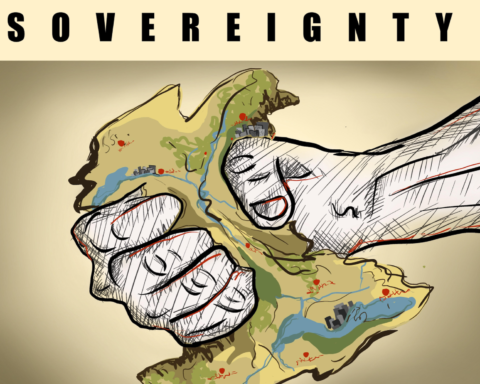
The doctors’ petition also highlights the potential legal conflict between national labour policies and regional integration commitments under the EAC. While sovereign states have authority to regulate employment within their borders, regional agreements obligate member states to facilitate free movement of workers and harmonise professional standards. Legal analysts note that a court ruling in favour of the doctors could set a precedent affecting how other member states balance national employment priorities with regional labour mobility.
Civil society and medical associations have weighed in on the debate, with some expressing concern that restrictive work permit policies may discourage foreign professionals from seeking opportunities in Kenya, ultimately impacting patient care. Others, however, support the government’s goal of strengthening local workforce participation, arguing that long‑term solutions should focus on training and retaining more domestic health professionals.
The case is now before the High Court, where both sides are expected to present evidence on the legal and policy implications of the permit suspension. Observers say the ruling could have far‑reaching implications for regional labour mobility, healthcare capacity and the interpretation of EAC commitments in member states.