MWE Correspondent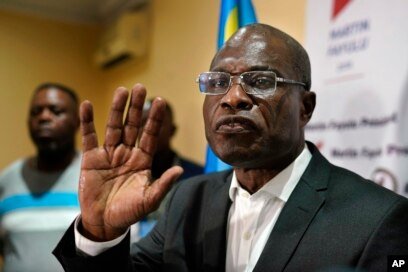
Opposition leader Martin Fayulu has renewed his call for an inclusive national dialogue in the Democratic Republic of the Congo, warning that the country is facing one of the most serious political and security crises in its recent history.
Speaking in a New Year address to Congolese citizens at home and abroad, Fayulu urged political leaders, civil society, faith groups, and the wider public to come together in frank discussions aimed at restoring national cohesion and democratic legitimacy.
In his message, Fayulu argued that persistent instability, contested governance, and ongoing insecurity in parts of the country have deepened public frustration and eroded trust in state institutions. He maintained that only a broad-based and inclusive dialogue could offer a credible pathway out of the current impasse, stressing that such talks must be nationally owned and not driven by narrow political interests.
The opposition figure also criticized what he described as the government’s unilateral approach to key international agreements, singling out a deal concluded in Washington. According to Fayulu, the agreement was signed without adequate consultation with the Congolese people or their representatives, raising concerns about transparency, sovereignty, and accountability. He warned that decisions of such magnitude, particularly those touching on national resources and security, risk undermining public confidence when they are taken behind closed doors.
Fayulu’s remarks come at a time when the DRC continues to grapple with multiple challenges, including armed violence in the eastern provinces, economic pressures, and lingering political tensions following recent electoral cycles. Analysts note that calls for national dialogue are not new in Congo’s political history, but they have often resurfaced during moments of heightened uncertainty, reflecting deep-rooted questions about governance and inclusion.
Also Read; Dangote Deepens Dispute With Nigeria Fuel Regulators
In his address, Fayulu appealed directly to the conscience of national leaders, urging them to place the country’s long-term stability above short-term political calculations. He emphasized that dialogue should not be seen as a sign of weakness, but rather as a responsible and time-tested means of resolving complex national disputes. Drawing on Congo’s past experiences, he argued that sustainable peace and development can only be achieved when citizens feel heard and respected.
The government has not immediately responded to Fayulu’s latest comments, though officials in the past have defended their diplomatic engagements as necessary for regional stability and economic progress. Supporters of the administration have argued that international partnerships are essential for addressing security threats and attracting investment, while critics counter that such efforts must be grounded in broad national consensus.
Observers say the coming months will be critical in determining whether calls for inclusive dialogue gain traction or remain part of the political rhetoric. Regional bodies such as the African Union and faith-based organizations have previously encouraged Congolese leaders to prioritize dialogue and reconciliation, particularly during periods of political strain.
As the new year unfolds, Fayulu urged Congolese citizens to remain vigilant, peaceful, and committed to the pursuit of a democratic and united nation. Whether his appeal will translate into concrete talks remains uncertain, but it has once again placed the question of inclusive national dialogue at the center of Congo’s political debate.