Joseph Isangura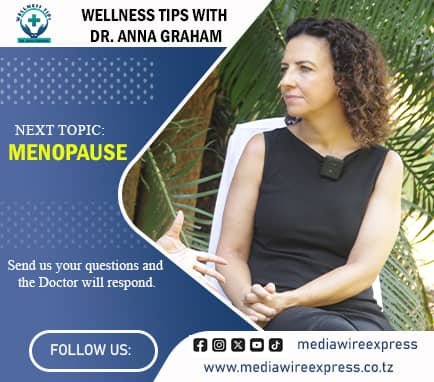
Menopause, a natural transition experienced by all women, marks the end of reproductive capability, yet it remains widely misunderstood. In an-depth health conversation, In an exclusive interview with Media Wire Express for their health magazine program “Wellness Tips,” hosted by Mariilyn Badoo, Dr. Anna Graham, a women’s health specialist at CCBRT Hospital,
Dr. Anna Graham, , offered comprehensive insight into the biological process, its symptoms, its long-term impact on women’s health, and the options available for treatment.
Dr. Graham explains that menopause typically occurs around the age of 51, although anything between 45 and 55 is considered normal. The diagnosis is always made retrospectively—after a woman experiences a full year without menstrual periods. While natural menopause follows the body’s hormonal ageing process, conditions requiring removal of the ovaries, such as ovarian cancer, can trigger what is known as surgical menopause.
She further distinguished menopause from perimenopause, the transitional phase when hormonal fluctuations begin and menstrual cycles become irregular. During this period, estrogen and progesterone levels rise and fall unpredictably, leading to emotional and physical symptoms that can significantly disrupt daily life.
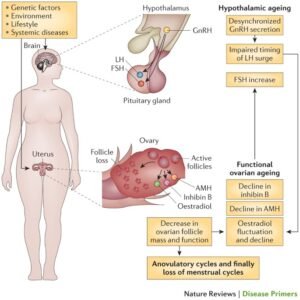
The symptoms, Dr. Graham noted, span several categories. Physical effects include hot flushes, night sweats, joint pains, dry skin, and hair changes—conditions tied directly to declining estrogen levels. Psychological challenges often involve heightened anxiety, mood swings, reduced confidence, and difficulty concentrating, commonly referred to as “brain fog.” Other symptoms manifest in the genitourinary system, such as vaginal dryness and recurrent urinary tract infections. Sexual health may also be affected due to reduced libido and discomfort during intercourse.
Beyond symptoms, long-term risks connected to declining estrogen are significant. The hormone plays a key role in protecting bone density and heart health. With estrogen reduction, women become more susceptible to osteoporosis, cardiovascular disease, and potentially cognitive changes—areas researchers continue to study.
Dr. Graham emphasised that lifestyle adjustments are a first-line approach. Regular physical activity, a balanced diet, weight management, social engagement, and stress reduction all contribute to supporting mental and physical well-being during the menopausal transition. However, many women benefit from medical support as well.
Also Read; UN Rights Chief Stresses Everyday Importance of Human Rights
Hormone Replacement Therapy (HRT) remains the most effective treatment for relieving symptoms. It involves replacing declining levels of estrogen and progesterone through tablets, patches, gels, or topical creams. Some forms of HRT, especially transdermal options, offer lower risks of blood clots than traditional oral tablets. Still, the treatment must be tailored carefully, especially for women with a history of breast cancer or other contraindications. The connection between estrogen and breast cancer risk remains a key concern, although Dr. Graham noted that the increased risk is small and dose-dependent.
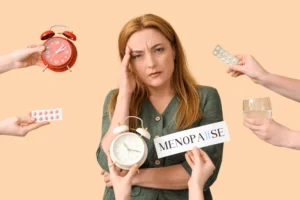
For women unable or unwilling to use hormonal therapy, non-hormonal treatments—including certain antidepressants or medications such as clonidine—can offer limited relief. Yet, Dr. Graham stressed that no single approach fits all. A personalised, holistic evaluation ensures women receive the right combination of care, especially considering the emotional and logistical pressures many face in midlife, from caregiving to demanding careers.
While the journey through menopause differs for every woman—some experiencing minimal discomfort, others facing severe disruption—Dr. Graham highlighted the importance of open conversation, support systems, and professional guidance. She emphasised that understanding menopause can empower women to manage it confidently and safeguard long-term health, especially concerning cardiovascular disease.