MWE Correspondent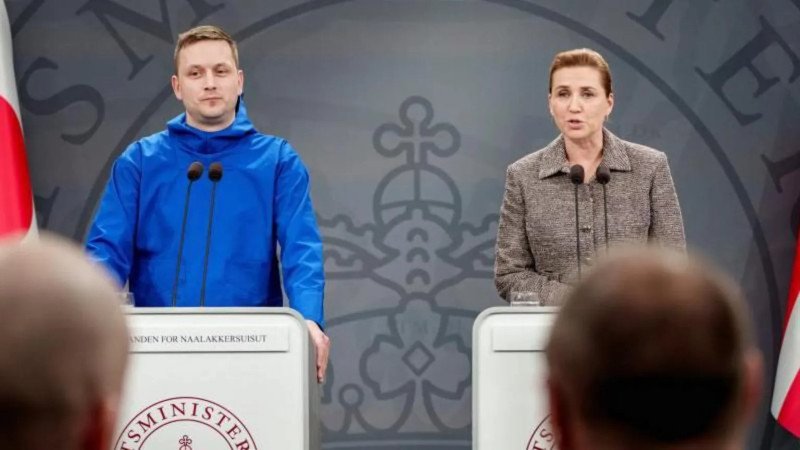
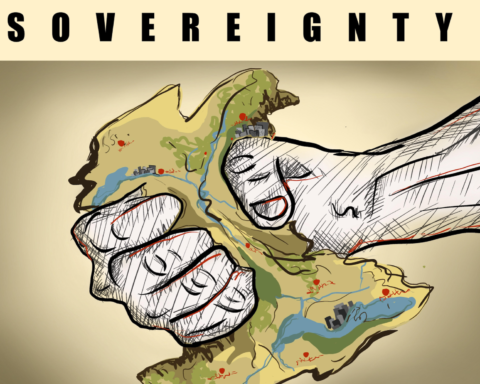
Denmark has moved to firmly restate its position on Greenland after renewed remarks from U.S. President Donald Trump suggesting the strategically important Arctic territory could be taken by force.
Speaking after fresh diplomatic talks, Danish Foreign Minister Lars Løkke Rasmussen said Copenhagen remains deeply at odds with Washington on the issue and will not compromise on questions of sovereignty.
Rasmussen’s comments came only hours after meetings involving Danish officials, representatives from Greenland, and a delegation from the United States. While the talks were described as frank and constructive, the foreign minister made it clear that they did not resolve the fundamental disagreement. He emphasized that Greenland is not a bargaining chip and that any discussion about its future must respect international law and the wishes of the Greenlandic people.
Greenland, an autonomous territory within the Kingdom of Denmark, has gained increasing global attention in recent years due to its location and natural resources. As climate change accelerates ice melt in the Arctic, new shipping routes and access to minerals have drawn the interest of major powers. This has placed the island at the center of wider debates over Arctic geopolitics and long-term strategic competition.
President Trump’s statements have unsettled European allies, many of whom view the language as incompatible with the principles that underpin transatlantic relations. Danish officials argue that threats, even rhetorical ones, undermine trust and risk destabilizing a region traditionally governed by cooperation. The dispute has also fueled unease within NATO, where unity and mutual respect are seen as essential at a time of mounting global security challenges.
Also Read; Africa Bears Climate Burden Despite Minimal Global Emissions
Greenland’s own leaders have consistently rejected the idea of external control, stressing that the island’s future cannot be decided without the consent of its population. Over the years, Greenland has expanded its self-rule while maintaining close ties with Denmark, a relationship that Copenhagen says must be respected. Local authorities have repeatedly said that international interest should translate into investment and partnership, not pressure.
From Washington’s perspective, Greenland holds major strategic value, particularly in areas related to defense and Arctic security. The United States already operates military facilities on the island and considers the region vital to monitoring activity across the Arctic. Danish officials counter that this long-standing cooperation has functioned effectively for decades and does not justify confrontational rhetoric.
The disagreement has become a broader test of transatlantic relations, raising questions about how allies manage disputes over territory and influence. European diplomats warn that continued escalation could weaken collective efforts to address global challenges, from security threats to climate change.
As discussions continue, Denmark has signaled it will pursue diplomacy rather than confrontation. Rasmussen said dialogue remains open, but Copenhagen’s position is firm: Greenland’s status is not up for negotiation. With international attention focused on the Arctic, the outcome of this dispute will shape not only relations between Denmark and the United States, but also the future balance of power in the region linked to Greenland.