Joseph Isangura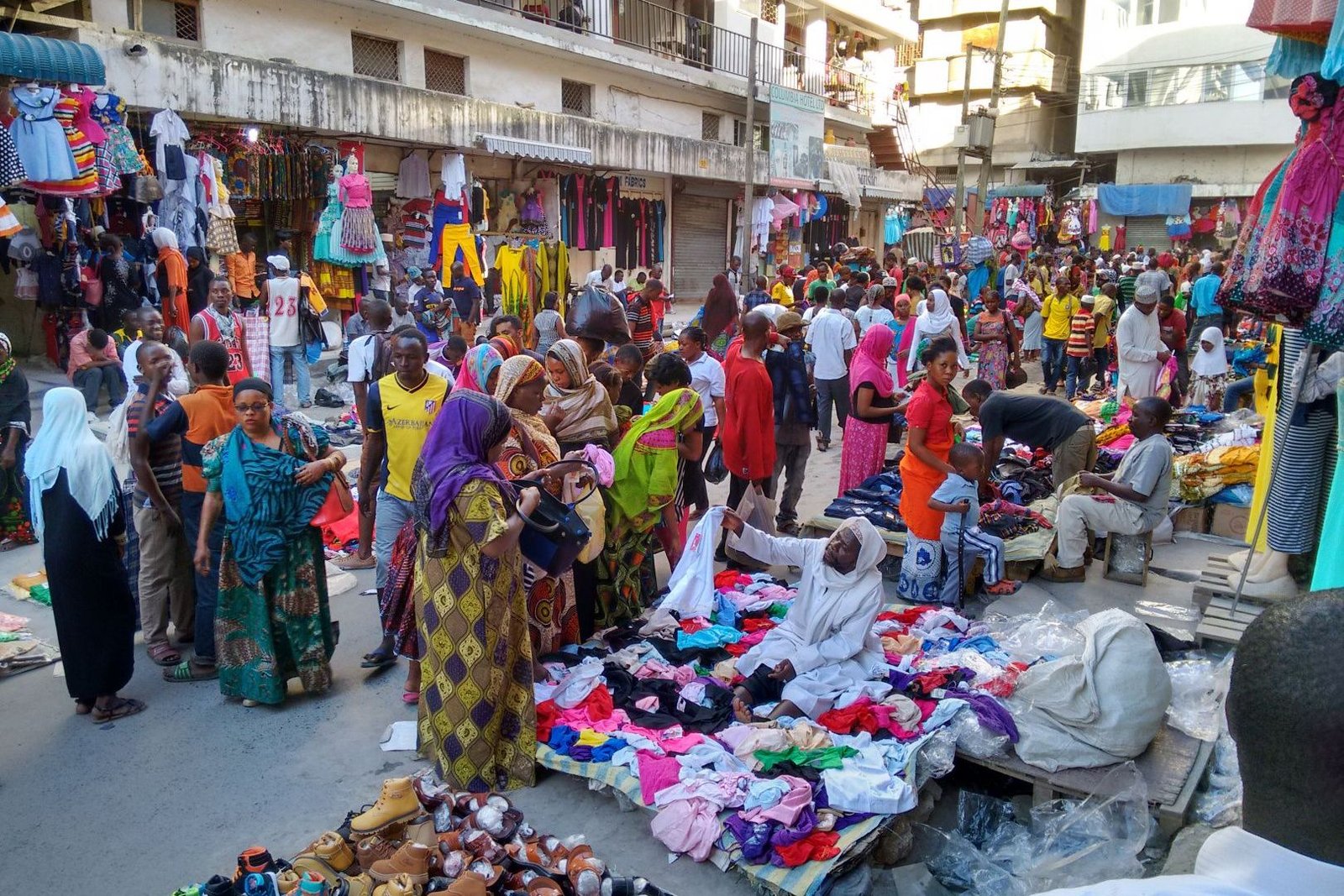
The Dar es Salaam City Council has launched a decisive operation to clear traders from unauthorized areas around Kariakoo, the city’s bustling commercial heart, in a move aimed at restoring traffic flow and public safety.
The initiative follows directives from Regional Commissioner of Dar es Salaam, Albert Chalamila, during the inauguration of the renovated Kariakoo Central Market.
Speaking at the event, which was attended by President Samia Suluhu Hassan, Chalamila stressed the importance of balancing urban development with accessibility. “It may not be a welcome step for all traders, but you cannot build a valuable structure while blocking the roads. Diplomacy will remain our first approach, but these routes must be clear for everyone,” he said.
On Tuesday, February 17, notices were posted across the market area, instructing traders occupying streets and pedestrian pathways to remove their goods immediately. Motorbike taxi and bajaji operators were also given guidance, with designated parking areas established and support from the City Director’s office for those without assigned stations.
Kariakoo, one of East Africa’s oldest and busiest markets, has long struggled with congestion. Established in the early 20th century, the market attracts thousands of daily visitors and serves as a hub for wholesale, retail, and food trade. Over the decades, informal street vending expanded into surrounding roads, creating safety hazards for pedestrians and vehicles alike.
Also Read; BRICS Expansion Reshapes Global Financial Landscape
Urban planning data indicates that street congestion around key markets contributes to nearly 35 percent of traffic delays during peak hours in Dar es Salaam. Previous attempts to relocate traders in 2019 and 2021 faced resistance due to limited alternative spaces, underscoring the need for well-structured market zones.
The City Council’s current campaign focuses on organizing trade areas, improving public amenities, and enforcing regulations while maintaining open dialogue with trader associations. Officials say the operation aims to reduce hazards, ensure smooth transportation, and enhance the overall shopping experience without disrupting livelihoods.
Residents and commuters have welcomed the initiative. “Walking through the market used to be chaotic, with goods spilling onto streets. Now it feels safer, and traffic flows better,” said one local. Traders, though cautious, expressed optimism that well-organized stalls and parking areas could attract more customers while reducing conflicts with traffic authorities.
Urban planners view the operation as part of a wider modernization effort, integrating traffic management, public safety, and commercial growth. The move positions Dar es Salaam as a leading example of orderly urban development in East Africa, demonstrating how cities can harmonize economic activity with civic infrastructure.