Joseph Isangura
Nigeria’s billionaire industrialist Aliko Dangote has sharpened his criticism of petroleum regulators, accusing them of allowing cheap fuel imports that he says threaten local refining, jobs and the country’s energy future.
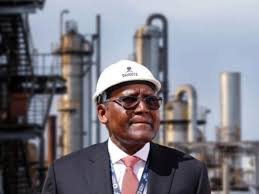
Speaking at his massive oil refinery near Lagos, Dangote warned that continued reliance on imported fuel could undo years of effort and investment aimed at building domestic refining capacity. Nigeria remains Africa’s largest oil producer, yet it still imports most of the fuel it consumes, a contradiction Dangote says must be urgently addressed.
According to Dangote, the inflow of imported petroleum products is weakening local industry and shifting economic benefits overseas. He argued that using imports to compete with domestic refineries discourages investment and slows industrial growth. “You don’t use imports to checkmate domestic potential,” he said, stressing that such policies create jobs abroad while Nigeria struggles to fully industrialise.
The refinery, capable of processing about 650,000 barrels of crude oil per day, was built to reduce Nigeria’s dependence on foreign fuel supplies and to support the wider petroleum industry in Nigeria. Dangote insists that if imports continue unchecked, they could undermine local production, threaten thousands of jobs and expose the country to future supply disruptions.
Dangote also called for an official inquiry into Farouk Ahmed, head of the Nigerian Midstream and Downstream Petroleum Regulatory Authority. He raised concerns about how the downstream sector is being managed and pointed to allegations that some private expenditures linked to the regulator go beyond legitimate earnings. While Dangote did not present evidence publicly, he said the issues deserved proper investigation in the interest of transparency.
Also Read; Mining Firm Highlights Commitment To Safer Tailings Systems
Ahmed did not immediately respond to the latest remarks. In previous statements, however, he has argued that the Dangote refinery alone cannot meet Nigeria’s fuel needs and has accused the facility of seeking to dominate the market. He has maintained that fuel imports remain necessary to prevent shortages and stabilise supply.
The dispute has reopened a long-running national debate over how best to balance imports with local refining. For years, Nigeria has struggled with limited refining capacity despite abundant crude oil reserves. Supporters of imports argue they help keep fuel prices stable, while advocates of local refining say over-reliance on foreign supply weakens the economy and drains foreign exchange.
Energy experts note that the standoff highlights deeper concerns around energy security. A system heavily dependent on imports can leave the country vulnerable to global price swings, supply chain disruptions and currency pressures. At the same time, sudden restrictions on imports without sufficient local supply could trigger shortages.