MWE Correspondent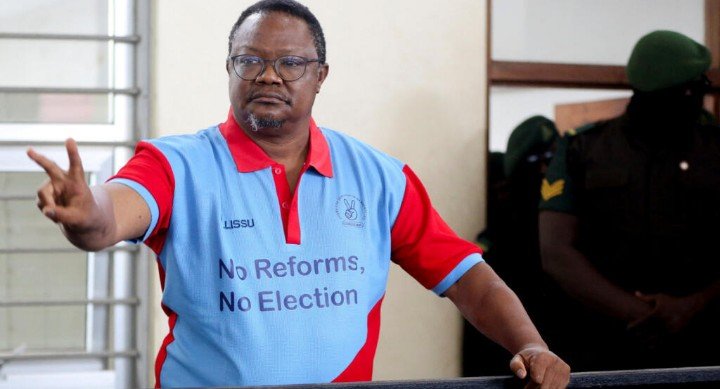
In a landmark decision on October 23, 2025, the High Court in Dar es Salaam ruled in favor of opposition leader Tundu Lissu, rejecting crucial video evidence presented by the prosecution in his ongoing treason trial.
The ruling represents a significant moment in the case, which has drawn intense scrutiny both nationally and internationally.
The case stems from allegations that Lissu, the national chairman of the CHADEMA party, incited rebellion through a speech delivered on April 3, 2025, in Dar es Salaam. Prosecutors claimed that a video, stored on a flash drive and memory card, captured Lissu making seditious statements during a meeting with election aspirants. They sought to admit the footage as evidence to substantiate their charges and demonstrate the supposed intent to undermine government authority.
Lissu’s defense challenged the admissibility of the video evidence, arguing that the prosecution’s witness did not have the legal authority or qualifications to present such exhibits in court. After careful review, the three-judge panel, led by Justice Dunstan Ndunguru, agreed with the defense. The court pointed out that the witness’s expertise was confined to photographic prints and enlargements, not video forensics, rendering the evidence legally insufficient.
Also Read: Tanzania Launches Trial at Mtwara Gas Plant
Following the ruling, the prosecution attempted to introduce an 11-page forensic report prepared by the same witness. Lissu’s legal team promptly objected, citing the same deficiencies identified by the court. As of now, the High Court has yet to issue a decision on whether the report will be admitted as evidence.
Legal analysts note that the rejection of the video evidence could critically weaken the prosecution’s case, which has heavily relied on the footage to support the treason charges. “This decision underscores the importance of proper legal procedures and expert qualifications in presenting digital evidence in court,” said one Tanzanian legal commentator.
Tundu Lissu, a prominent opposition figure and long-time critic of the ruling party, has faced multiple legal challenges in recent years. He survived an assassination attempt in 2017 and has since been a vocal advocate for democratic reforms and electoral accountability. Observers suggest that the court’s ruling could be seen as a positive step for legal transparency and due process in politically sensitive cases.
The trial has attracted considerable attention from human rights organizations and international media. Observers have highlighted concerns about the political climate in Tanzania, including the treatment of opposition leaders and the independence of the judiciary. The case continues to serve as a litmus test for the country’s commitment to democratic principles and the rule of law.
For readers seeking further context on the legal framework governing the trial, key references include the Criminal Procedure Act and the Penal Code. These documents outline the procedures for evidence submission, witness qualifications, and trial conduct in criminal matters.
With tensions running high and legal strategies evolving, the coming weeks are likely to be critical in determining the trajectory of one of the country’s most closely watched cases.