MWE Correspondent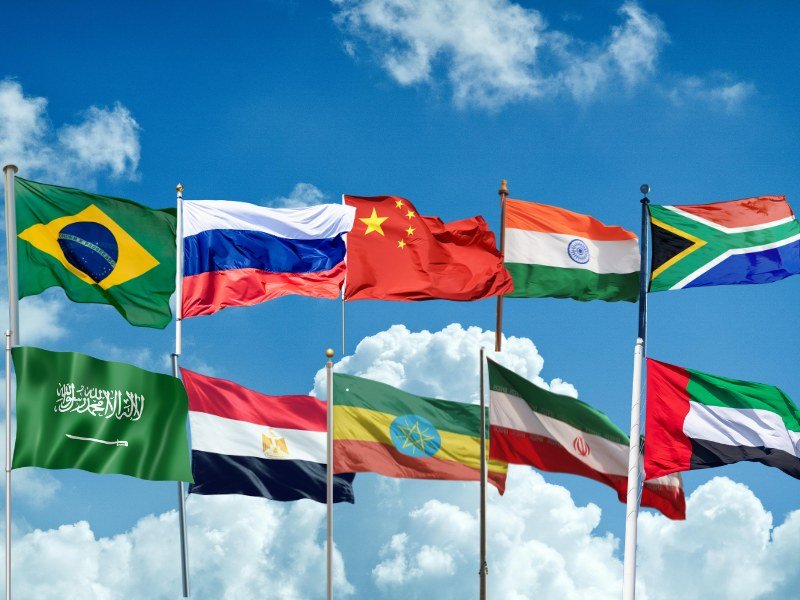
A coalition of emerging economies including Brazil, Russia, India, China and South Africa is taking measurable steps in 2026 to reshape the global financial architecture in ways that could benefit African economies and accelerate a multipolar world order.
As the group prepares for its 18th BRICS Summit in New Delhi later this year a high-profile event that puts economic cooperation, alternative payment systems and financial sovereignty at the center of its agenda member states are advancing initiatives that challenge longstanding Western financial dominance while offering new avenues for Africa’s economic engagement.
One of the most consequential developments is a proposal by India’s central bank to link central bank digital currencies (CBDCs) across BRICS nations. According to multiple reports, the Reserve Bank of India (RBI) has recommended that the proposal be added to the 2026 summit agenda, with the aim of facilitating cross‑border trade, tourism and investment without heavy reliance on the U.S. dollar. While none of the BRICS nations have fully rolled out their digital currencies yet, pilot programs are underway in all five countries, and connecting them could streamline transactions and reduce traditional settlement costs — a potential boon for African partners seeking alternatives to dollar‑based systems.
This digital currency integration effort builds on a 2025 BRICS declaration promoting interoperable payment systems and could be a transformative step toward reinforcing financial links across the Global South. By enabling BRICS members to clear trades and settle payments in local digital currencies, the group aims to reduce dependence on Western financial infrastructure such as SWIFT — a goal that resonates with many African governments motivated by recent disruptions in global markets and concerns about external economic pressures.
Also Read: ICC Endures Scrutiny Over Leadership And Sovereignty
Another strategic evolution within the bloc is a growing emphasis on alternatives to dollar‑centric reserves. Recent data show that Brazil has cut its dollar holdings in foreign exchange reserves substantially, reducing the greenback’s share from more than 80% to around 72% while acquiring roughly 42 tons of gold in late 2025. This move reflects a broader BRICS‑driven effort to diversify reserve strategies and bolster hard assets like precious metals that are less vulnerable to inflation and geopolitical pressures. The group’s combined gold treasury — reportedly exceeding 6,000 tonnes — underscores a realignment of priorities that could challenge U.S. currency dominance over time.
These financial shifts intersect with ongoing debates about creating a new BRICS‑linked settlement or currency mechanism. Proposals have surfaced for a digital or commodity‑backed unit that could serve as an alternative medium for cross‑border trade and investment. While formal adoption of such a currency remains distant and dependent on achieving regulatory and technical consensus, its conceptual evolution signals a long‑term intention among members to broaden financial cooperation beyond conventional frameworks.
One immediate implication for Africa is the potential for more robust financial integration with the Global South. A linked BRICS digital currency network could simplify transactions between African nations and major BRICS economies, reduce currency conversion costs, and create incentives for investment in infrastructure, energy, and technology sectors. For example, under a system of interoperable digital currencies, an African importer could pay for equipment from a BRICS country without converting funds into U.S. dollars, lowering barriers to trade and enhancing monetary sovereignty.
Moreover, broader BRICS financial initiatives are already drawing interest across the continent. African policymakers and central bankers have highlighted the appeal of settlement mechanisms that leverage local currency usage and digital infrastructure to mitigate exposure to dollar volatility and global sanctions risks. Some analysts see these developments as complementary to intra‑African systems like the Pan‑African Payment and Settlement System (PAPSS), potentially linking continental trade networks with BRICS settlement platforms to foster deeper regional economic integration.
Critically, these changes come at a historical inflection point. Many African economies remain vulnerable to fluctuating commodity prices, unpredictable exchange rates and external debt servicing pressures. A diversified financial architecture — one not singularly anchored to the dollar or Western institutions — could create strategic alternatives that strengthen resilience. For countries with growing intra‑African trade, industrial ambitions and expanding digital sectors, participation in BRICS‑linked financial innovations offers an opportunity to align economic policy with long‑term developmental goals rather than reactive crisis management.
Yet the path forward is not without challenges. Linking digital currencies requires robust regulatory frameworks, secure technological infrastructure and mutual trust among participating nations. Differences in monetary policy priorities, data governance standards and legal frameworks could slow progress, and financial diplomacy will play a crucial role in navigating these complexities.
For African governments evaluating engagement with BRICS initiatives, the key will be to ensure that integration strategies favor national development priorities and respect regulatory autonomy rather than creating dependency on external financial platforms.