MWE Correspondent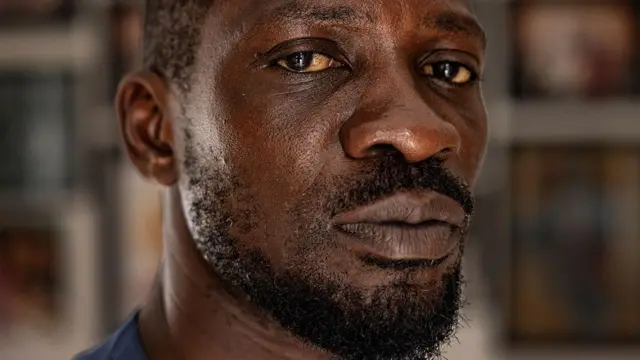
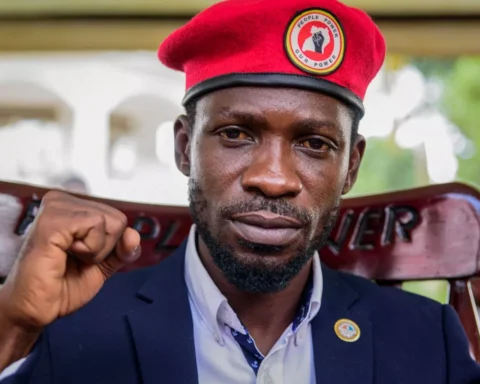
Uganda’s leading opposition figure Bobi Wine has announced that he will not challenge the outcome of last Thursday’s presidential election in court, saying he has no confidence in the country’s judiciary.
Instead, he has urged his supporters to take to the streets and demand accountability through peaceful demonstrations, a move that has intensified political tension in the East African nation.
Speaking shortly after the electoral commission declared the final results, Bobi Wine said pursuing a legal challenge would be futile because, in his view, the courts no longer operate independently. He claimed that judicial institutions have been compromised and are unable to fairly adjudicate disputes involving the political leadership. Despite this stance, he stressed that any public action must remain non-violent and within the bounds of the law.
The 43-year-old opposition leader, who rose to prominence from the music industry before entering politics, said he would continue to challenge President Yoweri Museveni through civic pressure and international engagement. He acknowledged concerns over his personal safety but insisted that the struggle for democratic reform required resilience and courage. According to him, Ugandans must use all lawful means available to defend their rights and protect the future of their democracy.
President Museveni, 81, was declared the overwhelming winner of the election, securing 71 percent of the vote, while Bobi Wine, his closest challenger, received 24 percent. The president dismissed claims of electoral misconduct and accused the opposition of attempting to undermine the process through unrest. He defended the conduct of the election and warned against protests that could lead to instability.
Museveni first came to power in 1986 after leading a rebel movement that overthrew the government at the time. Since then, he has won seven elections, extending his rule to nearly four decades. Supporters credit him with bringing relative stability and economic growth, while critics argue that his long tenure has weakened democratic institutions and narrowed political space.
Also Read; Trump’s Greenland Push Linked to Nobel Peace Prize Snub
Bobi Wine’s decision not to pursue a court challenge has drawn mixed reactions. Some analysts say it reflects widespread public skepticism about judicial independence in Uganda, while others warn that street protests could provoke a heavy-handed response from security forces. Human rights groups have repeatedly raised concerns about the treatment of opposition figures and protesters during past election cycles.
International observers are closely watching developments, noting that Uganda plays a significant role in regional security and diplomacy. The situation has also renewed debate about the state of democracy in countries where leaders remain in power for extended periods. Analysts argue that long incumbencies often strain institutions meant to provide checks and balances, including electoral bodies and the courts.
Bobi Wine has called on regional and global partners to pay attention to the concerns of ordinary Ugandans, saying the issue goes beyond a single election. He framed the moment as part of a broader struggle for political freedoms, accountability, and respect for the rule of law. His supporters, meanwhile, say they are prepared to demonstrate peacefully while demanding reforms and transparency.
As the country enters a tense post-election period, observers warn that the coming days will be critical. Whether through dialogue, protest, or political pressure, the response to the election outcome is likely to shape Uganda’s political trajectory and influence wider discussions about governance and elections across the region.