MWE Correspondent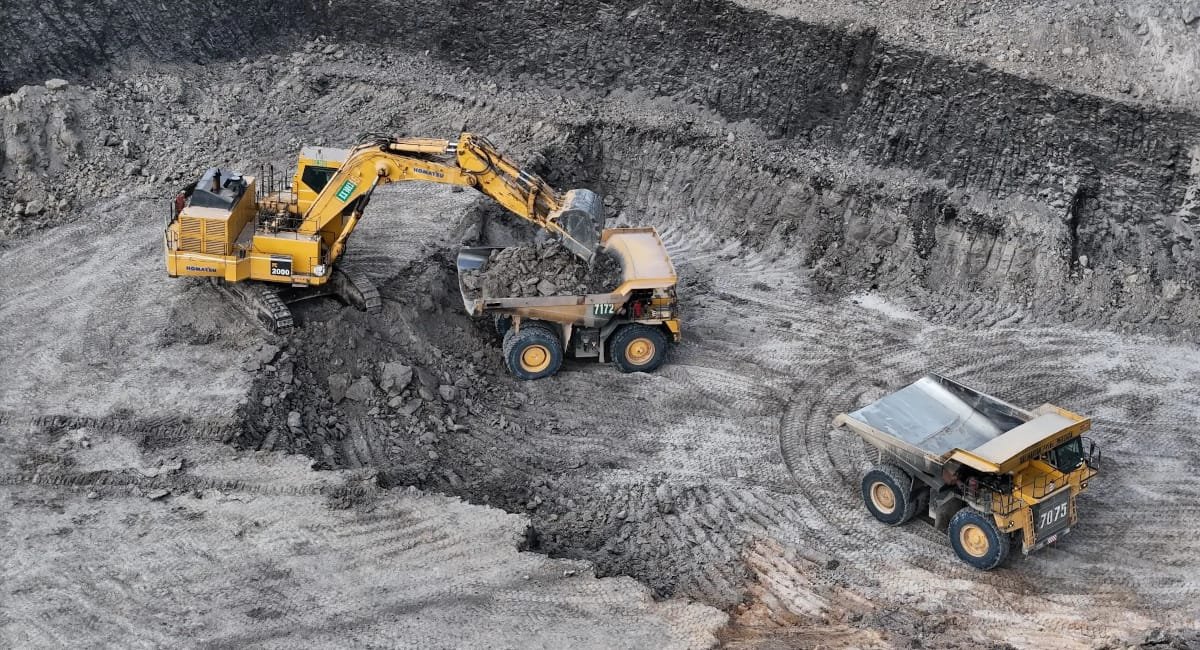
A quiet but consequential shift is unfolding across Africa. Governments are no longer content with merely supplying the world’s raw materials—they are now pushing decisively to control the full value chain of their natural wealth.
At the center of this transformation is a growing embrace of Resource nationalism, a policy direction aimed at ensuring that Africa not only extracts its minerals but also processes, manufactures, and profits from them.
For decades, the continent has remained a paradox: immensely rich in natural resources, yet limited in industrial output. This imbalance is now under scrutiny as global demand surges for critical minerals such as lithium, cobalt, nickel, and rare earth elements—key inputs for clean energy systems and advanced technologies.
Southern Africa, in particular, has emerged as a strategic hub in this new global equation. Its vast reserves place the region at the heart of supply chains powering electric vehicles, renewable energy infrastructure, and modern electronics.
Within this landscape, Tanzania is steadily positioning itself as a serious contender. With expanding investments in graphite, nickel, and natural gas, the country is increasingly integrated into global energy and industrial networks. Yet policymakers are clear-eyed about the risks.
Also Read: Africa Demands Greater Policy Space In Global Trade System
Owning resources, they argue, is no longer sufficient.
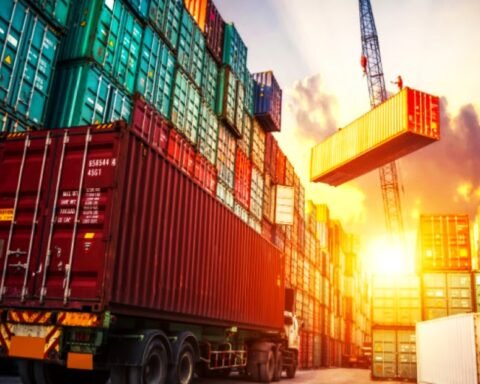
The real contest lies in controlling processing capacity, technological capabilities, and pricing power—the stages where true economic value is created. Without deliberate policy intervention, Africa risks perpetuating a long-standing cycle: exporting raw materials cheaply while importing expensive finished products.
To break this pattern, governments are rolling out targeted reforms. These include enforcing local beneficiation requirements, tightening oversight of mineral exports, and expanding state participation in strategic sectors.
Tanzania has already moved in this direction, introducing mining sector reforms and signaling a stronger commitment to domestic value addition. The underlying message is clear: exporting unprocessed minerals is no longer an acceptable economic model.
Each shipment of raw material leaving the continent represents not just lost revenue, but lost jobs, lost skills, and lost industrial potential.
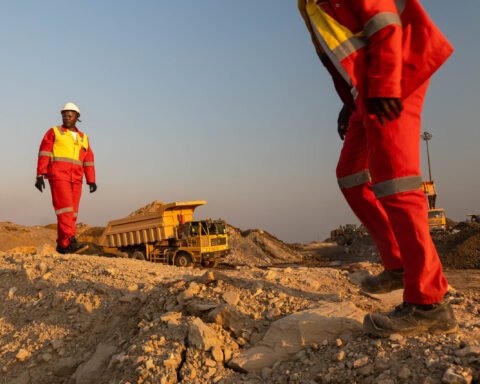
Compounding the challenge is the rise of mineral-related crimes, including smuggling and illegal mining. These illicit activities drain public revenues and weaken the very institutions needed to support long-term development.
Experts warn that such leakages are not merely governance failures—they are structural barriers to economic transformation. Revenues lost through illicit flows could otherwise finance infrastructure, industrialization, and essential public services.
Meanwhile, the global race for critical minerals is intensifying. Major economies are aggressively securing long-term supply agreements, raising concerns that Africa could once again be locked into unequal economic relationships.
Analysts caution that without coordination, individual African countries may find themselves negotiating from positions of weakness—replicating historical patterns of extraction without industrialization.
This is where regional integration becomes crucial.
Frameworks such as the Southern African Development Community (SADC) and the African Continental Free Trade Area (AfCFTA) are increasingly seen as vehicles for collective bargaining, policy alignment, and the development of regional value chains.
Through these platforms, African nations aim to consolidate their leverage—transforming fragmented markets into a unified economic front capable of negotiating better terms with global partners.
Yet, the path forward is not without complexity.
Striking the right balance between asserting national control and maintaining investor confidence remains a delicate exercise. Overly restrictive policies risk deterring investment, while overly lenient ones may fail to capture sufficient value.
The objective, policymakers emphasize, is not isolation—but strategic engagement.
For Tanzania and the broader region, the stakes could not be higher. As the global economy accelerates toward clean energy and digital transformation, demand for Africa’s mineral wealth is set to rise sharply.
The defining question is no longer whether Africa will supply these resources—but under what terms, and to whose benefit.
Handled correctly, this moment presents a historic opportunity: a chance to convert resource wealth into industrial capacity, technological advancement, and sustained economic growth.
Handled poorly, it risks reinforcing the very dependency the continent now seeks to escape.
In this unfolding chapter, resource nationalism is not a retreat from globalization—it is Africa’s bid to finally participate in it on fair and equitable terms.