MWE Correspondent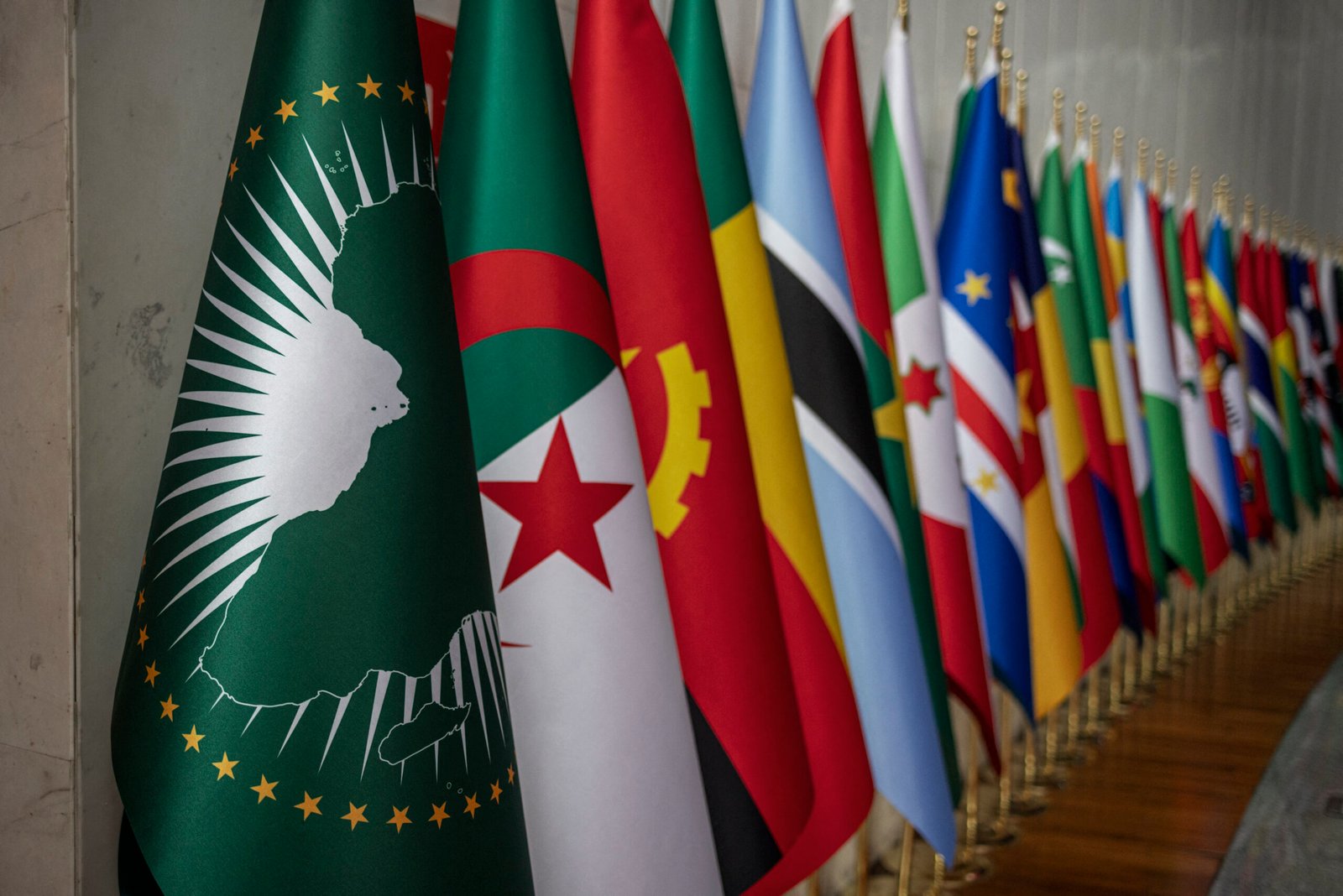
A dramatic week of political developments across Africa and beyond has exposed a rapidly shifting global order, with major events in Uganda, Kenya, Rwanda and West Africa signaling intensifying competition for influence, investment and strategic alliances on the continent.
From the swearing-in of Uganda’s long-serving president to high-level diplomatic confrontations over Western sanctions and growing geopolitical maneuvering involving the United States and China, analysts say Africa is increasingly positioning itself at the center of global political and economic realignment.
The week began with the inauguration of Yoweri Museveni for a seventh term as president of Uganda, extending one of Africa’s longest-serving leadership eras. While supporters portrayed the ceremony as a symbol of stability and continuity, critics argued it highlighted the continent’s ongoing struggle between entrenched political systems and rising demands for democratic reform.
The inauguration drew mixed reactions internationally, particularly among Western governments and human rights organizations that have repeatedly raised concerns over political freedoms, opposition restrictions and governance in Uganda. Yet regional leaders attending the event largely emphasized security cooperation, economic integration and continuity within East Africa.
At the same time, neighboring Kenya hosted the Africa-France summit in Nairobi, where African leaders and French officials sought to redefine relations amid growing criticism of Europe’s historical influence on the continent.
Also Read; Global Power Shift Reshapes Strategic Balance
The summit became more than an economic forum. It evolved into a visible contest over Africa’s future alliances as leaders pushed for partnerships based on trade, technology transfer, infrastructure investment and industrial development rather than aid dependency.
French President Emmanuel Macron attempted to present France as a modern strategic partner for Africa, but analysts noted that European powers are increasingly competing with China, Gulf states and Russia for political and economic influence across the continent.
The geopolitical tensions became even more visible after Paul Kagame publicly criticized U.S. sanctions targeting Rwanda, describing them as unfair and politically motivated. Kagame’s remarks reflected growing frustration among some African governments over what they view as selective Western pressure and unequal treatment in international affairs.
Across West Africa, security and economic uncertainty continued dominating headlines in countries such as Nigeria, Ghana and Mali, where governments are balancing rising public pressure over inflation, unemployment and security threats while also navigating shifting international alliances.
Meanwhile, the international spotlight intensified further following the visit of U.S. President Donald Trump to China, a move closely watched by global markets and diplomatic observers amid growing rivalry between the world’s two largest economies.
Analysts say the timing of Trump’s China visit, alongside mounting competition for influence in Africa, illustrates how the continent is increasingly becoming a strategic battleground in the emerging global power struggle between East and West.
The African Union on continental integration efforts, the latest diplomatic developments through the French Presidency, and international economic analysis from the World Bank.
Political observers say the events of the past week collectively reveal a broader transformation underway — one in which African nations are seeking greater influence, stronger bargaining power and more diversified global partnerships in an increasingly fragmented international system.
As geopolitical competition deepens, Africa’s political choices, economic alliances and leadership transitions are no longer regional stories alone. They are becoming central to the future balance of global power.