MWE Correspondent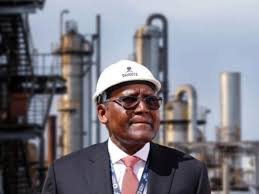
Fuel demand across Africa has surged sharply following disruptions in global energy supply, prompting several countries to explore long-term solutions within the continent.
In this context, large-scale refineries such as the Dangote Refinery in Nigeria are attracting growing attention from governments seeking more reliable and localized sources of refined petroleum products.
Reports indicate that South Africa is in discussions with Nigeria to secure a 12-month fuel supply agreement, highlighting a broader push to reduce dependence on imports from outside the continent. Analysts say this signals a shift toward intra-African energy trade, which could transform the region’s fuel market and bolster energy security for countries heavily reliant on external suppliers.
“The current crisis underscores the urgency for Africa to leverage its own resources and invest in refining infrastructure,” said an energy analyst based in Johannesburg. “Countries that act quickly will benefit from more stable supply chains and greater economic resilience.”
The ongoing fuel shortages have largely been triggered by geopolitical tensions, particularly disruptions in the Strait of Hormuz. Iran’s recent actions to block the critical oil transit route have sent shockwaves through global energy markets. This strait remains one of the world’s most vital oil shipping lanes, and even short-term blockages can cause dramatic spikes in oil prices.
The impact is already being felt in major economies such as India and Japan, where fuel shortages have begun to emerge. Global oil prices have surged by more than 40 percent, placing significant strain on fuel-importing nations. East and Southern African countries, including Tanzania, Zambia, and Burundi, are among the most vulnerable due to their heavy reliance on refined petroleum products from the Middle East.
Also Read; Egypt Reports New Western Desert Gas Discovery Boost
Despite Africa’s vast crude oil resources—found in nations such as Nigeria, Angola, and Tanzania—the continent continues to depend heavily on imported refined fuel. This paradox has sparked growing debate over the structural and policy barriers that hinder large-scale intra-African energy trade. Experts cite insufficient refining capacity, weak logistics and distribution networks, and fragmented regional energy policies as key obstacles.
In Nigeria, the Dangote Refinery, one of the largest single-site refineries in the world, has the potential to transform Africa’s refining landscape. Operating at a capacity of 650,000 barrels per day, the facility is expected to meet not only Nigeria’s domestic fuel needs but also provide a reliable export option for neighboring countries. Government officials across the continent are reportedly exploring agreements to secure long-term supply contracts, reflecting a strategic shift in regional energy planning.
Historically, Africa has exported significant quantities of crude oil while simultaneously importing refined products, a pattern that has constrained economic growth and made nations vulnerable to global price fluctuations. The current fuel crunch is likely to accelerate efforts to develop local refining infrastructure and promote cross-border fuel trade within the continent.
Energy experts argue that building an integrated continental supply chain could reduce dependency on external sources, stabilize prices, and support industrial development, ultimately helping Africa realize its vast energy potential.