
 MWE Correspondent
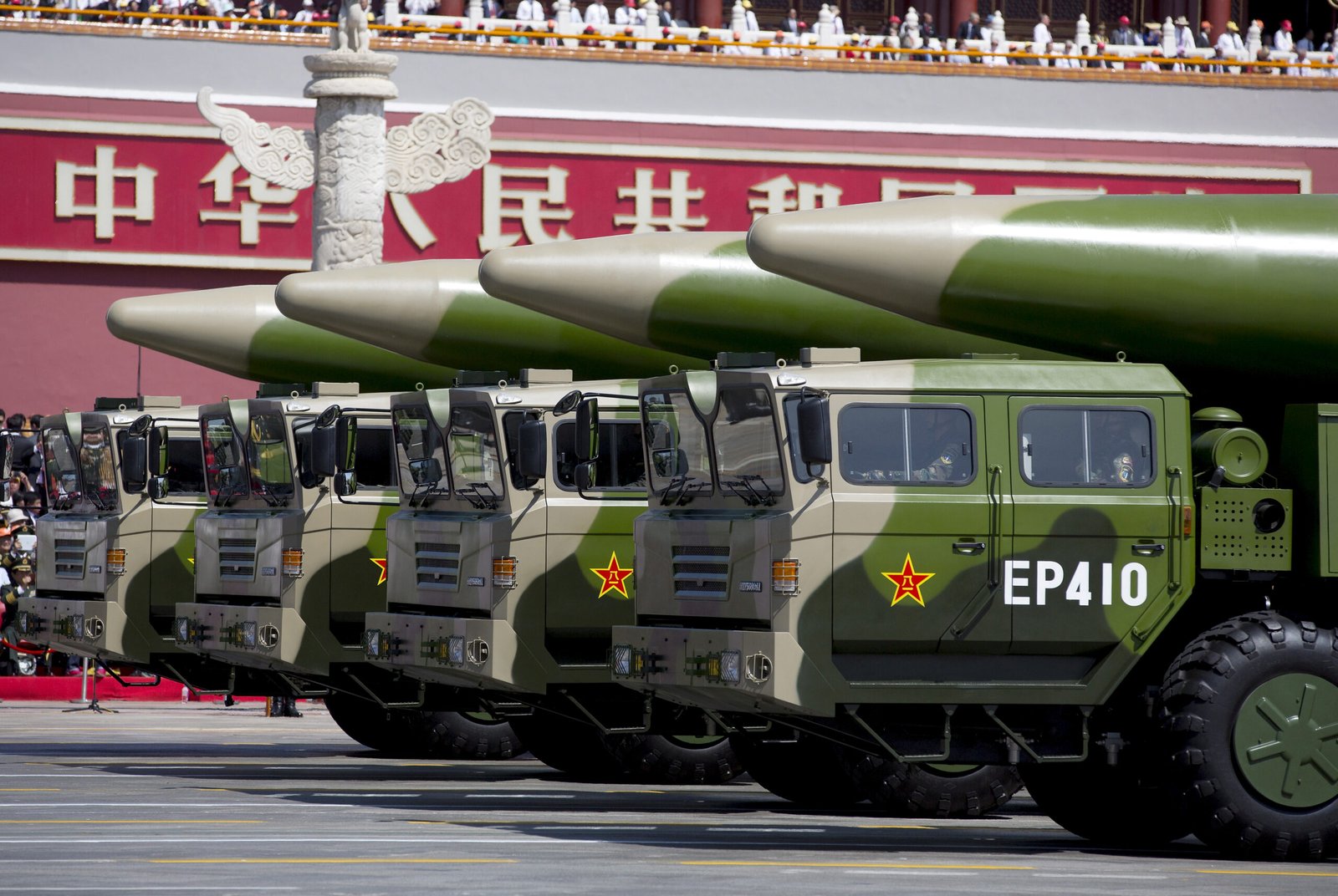
Chinese military researchers have warned that advances in artificial intelligence (AI) could make China’s nuclear weapons systems more vulnerable to potential attacks by the United States, raising concerns about the future of strategic security and nuclear deterrence.
The concerns centre on the growing use of AI in military operations, particularly in intelligence gathering, surveillance, target identification, cyber warfare and missile defence. Researchers fear that increasingly sophisticated American AI technologies could improve Washington’s ability to detect, track and potentially target China’s nuclear capabilities.
A key concern is the vulnerability of China’s nuclear command, control and communications systems, which are responsible for ensuring that military leaders can communicate with nuclear forces and maintain the ability to respond to an attack.
According to research examining Chinese military perspectives on AI, some analysts believe that US advances in artificial intelligence could weaken China’s ability to protect its nuclear forces, particularly by improving the speed and accuracy of military surveillance and targeting operations.
AI-powered technologies could also accelerate cyber operations against sensitive military networks, potentially disrupting communications, creating uncertainty about incoming threats and reducing the time available for political and military leaders to make critical decisions.
The concerns come as both China and the United States continue to modernise their military capabilities and compete for technological superiority.
China has increasingly incorporated artificial intelligence into its military modernisation strategy, including intelligence analysis, autonomous systems, surveillance and battlefield decision-making. The United States is also investing heavily in AI-enabled defence technologies, including autonomous platforms, advanced missile detection and military data analysis.
Also Read:Zelenskyy Vows Ukraine Will Not Be Broken by Russian Strikes
However, the growing integration of AI into nuclear-related military systems presents risks beyond conventional military competition.
A report published by the Stockholm International Peace Research Institute (SIPRI) in February 2026 found that Chinese experts have expressed concerns that military AI could weaken nuclear deterrence, increase the possibility of escalation and undermine strategic stability.
The report also highlighted concerns that AI could increase the risk of miscalculation, particularly if military systems interpret incomplete or inaccurate information as evidence of an imminent attack.
Meanwhile, security experts have called on Washington and Beijing to establish safeguards preventing artificial intelligence from independently making decisions involving nuclear weapons or launching cyberattacks against nuclear command systems.
Among the proposed measures are maintaining meaningful human control over nuclear decisions, establishing communication channels for AI-related military incidents and preventing autonomous systems from independently targeting sensitive nuclear infrastructure.
China and the United States remain two of the world’s leading nuclear powers, making the security of their strategic military systems an important issue for international stability.
The emerging debate highlights a growing challenge for nuclear-armed countries: how to benefit from artificial intelligence in military operations without creating vulnerabilities that could trigger miscalculation, unintended escalation or a potentially catastrophic confrontation.