 Hassan Magulumali
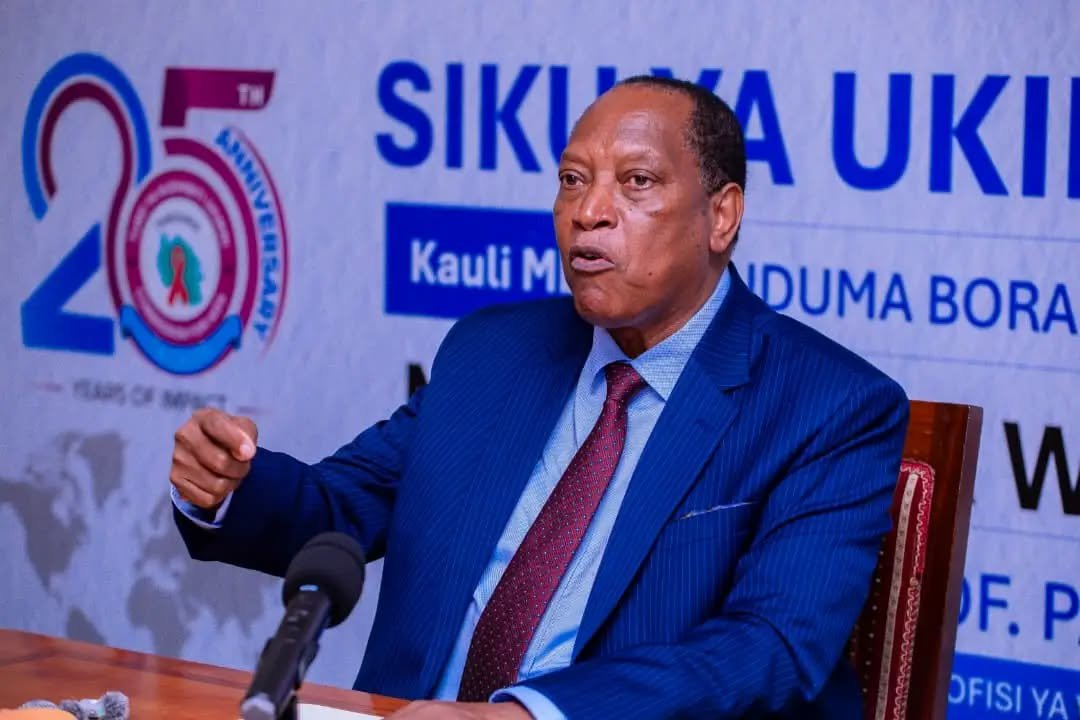
Tanzania has reported that 99.5% of people living with HIV who know their HIV status are receiving antiretroviral therapy (ART), while 98.2% of those on treatment have achieved viral suppression, according to figures released by the government.
The figures highlight the country’s progress towards the global 95-95-95 HIV targets, which aim to ensure that 95% of people living with HIV know their status, 95% of those diagnosed receive sustained treatment, and 95% of people receiving treatment achieve viral suppression.
Minister of State in the Prime Minister’s Office responsible for Policy, Parliament, Coordination and Persons with Disabilities, Professor Palamagamba Kabudi, announced the figures on November 19, 2026, in Dar es Salaam while briefing journalists on preparations for World AIDS Day, which will be observed on December 1.
According to data from the District Health Information System 2 (DHIS2), by December 2025, 92.7% of people living with HIV in Tanzania had been tested and knew their status. Of those diagnosed, 99.5% were accessing antiretroviral drugs, while 98.2% of those receiving treatment had achieved viral suppression.
Viral suppression occurs when HIV treatment reduces the amount of the virus in the body to very low levels, helping people maintain their health and significantly reducing the risk of transmitting HIV.
Also Read: Africa Must Develop Its Own Energy Solutions, Says Kemm
Kabudi said Tanzania had also recorded a decline in new HIV infections and AIDS-related deaths over the past 15 years.
New HIV infections fell from 98,754 in 2010 to 33,511 in 2025, representing a reduction of approximately 66%. Meanwhile, AIDS-related deaths declined from 55,833 to 25,995 over the same period, a decrease of about 53%.
Mother-to-child HIV transmission also decreased from 9.1% to 6.2%, reflecting progress in prevention services for pregnant women and the provision of treatment to mothers living with HIV.
The Tanzania HIV Impact Survey (THIS) 2022/23 estimates that HIV prevalence among people aged 15 to 49 in Mainland Tanzania stood at 4.4%, equivalent to approximately 1.69 million people living with the virus.
The survey provides an important measure of the country’s HIV burden and helps guide national prevention, testing and treatment interventions.
Despite the progress, the figures indicate that gaps remain in identifying people who are unaware of their HIV status and ensuring that everyone living with the virus can access timely testing and treatment.
The government has therefore pledged to strengthen sustainable financing for the national HIV response by increasing domestic resource mobilisation, encouraging private-sector participation and maintaining cooperation with development partners.
The continued availability of antiretroviral medicines, expanded HIV testing, prevention programmes, community-based services and efforts to reduce stigma remain important components of the country’s response.
World AIDS Day, observed annually on December 1, provides an opportunity to assess progress in tackling HIV and AIDS, remember those who have lost their lives and renew commitments to prevention, treatment and support for people living with HIV.
Tanzania’s latest figures come as countries continue working towards the global ambition of ending AIDS as a public health threat by 2030.