
 Angela Mushi
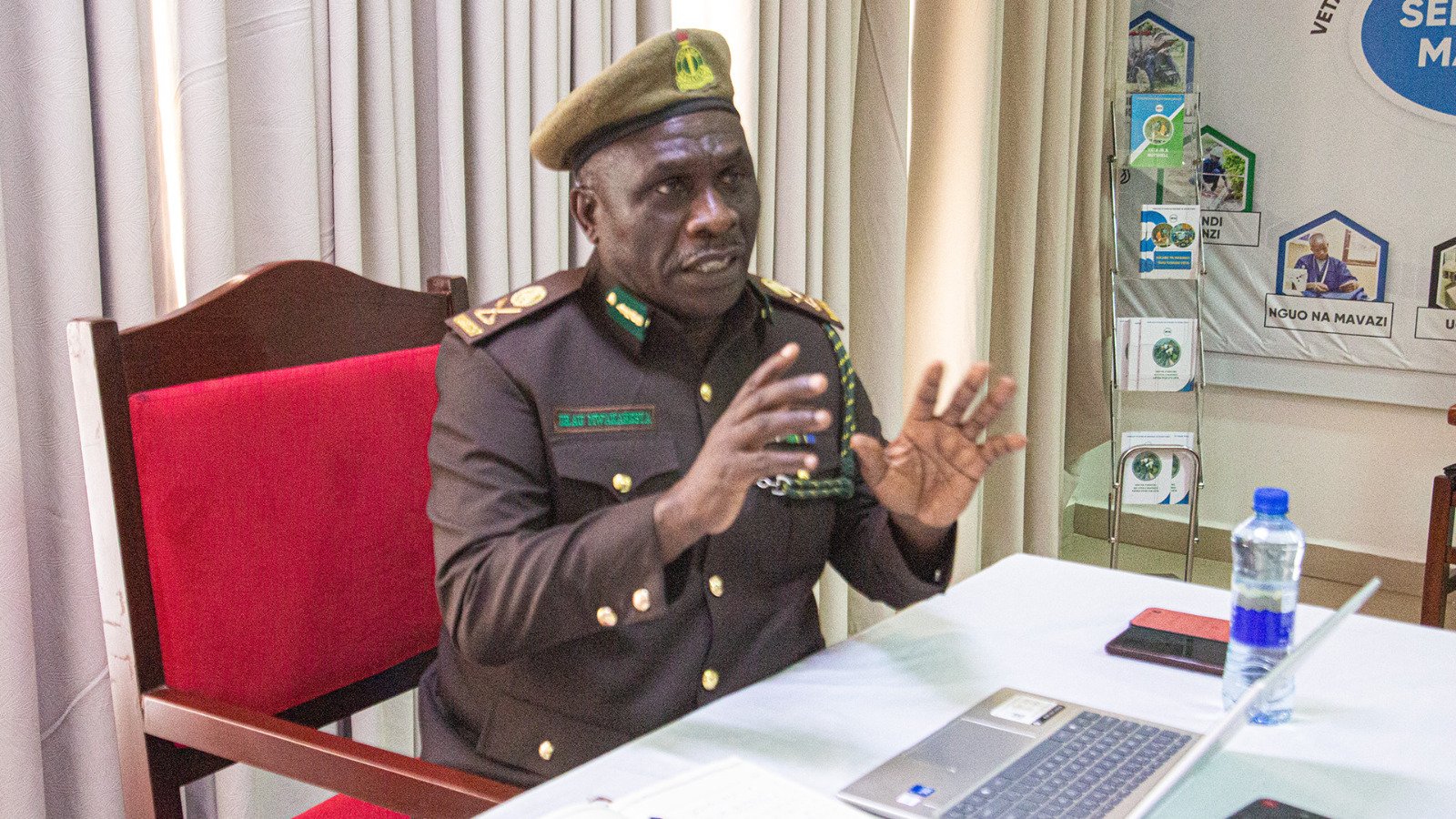
Tanzania’s Prisons Service and the Vocational Education and Training Authority (VETA) are strengthening cooperation to formally recognise vocational skills acquired by inmates, in an initiative aimed at improving their employment and self-employment opportunities after release.
The initiative will see 481 inmates awarded vocational training certificates after completing skills development programmes under the Mama Samia initiative through the Recognition of Prior Learning (RPL) system.
Deputy Commissioner of Prisons (DCP) Dr Uswege Mwakahesya, who heads the Prisons Service’s Industrial Section, chaired a preparatory meeting in Dodoma on November 18, 2026, ahead of the planned graduation ceremony.
The ceremony is expected to take place in late November at Karanga Prison grounds in Kilimanjaro Region. It will also feature the signing of a Memorandum of Understanding (MoU) between the Prisons Service and VETA to strengthen cooperation in vocational skills assessment, recognition and certification.
The partnership is intended to ensure that inmates who have acquired practical skills through prison-based training and work activities can have their competencies formally assessed and recognised, even where they have not followed conventional classroom-based training programmes.
Under the Recognition of Prior Learning framework, individuals can have skills and competencies gained through practical experience evaluated against established occupational standards. Those who meet the required standards can receive recognised qualifications.
Also Read: Tanzania Orders Faster Delivery of $14m Tanga Projects
For inmates, the approach is particularly important because it can help bridge the gap between skills acquired while serving prison sentences and the formal qualifications often required by employers and customers.
The certification initiative is also expected to support rehabilitation by equipping inmates with practical skills that can help them establish businesses, secure employment and become economically independent after returning to their communities.
Vocational training plays an important role in correctional rehabilitation, providing opportunities for inmates to develop competencies in technical and productive occupations while preparing for life beyond incarceration.
Through its cooperation with VETA, the Prisons Service seeks to strengthen the quality, recognition and relevance of vocational training offered within correctional facilities.
The planned MoU is expected to provide a framework for closer institutional cooperation in skills assessment, certification and the development of training opportunities for inmates.
The initiative reflects Tanzania’s broader efforts to promote technical and vocational education as a tool for employment creation, entrepreneurship and inclusive economic development.
By formally recognising the abilities of the 481 graduates, the programme aims to improve their chances of reintegration into society and reduce barriers to economic participation following their release.


