
 MWE Correspondent
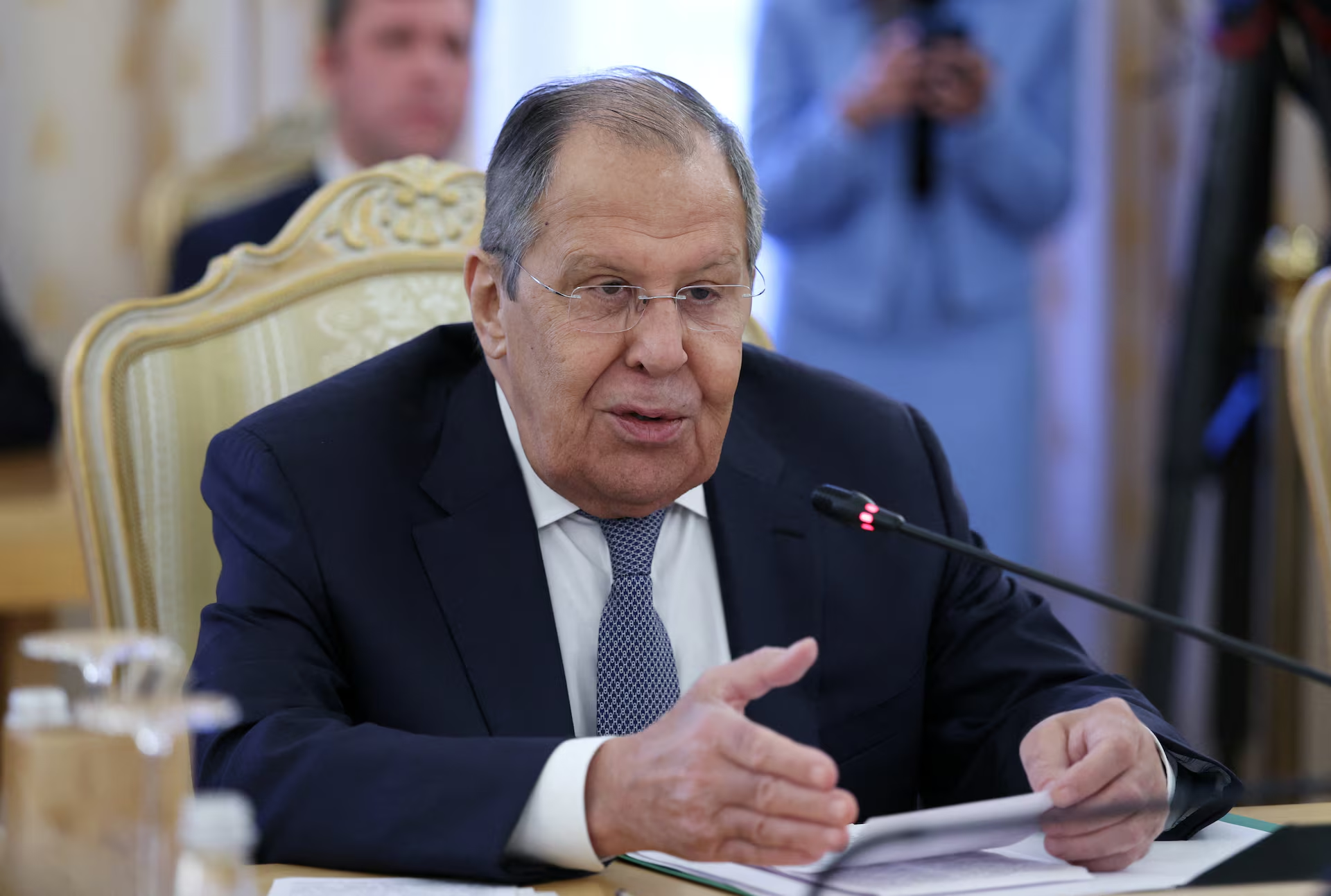
Russian Foreign Minister Sergey Lavrov has warned that although Moscow does not seek a military confrontation with Europe, Russia is prepared to respond if a war breaks out, stressing that such a conflict would be fundamentally different from previous wars.
Speaking about Russia’s position towards European security tensions, Lavrov reiterated President Vladimir Putin’s repeated statements that Moscow has no intention of starting a war with European countries but remains ready to defend itself against any military threat.
“President Putin repeatedly said Russia does not want a war with Europe, but if a war starts, we are ready,” Lavrov said, adding that such a conflict “will be different and very short.”
His remarks reflect Moscow’s increasingly firm warnings against what it describes as growing military pressure from European countries and the expansion of Western military support for Ukraine.
Relations between Russia and European nations have deteriorated significantly since the outbreak of the Russia-Ukraine conflict in February 2022. The war has reshaped Europe’s security environment, triggered extensive economic sanctions against Moscow and increased military spending across several European countries.
Also Read: Arusha Builds New Secondary School at Sh584 Million
European governments have strengthened defence cooperation, expanded military capabilities and continued providing Ukraine with weapons, financial assistance and training. Russia, meanwhile, has repeatedly argued that NATO’s military expansion and Western involvement in Ukraine threaten its national security.
Moscow has maintained that it does not intend to attack NATO member states, while warning that any direct military confrontation involving Russia would carry serious consequences.
Lavrov’s comments come amid continuing debates over Europe’s future security arrangements, the possibility of a wider confrontation and the need for diplomatic engagement to prevent further escalation.
The Russian government has consistently called for what it considers a new European security framework that takes into account Russia’s security interests, while Western governments have maintained that European countries have the right to determine their own security arrangements.
Analysts have warned that a direct confrontation between Russia and NATO could have far-reaching consequences because both sides possess significant conventional military capabilities and nuclear arsenals.
Against this background, Lavrov’s remarks underline the seriousness of Moscow’s warnings while highlighting the importance of diplomacy, strategic communication and efforts to prevent tensions from developing into a direct military conflict.
However, his statement does not establish that a war is imminent, but signals Russia’s readiness to respond militarily if it considers itself under attack.


