
 Hassan Magulumali
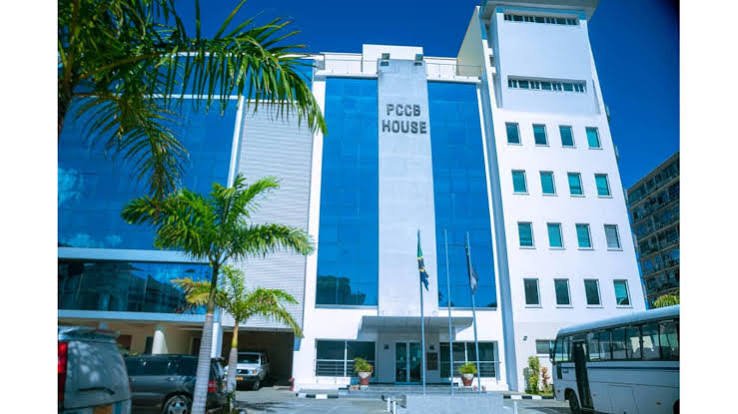
Tanzania’s Prevention and Combating of Corruption Bureau (PCCB), commonly known as TAKUKURU, is expected to complete the construction of 93 office buildings across the country by July 2027 as part of efforts to expand its presence and bring anti-corruption services closer to citizens.
PCCB Director General Crispin Chalamila announced the plan in Karatu District, Arusha Region, during the inauguration of a newly constructed PCCB office building completed at a cost of TZS 405 million, below the initial budget of TZS 421 million.
Chalamila said the government has continued providing financial support to the institution to improve its working environment through investments in office infrastructure and professional training aimed at strengthening employees’ capacity to perform their duties using modern systems.
He explained that the expansion programme is intended to improve access to anti-corruption services, enabling citizens to report suspected corruption, seek assistance and receive services without travelling long distances to reach regional or district headquarters.
According to Chalamila, the government has a longer-term objective of ensuring that every district in Tanzania has a properly constructed PCCB office building by 2030, providing infrastructure that meets the operational requirements of the institution.
The investment, he emphasised, goes beyond physical infrastructure and includes strengthening operational and investigative departments to improve the institution’s ability to prevent, detect and investigate corruption-related offences.
Improved office facilities are expected to support better coordination among investigators, enhance the handling of complaints and provide a more accessible environment for citizens seeking assistance. The expansion could also improve the institution’s ability to conduct public education and engage communities in promoting integrity and accountability.
Also Read: Tanzania Sets Sh89.3 Trillion Development Plan
Corruption remains a significant governance and development challenge because it can undermine public trust, increase the cost of government projects, weaken service delivery and divert resources intended for essential sectors such as healthcare, education, water and infrastructure.
Strengthening anti-corruption institutions is therefore important for ensuring that public funds are used for their intended purposes and that public officials and other individuals involved in corruption are held accountable under the law.
Chalamila also highlighted the importance of investing in staff training and modern operational systems, noting that effective corruption prevention requires skilled personnel capable of handling increasingly complex investigations.
Modern investigative approaches, effective information management and stronger institutional coordination can help improve the identification of financial irregularities and the collection of evidence required for legal proceedings.
The Karatu office project also demonstrated the importance of financial discipline in implementing public infrastructure projects. Chalamila said the building was completed for TZS 405 million against the original allocation of TZS 421 million, leaving approximately TZS 15 million unspent.
He described the savings as an indication of the importance of ensuring value for money in public expenditure, particularly in projects financed through government resources.
The construction programme forms part of broader efforts to strengthen institutional capacity and improve access to public services across Tanzania. By establishing offices closer to communities, PCCB aims to encourage citizens to participate more actively in reporting corruption and supporting efforts to promote transparency.
However, the effectiveness of the expansion will ultimately depend not only on the number of buildings completed but also on adequate staffing, operational funding, investigative capacity and the institution’s ability to respond effectively to complaints.
As the government continues investing in anti-corruption infrastructure, the planned completion of 93 offices by July 2027 represents an important phase in expanding PCCB’s geographical reach, while the 2030 district coverage target seeks to establish a more accessible institutional presence throughout the country.


