MWE Correspondent
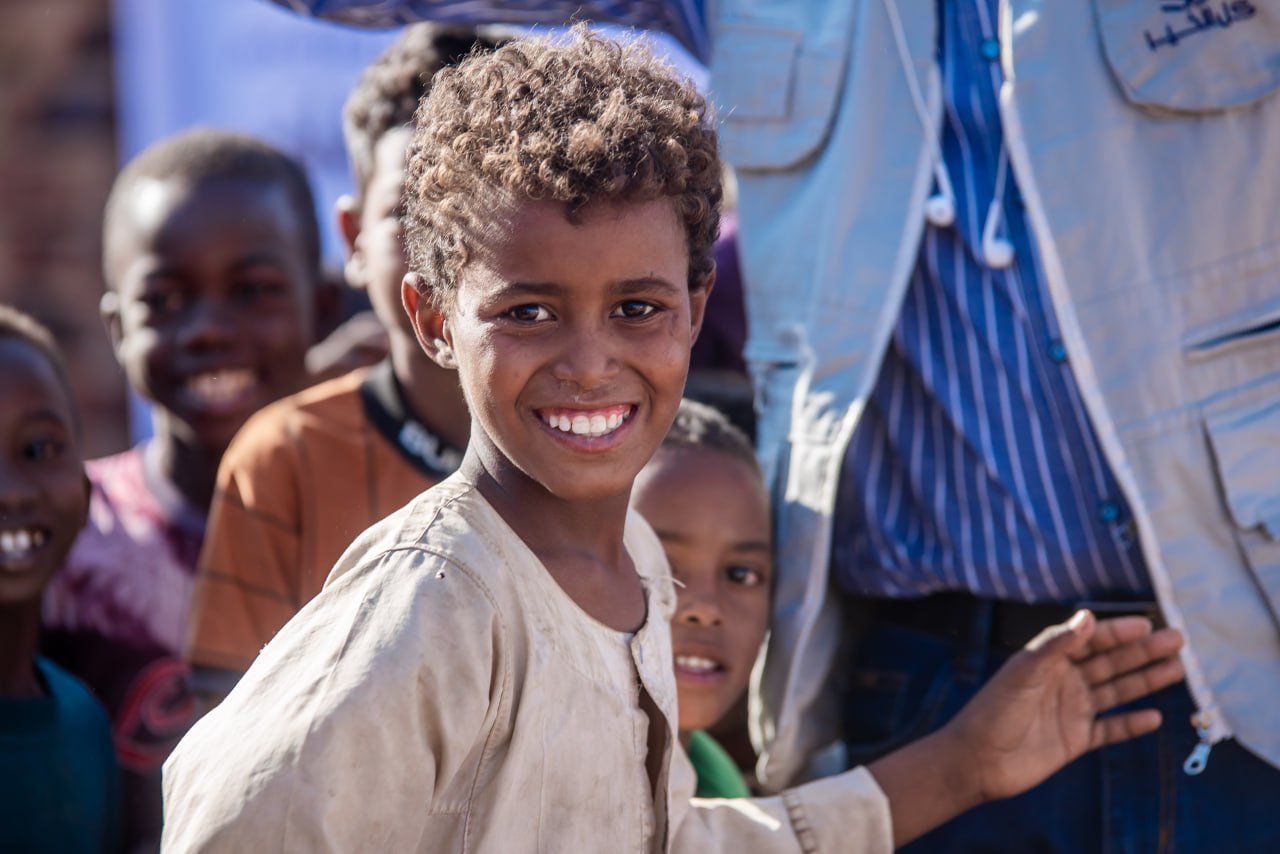
Sudan has launched a large-scale polio vaccination campaign targeting approximately 11 million children, with support from the World Health Organization (WHO) and the United Nations Children’s Fund (UNICEF), as the country continues to face the challenges of armed conflict, population displacement and disruptions to essential health services.
The campaign will be implemented in two phases and aims to protect children against poliovirus, a highly infectious disease that can cause permanent paralysis and, in severe cases, death. The initiative focuses on children under five years of age across Sudan, while the target age group has been expanded to include children under 10 in the Darfur region.
The vaccination drive comes at a critical time for Sudan’s healthcare system, which has been severely affected by the ongoing conflict. Insecurity, damaged health facilities, shortages of medical supplies and the displacement of millions of people have made it increasingly difficult for families to access routine immunisation and other essential healthcare services.
Children living in displacement camps and remote communities are particularly vulnerable because they may miss scheduled vaccinations when families are forced to flee their homes or move repeatedly in search of safety, food and shelter.
Health authorities and international partners are therefore prioritising vaccination efforts to reach children who may have limited access to healthcare. The campaign is also intended to strengthen disease surveillance and reduce the risk of poliovirus spreading within Sudan and beyond its borders.
Also Read: Kenyan Court Orders Police to Produce Missing CHADEMA Activist
The inclusion of children under 10 in Darfur reflects the need to reach a wider population in an area facing significant humanitarian and public health challenges. By extending the age range, health teams aim to protect older children who may have missed previous immunisation opportunities because of conflict-related disruptions.
Coordination with neighbouring countries is another important component of the initiative. Population movements across borders can increase the risk of infectious diseases spreading between communities, particularly where vaccination coverage has been interrupted. Cooperation among health authorities and international organisations is therefore essential for monitoring potential outbreaks and ensuring that vulnerable children in border areas are protected.
Polio is primarily transmitted through the faecal-oral route, often through contaminated water or food. Although the disease is preventable through vaccination, it remains a public health threat wherever immunisation coverage is inadequate and surveillance systems are disrupted.
The WHO and UNICEF have continued to support vaccination programmes in humanitarian emergencies, working with national health authorities to deliver vaccines, mobilise communities and improve access to life-saving interventions.
However, reaching millions of children in a conflict-affected country presents considerable logistical challenges. Vaccination teams must navigate insecurity, damaged infrastructure, difficult road networks and communities that may be difficult to reach. Public awareness and cooperation from parents and caregivers are also vital to ensure that eligible children receive the required doses.
The two-phase campaign represents an important effort to prevent a potentially devastating disease from gaining ground during Sudan’s humanitarian crisis. Its success will depend on the ability of health workers to reach children across affected regions, maintain vaccine supplies and sustain surveillance after the vaccination rounds are completed.
As Sudan continues to grapple with conflict and displacement, protecting children from preventable diseases remains a critical priority. The campaign highlights the importance of maintaining essential health services even during emergencies, while regional cooperation will be necessary to reduce the threat of cross-border transmission and support broader efforts to eradicate polio worldwide.