
 Hassan Magulumali
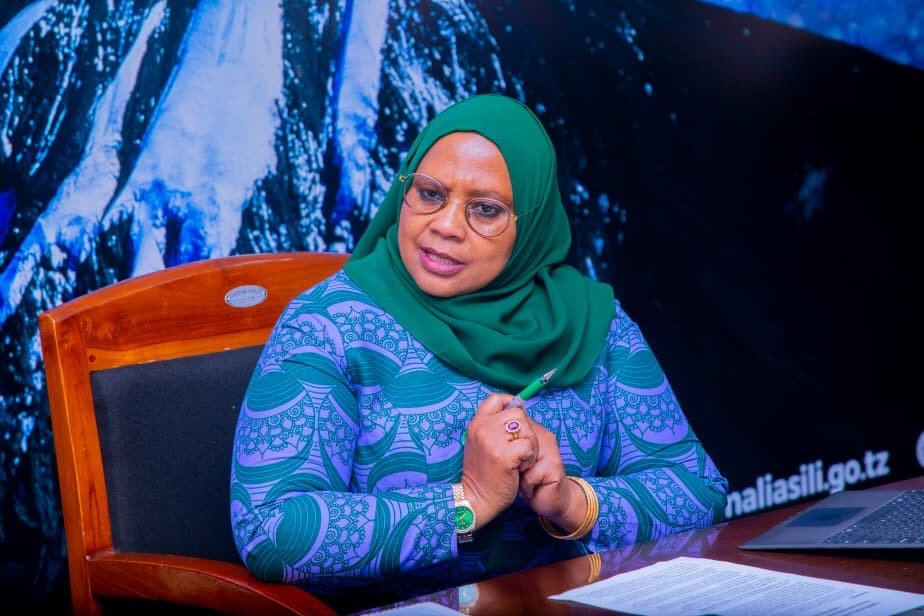
Tanzania’s Minister for Natural Resources and Tourism, Dr Ashatu Kijaji, has urged communities to protect conservation areas, warning that their preservation is essential for environmental sustainability, public welfare and the survival of future generations.
Kijaji made the remarks on October 27, 2026, in Dodoma during a meeting with residents represented by their fellow villagers and Nzega Rural Member of Parliament Neto Kapalata. The delegation visited the ministry’s offices to present their concerns and request that part of the Ilomelo Mountains Reserve be allocated for farming and livestock keeping.
The residents said their existing land had been affected by human activities and had become unsuitable for agricultural and livestock production, prompting them to seek alternative land within the protected area.
Responding to their request, Kijaji emphasised that protected areas must not be viewed as government property preserved solely for state interests, but as natural assets that benefit society as a whole and individual citizens.
She explained that forests, mountains and other protected ecosystems play a crucial role in regulating the environment, supporting rainfall patterns, protecting water sources and preventing soil erosion.
The minister noted that these functions have become increasingly important as Tanzania and other countries face the effects of climate change, including unpredictable rainfall, land degradation and growing pressure on natural resources.
She warned that uncontrolled allocation and destruction of protected land could undermine these environmental benefits, threatening agricultural productivity, water availability and the livelihoods of communities that depend on healthy ecosystems.
Also Read: Tanzania Targets New Mining Investments Through TMIC 2026
“If our elders had decided to divide up these areas without respecting protected land, we would not have found them as they are today. We would have no rainfall sources, and our country could have become a desert,” Kijaji said.
She added that previous generations had recognised the importance of conservation, allowing present-day communities to benefit from the natural resources and environmental services these areas provide.
The minister cautioned that destroying protected areas in pursuit of immediate economic benefits could create long-term consequences for both current residents and future generations.
Her remarks highlight a broader challenge facing Tanzania: balancing the need for agricultural land and livestock grazing with the protection of forests, mountains, water catchment areas and other environmentally sensitive locations.
As population growth and demand for farmland increase, communities in several parts of the country face growing pressure on available land. Where agricultural practices are unsustainable, soil fertility can decline, vegetation cover can disappear and erosion can make land increasingly difficult to cultivate.
Conservation areas help reduce these risks by maintaining vegetation, protecting watersheds and supporting ecological systems that sustain agriculture and other economic activities. They can also contribute to tourism, biodiversity protection and climate resilience.
Kijaji told the delegation that the government would continue addressing their request but urged residents to understand that decisions concerning protected areas must consider the wider public interest rather than the needs of one particular group.
She stressed that conservation is a shared responsibility and that protecting natural resources is necessary to safeguard the country’s long-term social and economic well-being.
The discussions underscore the importance of finding sustainable solutions for communities facing land shortages without weakening environmental protection. Such solutions may include improving the productivity of existing farmland, promoting sustainable livestock management and identifying suitable alternative land through lawful planning processes.
For Tanzania, the challenge is to ensure that conservation policies protect vital ecosystems while addressing legitimate community concerns through transparent and sustainable land-management decisions.


