
 Hassan Magulumali
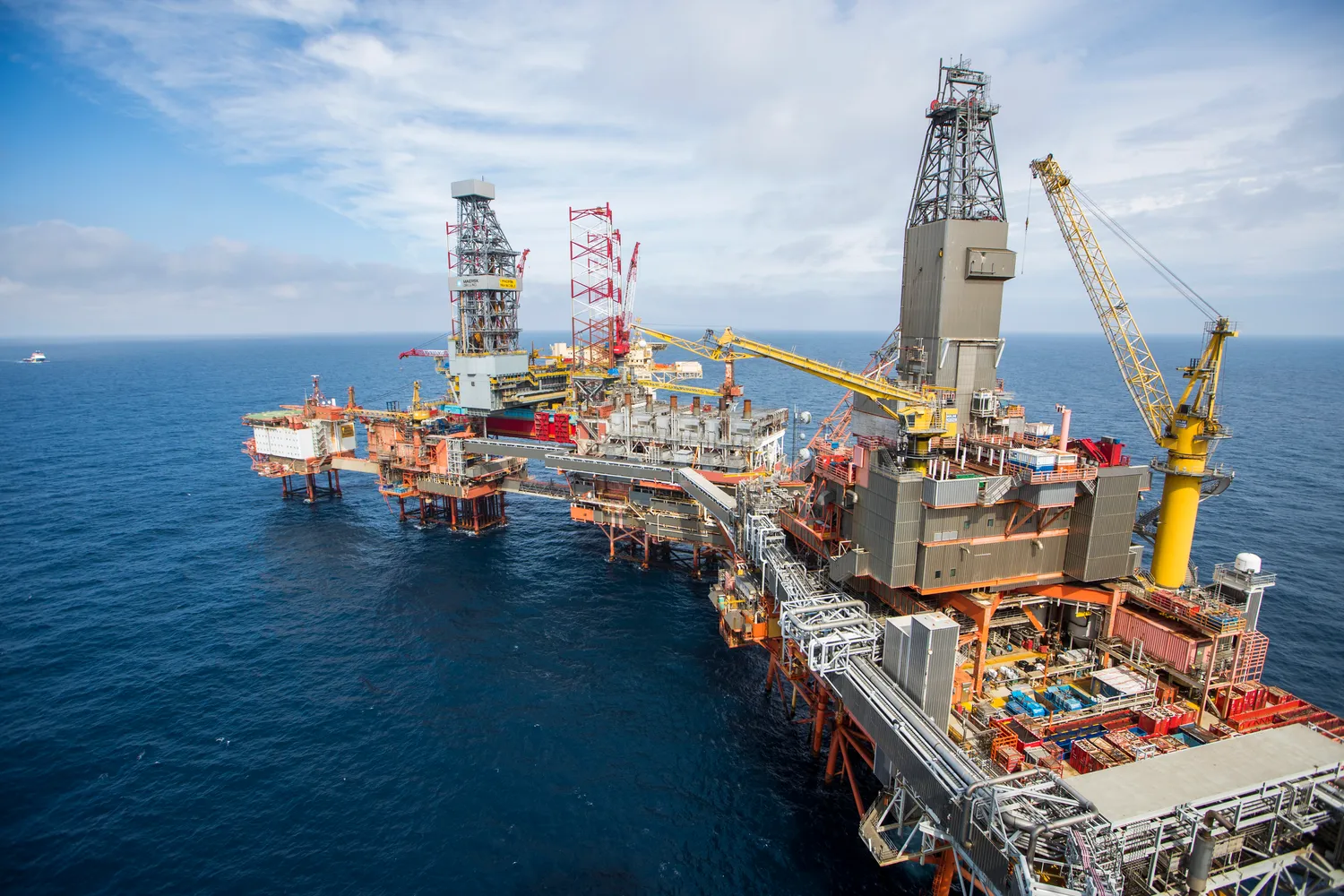
Another risk lies in the long-term financial and environmental consequences of expanding fossil fuel infrastructure. Oil fields, gas terminals and power stations require substantial capital and often operate over decades. If global demand shifts faster than expected because of electrification, renewable energy and climate policies, some assets could lose value before governments receive the benefits they anticipated.
African countries face a particularly difficult calculation: they need reliable and affordable energy to industrialise, yet they must avoid becoming financially dependent on infrastructure that may become less competitive over time.
Oil spills, gas leaks, methane emissions, coastal ecosystem damage and displacement of communities can also impose costs that are not adequately reflected in headline investment figures. If environmental safeguards and liability provisions are weak, taxpayers and local communities may ultimately bear expenses that private investors should have addressed.
This does not mean Africa must abandon its oil and gas resources. Natural gas can support electricity generation, fertiliser production and industrial development where infrastructure, pricing and domestic demand make economic sense. The challenge is to ensure that fossil fuel revenues accelerate economic diversification instead of delaying it.
The competition for African energy resources involves companies and financiers from Western countries, emerging economies and other regions. The issue is therefore not simply the nationality of investors, but the terms on which they operate and the balance of power between resource-owning states and international capital.
Read More:Africa’s $17 Billion Energy Deals Raise Questions Over Resource Sovereignty
African governments should resist agreements that lock them into unfavourable conditions, restrict their future policy choices or leave them exposed to disproportionate financial and environmental risks. Transparent contracts, independent audits, parliamentary scrutiny and public disclosure of beneficial ownership can help reduce these dangers.
Regional cooperation is equally important. Countries negotiating separately for access to capital can find themselves competing to offer tax concessions and other incentives. Stronger coordination through African institutions and regional economic blocs could improve bargaining power, encourage cross-border energy infrastructure and support larger markets for African-produced energy.
The continent also needs to invest more aggressively in electricity grids, renewable energy, storage, research and technical education. Revenue from oil and gas should help finance these capabilities, allowing African economies to remain competitive as global energy systems change.
For Tanzania, this means treating the LNG project not merely as an export opportunity, but as a potential instrument for industrial development. Clear rules on revenue management, local participation, environmental protection and the use of gas in domestic industries should form part of a broader national development strategy.
African Energy Week’s US$17 billion in investment commitments signals continued interest in the continent’s energy resources. But commitments are not the same as completed projects, and completed projects do not automatically translate into shared prosperity.
The real measure of success will be whether African countries emerge with stronger industries, reliable and affordable energy, skilled workforces, greater technological independence and public revenues that improve citizens’ lives.
Without those outcomes, Africa risks repeating a familiar cycle: exporting valuable resources, importing expensive products and remaining dependent on the same external systems it hoped investment would help it escape.
Africa needs investment, but it needs investment on terms that strengthen its sovereignty, expand its productive capacity and place the long-term interests of its people above the short-term pursuit of extraction.


