MWE Correspondent
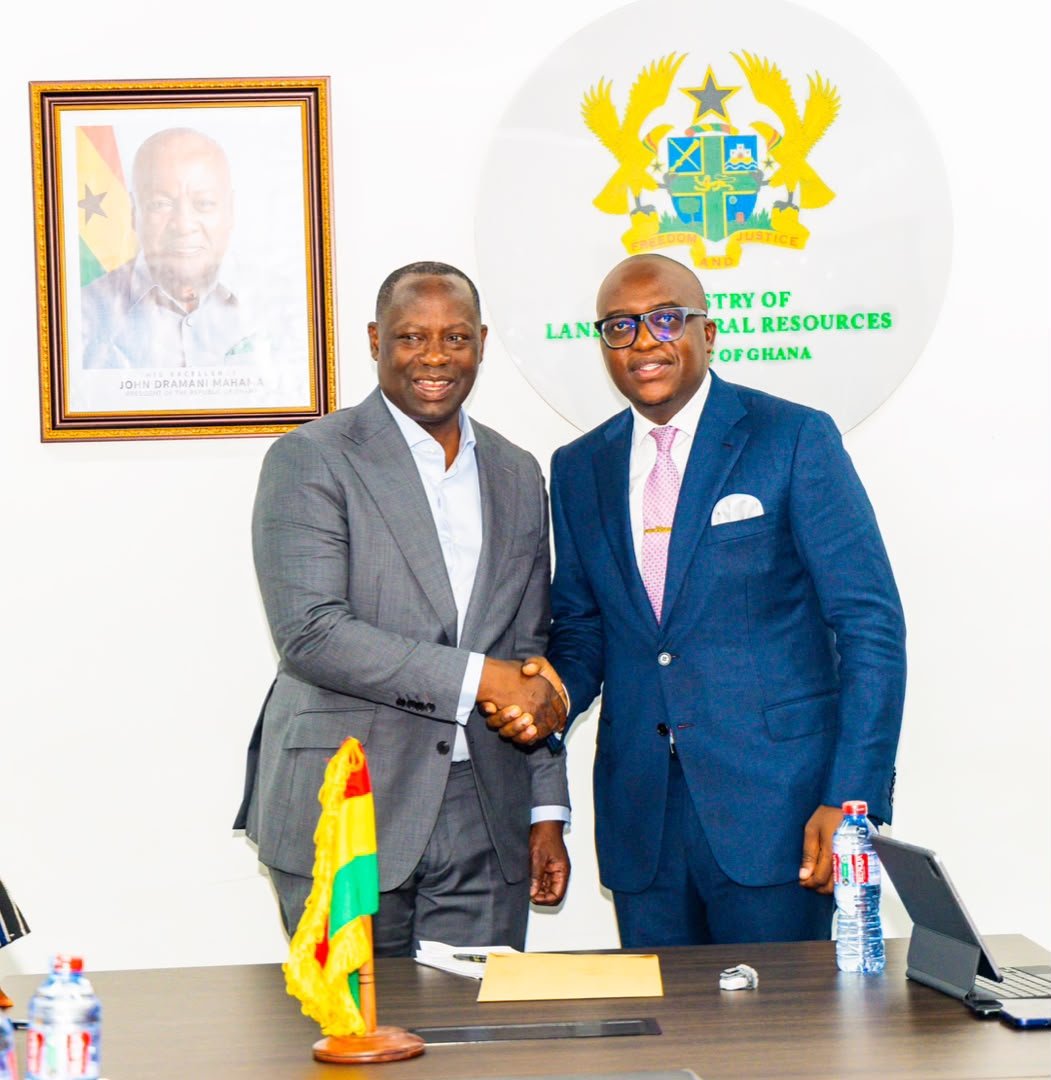
Tanzania and Ghana have agreed to strengthen strategic cooperation in developing small-scale miners and improving mineral resource management, with a focus on local mineral processing, industrial growth and job creation across Africa.
Tanzania’s Minister for Minerals, Anthony Mavunde, made the call on October 21, 2026, during a bilateral meeting with Ghana’s Minister for Lands and Natural Resources, Emmanuel Armah-Kofi Buah, in Accra, where the two officials discussed opportunities to deepen collaboration in the mining sector.
Mavunde said African countries must move beyond exporting raw minerals and instead use their natural resources to build domestic industries, expand employment opportunities and generate greater economic benefits for their citizens.
He stressed that Tanzania and Ghana should strengthen support for small-scale miners to enable them to participate more effectively in the mineral economy, including through improved technical expertise, technology, financing opportunities and better mining practices.
“The era when Africa operates as a warehouse of raw materials for other nations must end, and it must end now,” Mavunde said, calling for stronger cooperation in mineral exploration, processing and value addition.
He argued that Africa’s mineral wealth should not only benefit foreign industries but also support local manufacturing, entrepreneurship and industrial development within mineral-producing countries.
The minister identified mineral value addition as a key area for cooperation, particularly in smelting, refining, processing and manufacturing products from minerals such as gold, copper, graphite, lithium and other strategic resources.
According to Mavunde, expanding local processing capacity would help African countries retain more economic value from their mineral resources, attract investment into domestic industries and create productive employment, particularly for young people.
He also called for Tanzania and Ghana to exchange geological information, research expertise and technology to improve mineral exploration and strengthen their capacity to identify and manage natural resources.
Access to reliable geological data, he noted, can help governments make informed policy decisions, negotiate investment agreements more effectively and improve oversight of mining activities.
Mavunde further emphasised the importance of local content policies, saying African citizens should participate in mining not only as employees but also as business owners, investors, suppliers and manufacturers of mineral-based products.
Also Read: Tanzania Orders Pande Reserve Projects Completed By December
He commended Ghana’s experience in supporting small-scale miners and said Tanzania was interested in learning from the country’s mining laws, regulatory structures and institutional arrangements, including the role of Ghana’s Minerals Commission in overseeing the sector.
The exchange of experience is expected to provide opportunities for both countries to identify effective approaches to formalising small-scale mining, improving regulatory compliance and promoting responsible extraction.
Small-scale mining plays an important role in livelihoods and local economic activity across several African countries. However, the sector can face challenges involving access to modern equipment, financing, geological information, environmental protection and occupational safety. Stronger technical and regulatory support can help miners improve productivity while reducing harmful practices.
On investment, Mavunde urged international companies and development partners to prioritise projects that establish mineral-processing industries, strengthen infrastructure and expand value addition within Africa. He also called for investment agreements that deliver fair and measurable benefits to host countries and communities.
He invited Buah and his delegation to visit Tanzania in the coming months to continue discussions and establish formal mechanisms for cooperation, including joint technical working groups between the two countries’ mining ministries.
Mavunde said Tanzania and Ghana could become examples of African countries working together to transform mineral wealth into industrial development and improved living standards, particularly as global demand for minerals used in clean energy and advanced technologies continues to grow.
For his part, Buah said African countries needed to cooperate more closely instead of relying solely on individual national efforts to develop their mining industries.
He noted that, despite the continent’s considerable natural resources, many African economies had not captured sufficient value from mining because minerals continued to be exported in raw form rather than processed into higher-value products.
Buah said mineral beneficiation was essential to building industries, creating jobs and improving citizens’ livelihoods. He also highlighted the need for mining agreements to deliver direct benefits to communities surrounding mining operations, citing community development agreements as one way to strengthen local participation in the gains generated by mineral investments.
The discussions reflect a broader challenge facing mineral-rich African economies: how to convert resource extraction into lasting economic transformation. While mining exports can generate government revenue and foreign exchange, greater domestic processing and stronger local supply chains can help expand the benefits across other sectors of the economy.
For Tanzania and Ghana, closer cooperation could create opportunities to share technical knowledge, improve mining governance and develop businesses that supply equipment, services and processed mineral products.
The success of such cooperation will ultimately depend on translating the discussions into practical programmes, investment projects and regulatory improvements that deliver measurable benefits to small-scale miners, local industries and communities in both countries.