
 MWE Correspondent
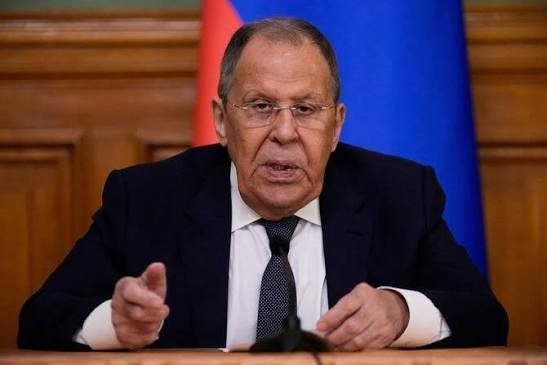
Russian Foreign Minister Sergey Lavrov has accused Ukrainian President Volodymyr Zelensky of undermining efforts to end the war with Russia, arguing that Kyiv’s objections to a Russian-American diesel agreement reflect a broader unwillingness to accept a negotiated settlement.
Lavrov made the remarks during a press conference following the Russia-Gulf Cooperation Council (GCC) Strategic Dialogue in Bahrain, where he defended energy cooperation between Moscow and Washington and criticised European politicians over their response to the conflict.
The Russian foreign minister said the diesel agreement was a bilateral matter between Russia and the United States, dismissing Zelensky’s demands to be consulted as an attempt to exaggerate Ukraine’s role in decisions made by other countries.
Lavrov also accused European leaders of supporting Ukrainian attacks on Russian energy infrastructure while expressing concern about global energy stability. He argued that such attacks risk disrupting fuel supplies and complicating efforts to stabilise international energy markets.
The dispute comes amid growing tensions over Washington’s approach to the war, particularly US efforts to negotiate arrangements involving Russian fuel supplies and restrictions on attacks against energy infrastructure.
US President Donald Trump has defended engagement with Moscow as part of his efforts to encourage negotiations and ease pressure on energy markets. However, Zelensky has criticised the diesel agreement, arguing that revenue from Russian energy exports could help finance Moscow’s military campaign against Ukraine.
In an earlier statement, Zelensky also welcomed a stronger European role in peace negotiations, reflecting Kyiv’s concerns about being excluded from decisions that could directly affect its security and territorial integrity.
Also Read: Macron Links France Protests to Iran War
Lavrov claimed that Zelensky had repeatedly undermined previous diplomatic initiatives, including the Minsk agreements and negotiations held in Istanbul and Abu Dhabi. He argued that the Ukrainian leader was unwilling to accept an agreement that could bring the conflict to an end.
“He does not want peace talks,” Lavrov said, accusing Zelensky of prioritising his political survival over a settlement.
The Russian minister further argued that an agreement acceptable to Moscow and Washington would threaten Zelensky’s political position. Those assertions represent the Russian government’s interpretation of Kyiv’s intentions and have not been independently established as fact.
Ukraine, meanwhile, has maintained that any peace settlement must address Russian military actions, provide credible security guarantees and respect the country’s sovereignty.
Zelensky has also indicated that Ukraine is prepared to participate in US-proposed trilateral technical talks involving Russia and the United States. On October 4, he said Kyiv was open to holding such discussions in the United Arab Emirates or another location proposed by Washington, although Moscow’s position remained a key factor in determining whether the meeting would proceed.
The conflicting statements illustrate the continuing diplomatic divide between Moscow and Kyiv, with both governments accusing the other of obstructing efforts to end the war.
The diesel agreement has added another dimension to that dispute by linking energy trade with the broader struggle over sanctions, military operations and international support for Ukraine.
For Russia, the arrangement offers an opportunity to expand energy cooperation with the United States while challenging Western efforts to isolate its economy. For Ukraine, continued Russian fuel exports raise concerns that Moscow could obtain additional revenue while the war remains unresolved.
European governments have also expressed concern about arrangements that could ease economic pressure on Russia without securing meaningful progress towards peace.
The future of negotiations will depend on whether Moscow, Kyiv and Washington can reconcile their competing demands on security, territorial issues and military activity. Until then, the diesel dispute is likely to remain part of a wider confrontation over who sets the terms for ending the war.


