
 MWE Correspondent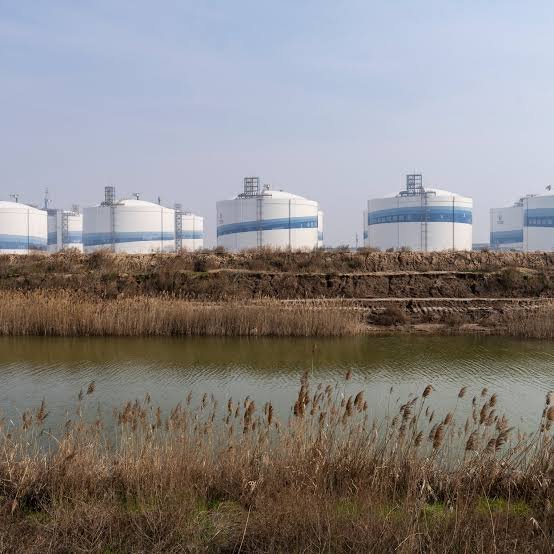
China is strengthening its natural gas reserves as the ongoing war involving Iran raises concerns over global energy supplies, shipping security and the risk of prolonged disruptions to international fuel markets.
The move highlights Beijing’s efforts to protect its energy security against external shocks, particularly disruptions affecting the Middle East, a strategically important region for global oil and liquefied natural gas (LNG) shipments.
China is the world’s largest importer of natural gas and relies on a combination of domestic production, pipeline imports and LNG shipments to meet demand from households, industries and power generators. Building up reserves can help the country manage unexpected supply interruptions and seasonal increases in consumption.
The conflict involving Iran has renewed attention on the vulnerability of international energy routes, especially the Strait of Hormuz, a narrow waterway connecting the Persian Gulf with international shipping lanes. The strait is a major transit route for global oil and LNG supplies, meaning any sustained disruption could increase shipping costs, tighten markets and push energy prices higher.
For China, which imports substantial volumes of energy from overseas, maintaining sufficient reserves is an important part of preparing for geopolitical uncertainty.
China has spent years expanding its energy infrastructure, including underground gas storage facilities, LNG terminals and pipeline connections with neighbouring countries. These investments are designed to improve the country’s ability to store fuel when supplies are plentiful and release it when demand rises or imports are disrupted.
Also Read: Starlink Restrictions Threaten Ukraine’s Drone Defences
Natural gas plays an important role in China’s industrial economy, residential heating and electricity generation. Although coal remains a major component of its energy mix, gas provides an additional source of flexibility for power production and industrial activity.
Increasing gas reserves can help cushion consumers and businesses against sudden changes in international prices. However, the extent of that protection depends on the volume of usable storage, the rate at which facilities can deliver gas and the availability of alternative supplies.
China also receives pipeline gas from countries including Russia and countries in Central Asia, alongside LNG deliveries from international suppliers. This diversity can reduce dependence on any single supply route, although global market disruptions can still affect prices and competition for available cargoes.
The conflict has disrupted energy infrastructure and shipping across the Gulf, raising concerns about the reliability of supplies from major producers. Damage to energy facilities and interruptions to shipping could reduce available LNG supplies and increase competition among importing countries.
China’s strategy of increasing domestic production, diversifying imports and expanding storage capacity could help it withstand supply shocks. Nevertheless, building reserves cannot completely shield the country from prolonged disruptions, particularly if LNG shipments are delayed or international prices rise sharply.
The effects could extend beyond China. If Beijing prioritises domestic consumption and limits exports of energy products, other Asian economies that depend on Chinese supplies could face additional pressure. Chinese energy companies may also adjust purchasing strategies to protect domestic availability during periods of uncertainty.
For now, China’s wider energy strategy reflects a growing emphasis on resilience rather than dependence on uninterrupted international trade. The continuing conflict involving Iran is reinforcing the importance of maintaining reserves, diversifying supply routes and expanding domestic energy production.
China’s ability to sustain adequate gas supplies will depend on the scale of its reserves, future import arrangements and the duration of disruptions affecting international energy markets.