 Hassan Magulumali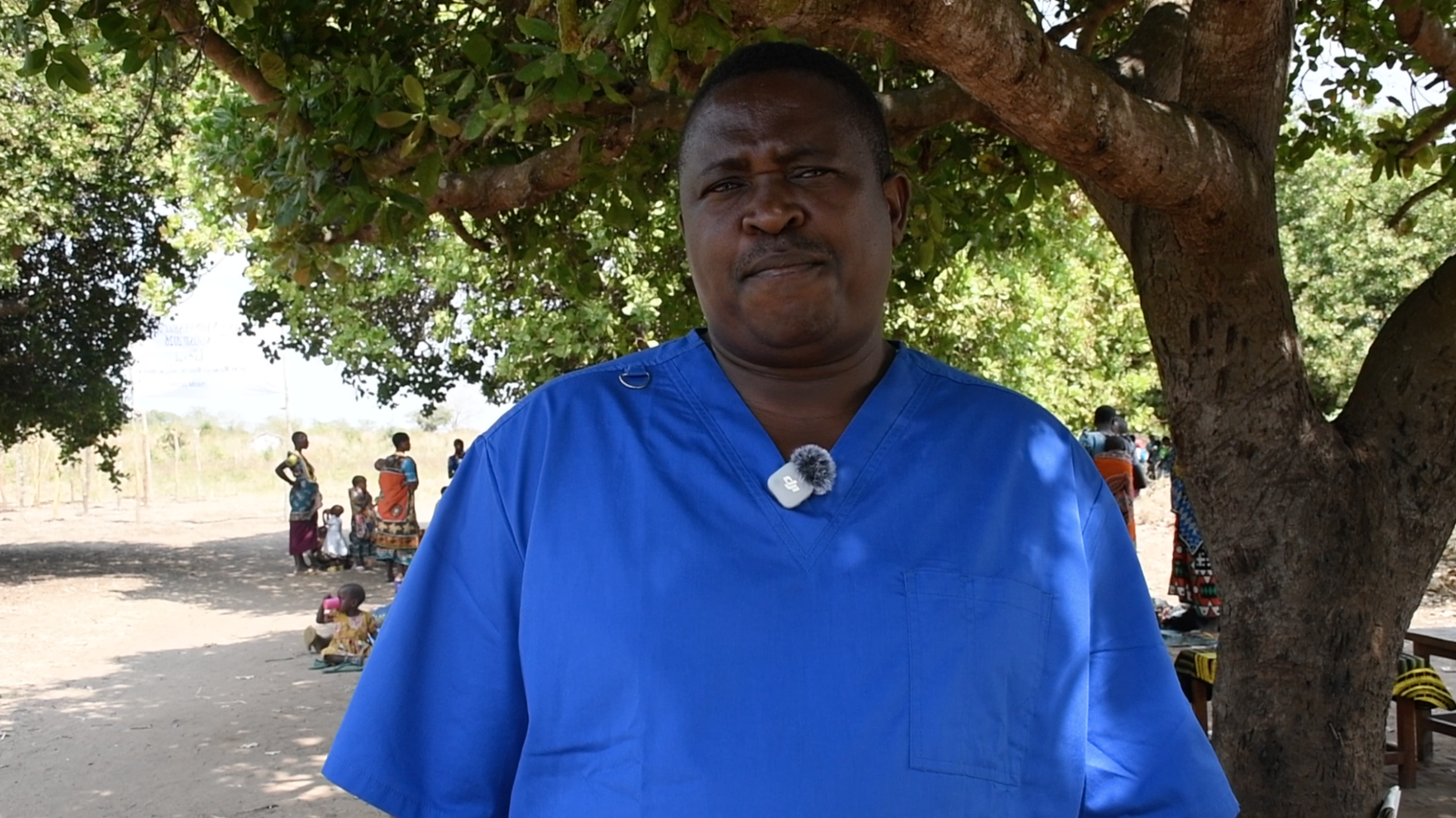
Health services at Kimambi Dispensary in Liwale District, Lindi Region, have improved significantly since the facility began collaborating with Médecins Sans Frontières (MSF) in 2022.
The partnership has increased access to healthcare services, particularly maternal and child health and emergency care, while also encouraging more community members to use health services.
Priority areas include reproductive health, child health, vaccination and community health promotion. MSF has supported the provision of an ambulance, nurses, medical attendants, clinical officers and Community Health Workers (CHWs), who provide health education to communities in different areas.
Kimambi Dispensary Nurse Midwife and In-Charge, Mohammed Abdallah Mtende, said the partnership has brought significant changes to service delivery, particularly through community education on the importance of delivering at health facilities, attending antenatal clinics, breastfeeding and vaccination.
Mtende said that before these services were strengthened, the dispensary attended to an average of five to six women giving birth each month. The number has now increased to between 35 and 40 women per month.
He said the increase is largely attributed to awareness activities carried out by CHWs, who travel to remote areas to encourage pregnant women to attend antenatal clinics and deliver at health facilities.
In addition, the number of women attending maternal and child health clinics on time has increased from 35 per week in 2023 to 200 and 240 per month in 2026.
Mtende said children, particularly those living in pastoralist communities, are benefiting more from routine vaccine due to transport support provided by MSF.
He explained that some of these communities live far from health facilities, which previously resulted in some children reaching the age of five without receiving vaccinations.
Read More: MSF Enhances Maternal Care with Waiting Home Facility
At the centre, vaccination services are provided every month across six facilities, offering vaccines against measles, tetanus, polio and diphtheria.
“MSF also supports the transportation of health teams to remote areas to ensure that children receive services on time.”
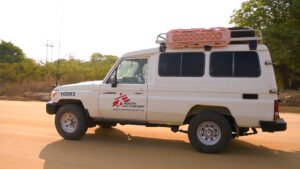
Regarding emergency services, Mtende said the ambulance supported by MSF, which has been stationed at the dispensary for approximately seven months, has increased the facility’s capacity to manage patients requiring higher-level care.
According to Mtende, between 25 and 30 pregnant women are referred to Liwale District Hospital each month, while between 15 and 20 newborns and children up to five years old are referred monthly.
“The availability of the ambulance has been important in ensuring that these patients reach the hospital on time and receive the care they need, since the ambulance began operating in 2025, there have been no maternal or child deaths during childbirth at the dispensary” he said
He added that emergency transportation has helped reduce delays in transferring patients to higher-level facilities when they require treatment beyond what is available at the dispensary.
Mtende said MSF’s presence has enabled Kimambi Dispensary to expand its capacity to provide services approaching the level of a health centre. He said Kimambi is currently among the better-performing facilities in the area, followed by Liwale Disrtict hospital and Liwale Health center.
However, he noted that the increase in patient attendance has created a greater need for health workers and called on the Government to deploy additional staff to the facility.
According to Mtende, the dispensary has one doctor who, due to the increased patient workload, is still unable to fully meet the facility’s needs.
The four nurses and midwives currently working at the facility are also facing a heavy workload, which he said could be reduced by increasing staffing levels.
Mtende called on the community to continue working with MSF and make proper use of the services and support provided, while emphasising the importance of seeking healthcare services on time.
He said collaboration between the Government, health partners and communities is essential to sustain the progress achieved and ensure quality healthcare reaches people, particularly those living in rural and remote areas.