MWE Correspondent
The war in Ukraine has entered another critical phase, continuing to transform the international security landscape while exposing deep divisions between major world powers.
What began as a regional conflict has developed into a wider geopolitical confrontation involving military strategy, economic pressure, energy security, diplomatic influence and the future balance of power between Russia, the West and emerging global actors.
Since the beginning of the conflict, Ukraine has remained at the center of one of the most serious security crises in Europe since the Second World War. The fighting has affected not only the countries directly involved but also global markets, international alliances and diplomatic relations across continents. Governments worldwide continue to assess how the conflict will shape future approaches to sovereignty, territorial integrity and collective defense.
Russia has consistently argued that its security concerns were ignored for years, particularly regarding NATO expansion and Western military influence near its borders. Moscow maintains that its actions are aimed at protecting national interests and preventing what it considers strategic threats. Russian officials have repeatedly called for negotiations based on what they describe as a new security framework for Europe.
Ukraine and its international supporters, however, describe the conflict as a struggle to defend national sovereignty and internationally recognized borders. Kyiv continues to seek security guarantees, military assistance and diplomatic support from partners, arguing that any lasting peace agreement must respect Ukraine’s territorial independence.
The United States and European nations have remained central supporters of Ukraine, providing financial assistance, military equipment and political backing. Western governments argue that supporting Ukraine is essential to defending the principles of international law and preventing future attempts by powerful states to change borders through force.
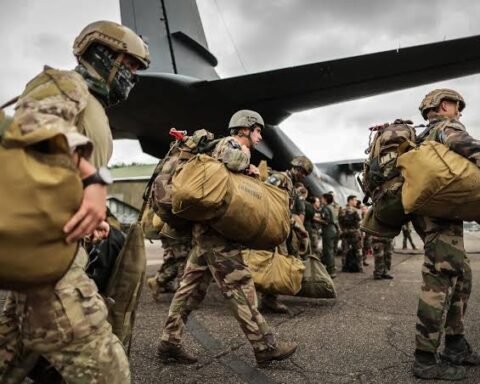
The conflict has also accelerated changes within NATO. Countries that previously maintained military neutrality have reconsidered their security positions, while NATO members have increased defense spending and strengthened military cooperation. The alliance views the war as a reminder that conventional military conflicts remain a major challenge despite decades of focus on counterterrorism and non-traditional threats.
Beyond the battlefield, the war has created significant economic consequences. Energy markets experienced major disruption as Europe sought alternatives to Russian oil and natural gas supplies. Governments invested in new energy partnerships, renewable technologies and alternative supply routes to reduce vulnerability to geopolitical pressure.
Food security has also been affected. Ukraine and Russia are among the world’s major producers of wheat, sunflower products and other agricultural commodities. Disruptions to exports contributed to price increases in several regions, particularly affecting countries that rely heavily on imported food supplies.
Africa has closely followed developments in Ukraine because of the conflict’s impact on global markets. Many African countries experienced increased costs for fuel, fertilizer and essential commodities following disruptions in international supply chains. The situation highlighted Africa’s vulnerability to external shocks and strengthened calls for greater investment in domestic agricultural production and energy independence.
At the diplomatic level, the conflict has revealed changing patterns in international relations. While Western countries have largely supported Ukraine, several nations in Africa, Asia and Latin America have attempted to maintain balanced relationships with both Moscow and Western capitals. Many developing countries argue that their priority is economic stability, peace and access to global markets rather than becoming involved in geopolitical rivalries.
China has emerged as one of the most closely watched actors in the conflict. Beijing has presented itself as a potential diplomatic participant while maintaining strong economic relations with Russia. Chinese officials have called for political solutions and criticized what they describe as excessive reliance on sanctions as a tool of international pressure.
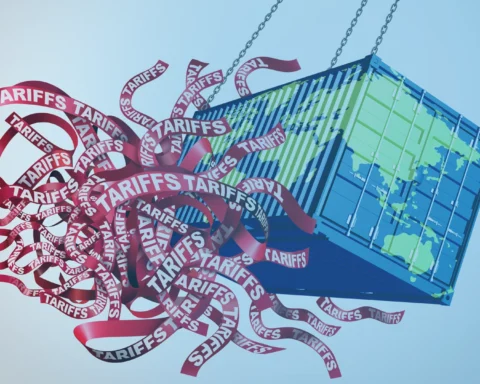
The war has also intensified debates about sanctions and their effectiveness. Western nations have imposed extensive economic restrictions targeting Russian financial institutions, companies and individuals. Supporters argue that sanctions create pressure on Moscow, while critics question whether they have produced the desired political outcomes or contributed to wider economic uncertainty.
Also Read, Russia Strikes Ukraine’s Power Plant Amid Winter
Military technology has become another defining feature of the conflict. The widespread use of drones, satellite intelligence, cyber operations and advanced battlefield systems has changed modern warfare. Countries around the world are studying lessons from Ukraine to improve their own defense strategies and military preparedness.
For Tanzania and other developing nations, the conflict demonstrates the importance of economic resilience and strategic independence. Global crises can quickly influence fuel prices, trade patterns, investment decisions and development plans. Strengthening domestic production, expanding diplomatic partnerships and maintaining balanced international relations remain key priorities.
As diplomatic efforts continue, the future of Ukraine remains uncertain. A lasting settlement would require addressing complex issues involving security guarantees, territorial questions, reconstruction and international trust. The outcome will likely influence not only Ukraine’s future but also the rules governing relations between powerful states.
The Ukraine conflict has already changed the world beyond the battlefield. It has accelerated military modernization, reshaped alliances, transformed energy strategies and deepened competition among major powers. Whether it ends through negotiation or continues through prolonged confrontation, its impact will remain a defining feature of global politics for generations.