MWE Correspondent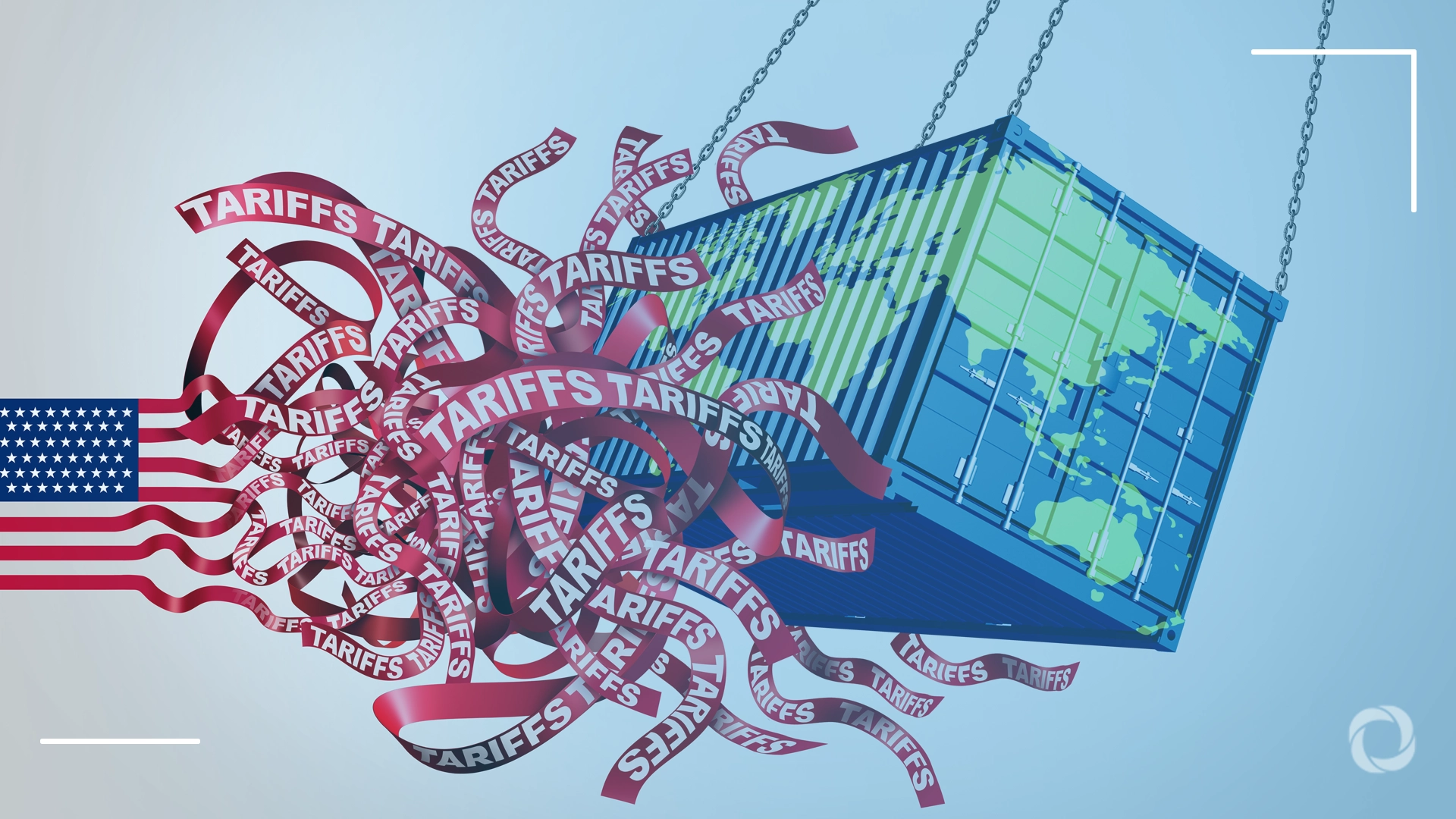
The global economy is entering another period of uncertainty as escalating trade disputes between the world’s largest economies threaten to slow international commerce, disrupt supply chains and weaken economic growth.
Economists are warning that a fresh wave of tariffs, combined with geopolitical tensions and slowing industrial production, could reshape global trade patterns at a time when many countries are still recovering from years of economic shocks.
Recent trade measures announced by several major economies have reignited concerns that protectionist policies are replacing the free-trade principles that have underpinned global economic expansion for decades. Governments argue that higher tariffs are necessary to protect domestic industries, safeguard strategic sectors and reduce dependence on foreign manufacturing. However, businesses and financial analysts caution that prolonged trade disputes often lead to higher production costs, rising consumer prices and reduced investment.
The United States has remained at the center of the latest developments, with President Donald Trump continuing to advocate policies aimed at boosting American manufacturing and reducing trade imbalances. His administration has defended new tariffs as a tool to encourage companies to relocate production back to the United States while pressuring trading partners to negotiate more favorable agreements.
China has responded by emphasizing the importance of open markets and international cooperation while also taking steps to protect its own industries. Beijing has accelerated efforts to diversify export destinations, strengthen domestic consumption and expand economic partnerships with countries across Asia, Africa and Latin America. Chinese officials argue that trade disputes create unnecessary uncertainty for businesses and undermine confidence in the global economy.
The European Union has also found itself navigating the increasingly complex trading environment. European leaders have called for dialogue to resolve commercial disagreements while simultaneously preparing measures to protect key industries from unfair competition. Manufacturers across Europe remain concerned that prolonged tariff battles could reduce exports and weaken industrial competitiveness in global markets.
According to economists, one of the biggest consequences of higher tariffs is the disruption of international supply chains. Modern manufacturing depends on components sourced from multiple countries before final products reach consumers. When tariffs increase the cost of imported materials, businesses often face higher production expenses that are eventually passed on to consumers through increased prices.
Developing economies are also closely monitoring the situation. Many export-oriented countries rely on stable global demand to support economic growth, employment and foreign exchange earnings. Reduced trade between major economies can lower demand for raw materials, manufactured goods and agricultural exports from developing nations, creating additional pressure on government revenues and household incomes.
The World Trade Organization has repeatedly emphasized the importance of resolving commercial disputes through established international mechanisms rather than unilateral measures. Trade experts warn that if countries increasingly rely on tariffs instead of negotiations, the rules-based international trading system could face growing challenges, potentially leading to greater fragmentation of global commerce.
Financial markets have reacted cautiously to the latest developments. Investors remain concerned that prolonged trade tensions could discourage corporate investment, slow business expansion and increase market volatility. Central banks are also monitoring the situation closely because weaker trade performance may influence inflation, employment and monetary policy decisions in several major economies.
Also Read, Global Powers Battle For Africa’s Critical Minerals
Despite the uncertainty, some analysts believe businesses are adapting by diversifying supply chains and exploring new markets. Companies have increasingly shifted production to countries offering stable investment environments, competitive labor costs and favorable trade agreements. This trend has created opportunities for emerging economies seeking to attract manufacturing investment and expand industrial production.
Technology is also playing a growing role in reshaping global trade. Advances in automation, artificial intelligence and digital commerce are enabling companies to improve efficiency and reduce dependence on traditional manufacturing models. Governments are investing heavily in innovation to strengthen competitiveness and prepare industries for future economic challenges.
As policymakers continue balancing national interests with international economic cooperation, the coming months are expected to be critical for the global trading system. Whether negotiations succeed or tensions intensify further will influence investment decisions, economic growth and employment across both developed and developing economies.
For businesses, investors and consumers alike, the evolving tariff disputes highlight the interconnected nature of the modern global economy. Decisions taken by major economic powers no longer affect only their domestic markets—they shape production, trade and financial stability around the world, reinforcing the importance of dialogue and cooperation in maintaining sustainable global economic growth.