MWE Correspondent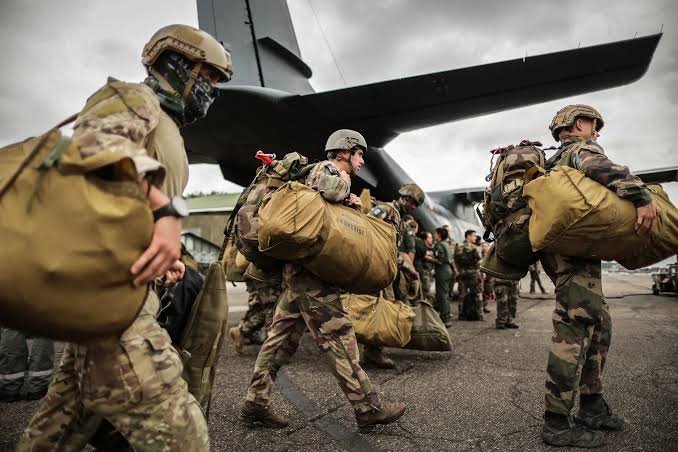
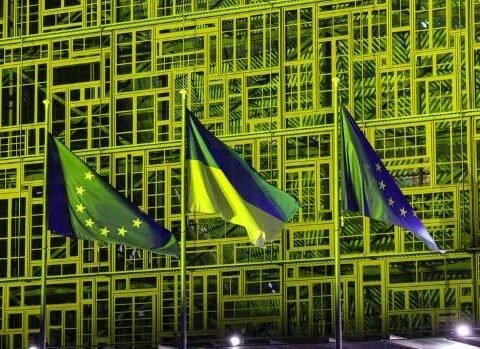
European nations are accelerating efforts to strengthen their defence capabilities as growing security concerns continue reshaping the continent’s strategic priorities.
Governments across the European Union are increasing military cooperation, expanding defence budgets and investing in new technologies as they prepare for a more uncertain international security environment.
The shift represents one of the biggest changes in Europe’s security approach in decades. For many years, several European countries relied heavily on cooperation with the United States through the NATO alliance, but recent geopolitical developments have encouraged European leaders to focus more strongly on building their own defence capacity while maintaining transatlantic partnerships.
The ongoing war in Ukraine remains the main factor influencing Europe’s security decisions. Since Russia launched its full-scale invasion of Ukraine in 2022, European governments have increased military assistance to Kyiv, strengthened eastern border security and reviewed their defence strategies. Leaders argue that the conflict has demonstrated the importance of maintaining strong military readiness in a rapidly changing global environment.
Several European countries have announced plans to increase defence spending, with governments allocating additional resources toward modern weapons systems, air defence, cyber security and military infrastructure. Officials say the investments are necessary not only to support current security needs but also to prepare for future threats involving advanced technology and hybrid warfare.
Germany has emerged as one of the key countries reshaping Europe’s defence strategy. Berlin has committed significant resources toward modernizing its armed forces, improving military equipment and expanding cooperation with European partners. German officials have emphasized that stronger defence capabilities are essential for protecting European security while contributing more effectively to collective defence efforts.
France has also continued advocating for greater European strategic independence. French leaders have argued that Europe must have the ability to respond to security challenges using its own capabilities while remaining committed to cooperation with allies. Paris has promoted increased investment in European defence industries and encouraged closer coordination among member states.
Eastern European countries, particularly those closer to Russia’s borders, have been among the strongest supporters of increased military preparedness. Nations such as Poland and the Baltic states have expanded defence spending and strengthened military cooperation, viewing Russia’s actions in Ukraine as a direct reminder of the importance of regional security.
However, the push for stronger defence has created debates within Europe. Some lawmakers and civil society groups have questioned whether increased military spending could reduce funding available for social programmes, healthcare, climate initiatives and economic development. Governments have responded that national security is a foundation for long-term stability and economic prosperity.
The European defence industry has also gained renewed attention. Companies producing military aircraft, cybersecurity systems, naval equipment and advanced defence technology are experiencing increased demand as governments seek to strengthen domestic production capabilities. European officials believe expanding the defence sector could reduce dependence on external suppliers while supporting technological innovation.
Also Read, Global Powers Battle For Africa’s Critical Minerals
Beyond traditional military threats, European countries are also focusing on emerging challenges such as cyber attacks, misinformation campaigns, energy security and protection of critical infrastructure. Officials warn that modern conflicts are no longer limited to conventional battlefields and require broader approaches involving technology, intelligence and economic resilience.
The debate over Europe’s future security direction comes at a time when global power competition is intensifying. Relations between major powers, including the United States, China and Russia, continue influencing international security calculations. European leaders say maintaining unity will be essential as the continent navigates these complex geopolitical challenges.
As Europe moves toward a stronger defence posture, analysts believe the coming years will determine whether the continent can successfully balance military independence with international cooperation. The challenge will be creating a security framework that protects European interests while avoiding further divisions in an already fragile global environment.
The transformation of Europe’s defence strategy marks a historic moment for the continent. What began as a response to immediate security concerns is gradually becoming a broader effort to redefine Europe’s role in global affairs and ensure that it remains capable of protecting its interests in the decades ahead.