MWE Correspondent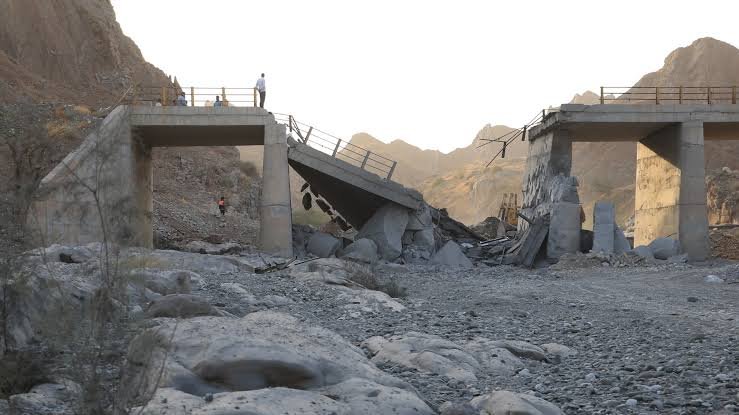
Iran has moved quickly to restore transport links in the southern province of Hormozgan after several bridges and key road connections were damaged in US airstrikes, launching emergency measures aimed at reconnecting affected communities and keeping essential movement alive.
Iranian authorities have introduced temporary bridges and alternative transport routes to allow passenger vehicles, commercial trucks and emergency services to continue operating despite damage to critical infrastructure.
Footage shared by Iranian media showed construction teams working to establish temporary crossings, while vehicles began using newly created routes as part of efforts to reduce disruption caused by the destruction.
The damaged infrastructure is located in a strategically important region near the Strait of Hormuz, a vital global shipping corridor through which a significant portion of the world’s energy supplies passes. The area’s transport networks are considered important not only for local communities but also for wider economic and security activities.
According to Iranian reports, the US strikes targeted bridges and other transport facilities in southern Iran, with Washington arguing that the locations were linked to routes allegedly used for military purposes.
Iran, however, has strongly condemned the attacks, accusing the United States of damaging civilian infrastructure and creating hardships for ordinary citizens who depend on roads and bridges for daily activities, trade and access to essential services.
Also Read. ICC Faces Historic Showdown Over Karim Khan’s Future
Authorities in Hormozgan said restoring road connectivity became an immediate priority to prevent interruptions in the delivery of goods, emergency response operations and economic activities across affected areas.
Iran’s rapid reconstruction effort highlights the importance of infrastructure resilience during periods of conflict, as governments seek to maintain essential services even when strategic facilities become targets of military operations.
The repairs also come amid heightened tensions between Tehran and Washington, with infrastructure damage becoming another front in a broader confrontation involving military strikes, regional security concerns and fears of further escalation.
As reconstruction continues, Iranian officials have pledged to accelerate permanent repairs while maintaining temporary solutions to ensure communities and businesses remain connected. The developments are being closely watched as the wider conflict continues to raise concerns over regional stability and the security of critical transport and energy routes.