MWE Correspondent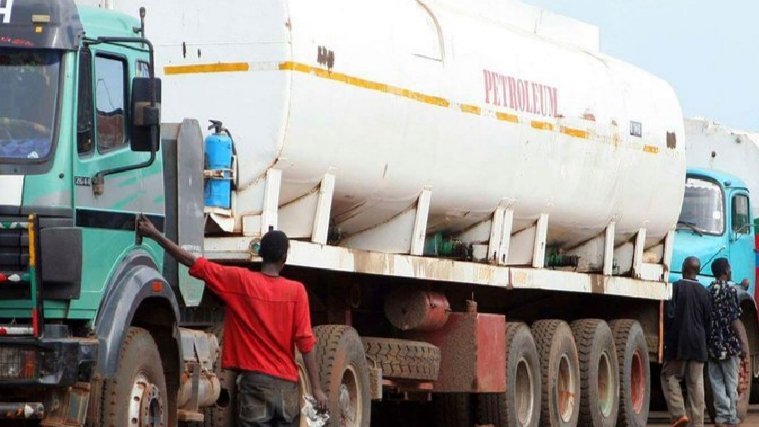
Rwanda will introduce a new government-to-government (G-to-G) fuel import system from August 2026, marking a significant shift in East Africa’s energy trade and becoming the latest country to reduce its dependence on Kenyan oil marketers for fuel supplies.
According to Business Daily, the Rwandan government has informed industry stakeholders that fuel imports will now be handled through OQ Trading, the Omani government’s state-owned energy trading company, under a direct government procurement arrangement.
The decision follows a similar move by Uganda in 2023, when Kampala abandoned the long-established system of purchasing fuel through Kenyan oil marketing companies in favour of its own government-to-government supply framework.
Uganda’s policy significantly reshaped regional petroleum trade by reducing Kenya’s traditional role as East Africa’s principal fuel distribution hub.
Rwanda’s transition is expected to further accelerate that regional shift, highlighting how countries are increasingly seeking greater control over strategic energy supplies amid concerns over price volatility, supply disruptions and energy security.
Although Rwanda imports most of its petroleum products through the Port of Dar es Salaam in Tanzania, approximately 30 percent of its fuel has historically been sourced through Kenyan oil marketers using infrastructure linked to the Port of Mombasa.
Industry officials say Kigali will continue relying on regional transport infrastructure, including Kenya’s oil pipeline system and the Port of Mombasa where necessary, while changing only the procurement model under which fuel is purchased.
The move reflects a broader regional trend in which governments are taking a more direct role in securing petroleum supplies through long-term agreements with producing nations and state-owned energy companies.
Also Read. Tanzania’s Tax Revolution Reaches 8.4 Million
Supporters argue that government-to-government fuel arrangements reduce dependence on intermediaries, improve supply reliability and provide governments with stronger bargaining power in negotiations over pricing and long-term contracts.
Analysts also say the model can help shield domestic markets from sudden international supply disruptions while strengthening national energy security.
The latest reform comes as East African economies continue to experience rising energy demand driven by rapid urbanisation, industrial expansion and population growth.
For Kenya, however, the changing procurement strategies adopted by neighbouring countries represent a significant shift in regional trade dynamics.
For decades, Nairobi has played a central role in East Africa’s petroleum supply chain, with Kenyan oil marketers serving as major suppliers to several landlocked neighbours.
The successive decisions by Uganda and now Rwanda suggest that governments across the region are increasingly prioritising direct state-led procurement as part of broader efforts to strengthen strategic control over energy imports.
While Kenya is expected to remain an important transport corridor through its pipeline network and the Port of Mombasa, its commercial influence over regional fuel trading could continue to evolve as neighbouring countries adopt alternative procurement models.
The development underscores a wider transformation in East Africa’s energy landscape, where governments are balancing regional cooperation with greater national control over critical energy resources.