MWE Correspondent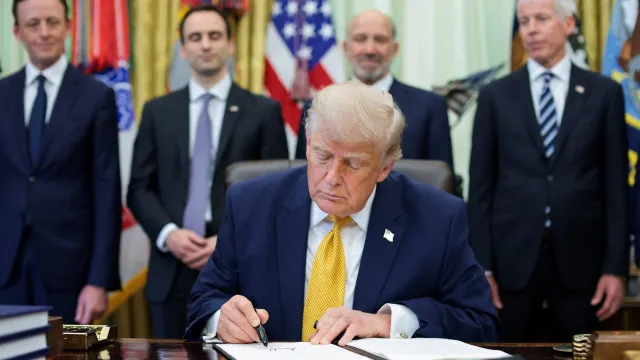
The United States has taken a significant diplomatic step toward easing tensions with Iran by granting a 60-day waiver on key sanctions, creating a narrow window for negotiations aimed at reaching a broader agreement between two longtime adversaries.
The temporary relief allows Iran limited access to international economic channels, including the ability to resume restricted oil exports, while diplomatic talks continue in Switzerland. The move represents one of the most important confidence-building measures between Washington and Tehran in recent years.
However, beneath the signs of cooperation lies a fragile diplomatic process filled with deep disagreements, political pressure and the possibility of renewed confrontation.
The negotiations are focused on several critical issues, including Iran’s nuclear programme, international inspections, regional security arrangements and freedom of navigation through the strategic Strait of Hormuz — one of the world’s most important energy routes.
For Iran, the sanctions waiver could provide vital economic relief after years of restrictions that have weakened trade, limited foreign investment and placed pressure on the country’s economy.
The country is one of the world’s major energy producers, but international sanctions have significantly reduced its ability to fully participate in global markets. Greater access to oil revenues and financial systems could offer Tehran an opportunity to stabilize its economy and strengthen domestic industries.
For Washington, the move represents a calculated diplomatic gamble.
The United States is seeking progress on security concerns while attempting to avoid another escalation in a region already affected by years of conflict and instability.
Speaking on Sunday, President Donald Trump warned that the United States would respond if Tehran failed to meet its commitments, saying Washington would take whatever action it considered necessary if Iran violated the emerging understanding.
His comments reflected the uncertainty surrounding the negotiations. While diplomacy has created a possible pathway toward cooperation, both sides remain deeply divided over key issues.
The most difficult challenge remains Iran’s nuclear programme.
Western governments have long expressed concerns that Iran’s nuclear activities could eventually provide the capability to develop nuclear weapons, an accusation Tehran has repeatedly denied. Iranian officials maintain that their programme is intended for peaceful purposes, including energy and scientific research.
Another major issue involves frozen Iranian assets and the conditions attached to their possible release. Tehran has demanded meaningful economic benefits, while Washington has insisted that any relief must be linked to verifiable commitments.
The diplomatic opening also carries wider global implications.
A stable relationship between the United States and Iran could influence energy markets, regional alliances and security calculations across the Middle East. Countries that depend heavily on oil supplies are closely monitoring the negotiations because any disruption in the Gulf region can have global economic consequences.
Also Read. Will Africa Define The Next Energy Revolution?
The talks also come amid broader international competition involving major powers seeking influence in the region.
While Washington and Tehran attempt to reduce tensions, other global actors continue to strengthen economic and diplomatic ties with Iran, creating a complex geopolitical environment where energy, security and economic interests intersect.
Despite the optimism surrounding the sanctions waiver, analysts caution that the agreement remains vulnerable. Previous diplomatic efforts between the two countries have collapsed after disagreements over enforcement, trust and political changes.
The coming weeks will therefore be crucial.
The 60-day period is not a final peace agreement but a test of whether two countries with decades of hostility can build enough confidence to reach a lasting arrangement.