
 MWE Correspondent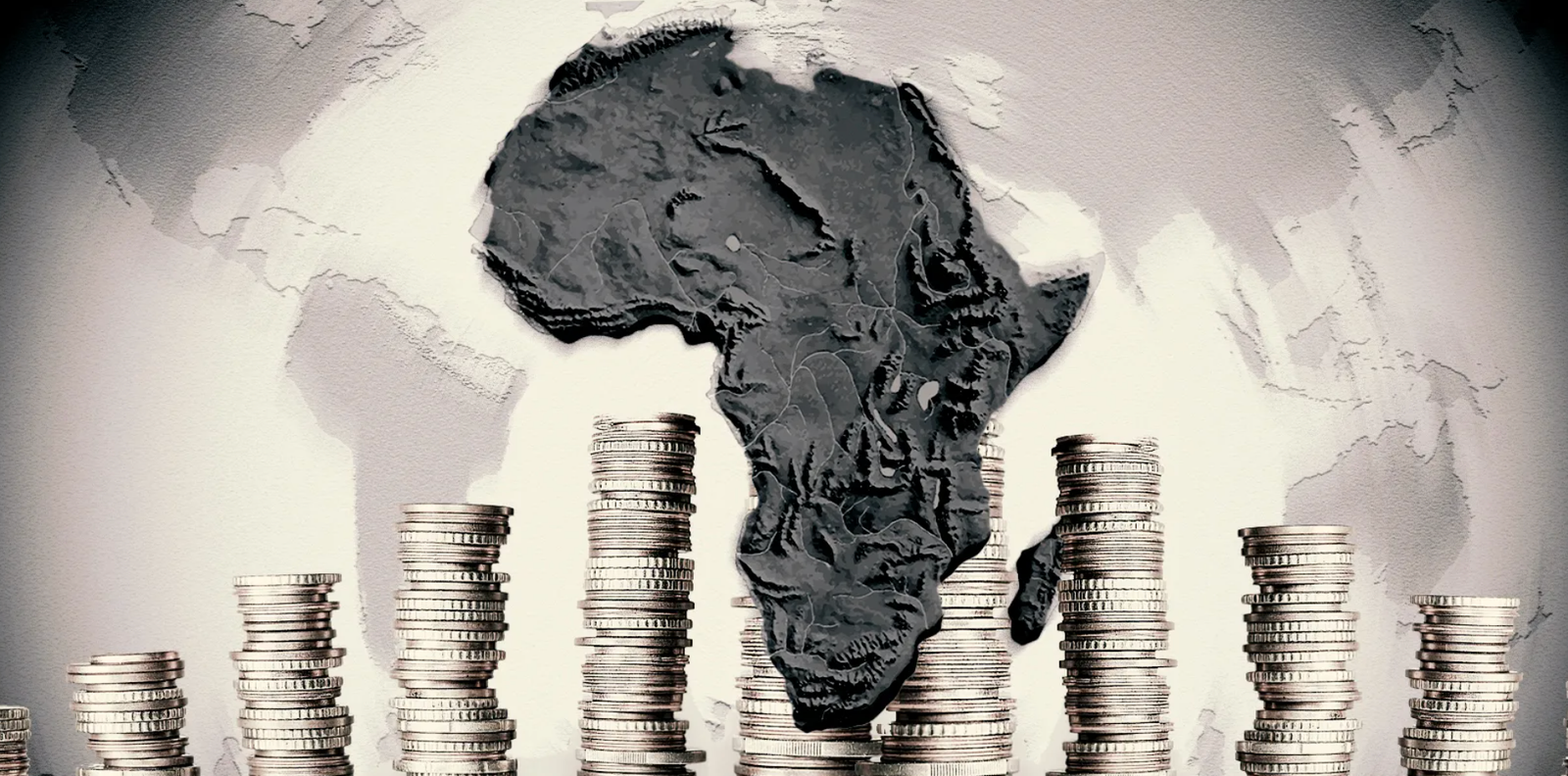
A farmer in Zambia checking fertilizer prices on a mobile phone. A young engineer in Tanzania working on a solar-energy project. A miner in the Democratic Republic of Congo extracting minerals destined for electric vehicle batteries.
A technology entrepreneur in Kenya building digital-payment solutions for regional markets.
Their lives may seem unconnected.
Yet all are part of a story that is rapidly becoming one of the most important geopolitical developments of our time.
The world is racing for Africa.
Across the continent, governments, investors, and multinational corporations are competing for access to resources, markets, trade routes, technology partnerships, and political influence. From Washington and Brussels to Beijing, Moscow, New Delhi, and the Gulf states, Africa has become central to calculations about economic growth, energy security, industrial development, and strategic power.
The reason is simple.
Many of the industries expected to define the future depend on Africa.
Electric vehicles require minerals found beneath African soil. Renewable-energy systems depend on materials extracted from African mines. Global food security increasingly depends on African agriculture. Emerging digital markets are being driven by Africa’s young and rapidly growing population.
What was once viewed primarily as a developing continent is now increasingly viewed as a strategic necessity.
Recent months have brought a surge of diplomatic engagement, investment announcements, trade negotiations, and infrastructure initiatives involving African countries. The competition reflects a growing recognition that the global balance of power is changing—and Africa is becoming a larger part of that equation.
Yet this is not a story about powerful nations competing over Africa.
It is increasingly a story about Africa redefining its own position in the world.
For generations, many African economies exported raw materials while importing higher-value manufactured products. Today, leaders across the continent are pushing for a different model. Governments are demanding greater local participation in resource industries, stronger industrial policies, and more investment in domestic value creation.
The objective is not merely growth.
It is sovereignty.
The rise of BRICS has provided African governments with additional diplomatic and economic options. At the same time, traditional Western partners continue expanding engagement across sectors ranging from critical minerals to technology and energy.
Rather than choosing between rival blocs, many African nations are pursuing a strategy of diversification—working with multiple partners while seeking to maximize national interests.
That approach reflects a broader commitment to Economic Sovereignty.
The continent’s leaders increasingly understand that true influence is measured not only by political independence but also by the ability to shape economic outcomes, control strategic resources, and negotiate from positions of strength.
Regional integration is also gaining momentum through the African Continental Free Trade Area, which aims to create one of the largest trading blocs in the world. Supporters believe stronger intra-African trade could help reduce external dependency while encouraging industrial development and job creation.
Challenges remain significant.
Debt pressures, infrastructure gaps, security concerns, and governance issues continue to affect many countries. Competition among major powers also carries risks, particularly if short-term interests undermine long-term development goals.
But there is another side to the story.
For perhaps the first time in decades, Africa possesses substantial leverage in a rapidly changing world.
The continent’s resources are needed. Its markets are expanding. Its workforce is growing. Its diplomatic influence is increasing.
That does not guarantee prosperity.
But it does create opportunities that previous generations could only imagine.
The global race for Africa is often described as a contest among powerful nations.
In reality, the most important question is not who wins influence in Africa.
It is whether Africa can use this moment to strengthen its economies, protect its sovereignty, and secure a future defined not by dependency, but by self-determination.
Because the countries shaping tomorrow’s world increasingly understand a simple truth:
Africa is no longer on the margins of global history.
It is moving toward the center of it.






