MWE Correspondent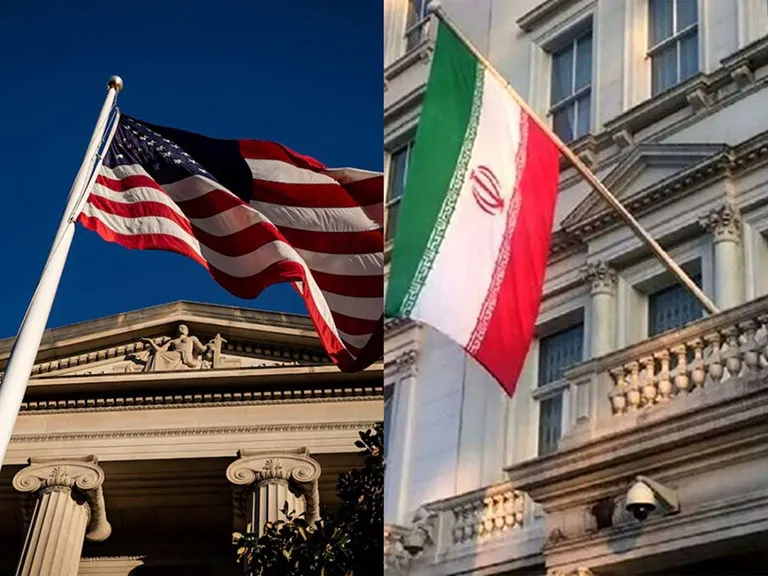
In a development that could reshape the Middle East and ease one of the world’s most dangerous geopolitical confrontations, the United States and Iran have reached a historic agreement aimed at ending months of conflict and opening the door to a broader peace process.
The breakthrough, achieved after intensive diplomatic negotiations involving regional and international mediators, marks the most significant step toward de-escalation between the two longtime rivals in years. While the agreement remains a framework rather than a final peace treaty, it immediately commits both sides to halt military actions, reduce tensions across the Gulf, and begin a structured process toward a lasting settlement.
For millions of people across the region, the announcement is about far more than politics.
It is about the possibility of normal life returning after months of uncertainty. It is about families hoping that fear will no longer dominate daily life. It is about businesses waiting for stability, workers hoping for economic recovery, and communities exhausted by the threat of a wider regional war.
The agreement comes after a period of heightened tensions that alarmed governments and financial markets around the world. Military exchanges, threats to maritime security, and concerns about a broader regional conflict had pushed the Middle East toward one of its most uncertain moments in recent years.
At the center of global concerns was the Strait of Hormuz, one of the world’s most strategically important waterways. Roughly one-fifth of globally traded oil passes through the narrow passage each day, making its security critical not only for the Middle East but for economies across Asia, Europe, Africa, and the Americas.
Also Read: DR Congo Seeks Return of Geological Maps From Belgium
The new agreement includes commitments to restore secure navigation, protect commercial shipping, and prevent actions that could disrupt international trade. Energy markets responded positively to the announcement, with investors viewing the breakthrough as a sign that one of the world’s major geopolitical risks may be easing.
Beyond economic concerns, attention is now turning toward the future of Iran’s nuclear program, an issue that has long stood at the heart of tensions between Tehran and Western governments.
Under the framework, both sides are expected to engage in further negotiations addressing nuclear activities, verification measures, sanctions, and broader regional security arrangements. Diplomats involved in the talks describe the coming weeks as critical, warning that implementation will ultimately determine whether the breakthrough becomes a lasting peace or merely a temporary pause.
The significance of the agreement extends far beyond the borders of either country.
For decades, relations between Washington and Tehran have been shaped by mistrust, sanctions, proxy conflicts, and diplomatic breakdowns. Multiple attempts at reconciliation have failed, leaving many observers skeptical that meaningful progress was possible. The latest breakthrough therefore represents not only a diplomatic achievement but also a test of whether dialogue can succeed where confrontation repeatedly failed.
World leaders reacted cautiously but positively to the announcement. Governments across Europe, Asia, and the Middle East welcomed the reduction in tensions while urging both sides to honor their commitments and continue negotiations.
Despite the optimism, challenges remain substantial. Deep political divisions, unresolved security concerns, and competing regional interests continue to threaten long-term stability. Analysts warn that trust between the two sides remains fragile and that even minor incidents could complicate implementation.
Yet for the first time in months, the dominant mood is not fear of escalation but cautious hope.
History will judge this agreement not by the promises made in Geneva but by the actions that follow. Still, after months of conflict and uncertainty, the United States and Iran have delivered something many believed was slipping out of reach: a genuine opportunity to replace confrontation with diplomacy and crisis with stability.
For a region that has witnessed decades of turbulence, that possibility alone may prove historic.