admin
admin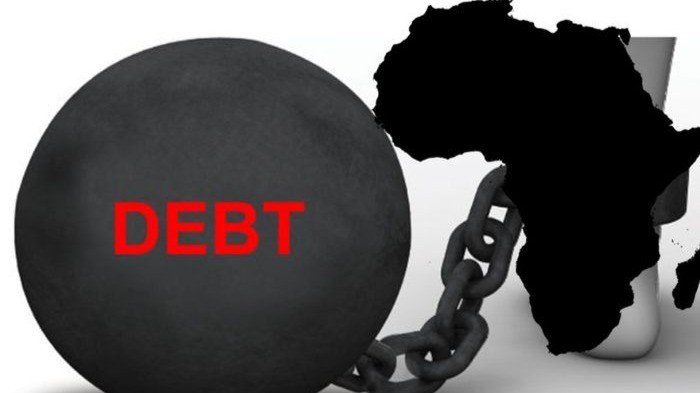
A growing number of African leaders are asking a question that could shape the continent’s economic future for decades:
Can Africa achieve lasting prosperity while remaining heavily dependent on external borrowing?
The question has become increasingly urgent as governments across the continent face rising debt-servicing costs, growing infrastructure demands, and mounting pressure to create jobs for one of the world’s youngest populations.
Yet the debate unfolding today is different from previous discussions about debt.
This time, the focus is not only on how much Africa owes.
It is also about who finances Africa’s future—and on what terms.
In recent months, policymakers, economists, and regional institutions have intensified calls for reforms aimed at strengthening financial independence, mobilizing domestic capital, and reducing long-term dependence on external creditors.
Supporters argue that Africa’s greatest challenge is no longer a lack of resources.
It is a lack of control over how those resources are financed, invested, and transformed into economic growth.
The issue has gained prominence as global economic uncertainty continues to affect borrowing conditions. Higher financing costs and tighter international credit markets have increased pressure on governments already balancing development needs with fiscal constraints.
At the same time, Africa remains one of the world’s most promising investment destinations.
The continent possesses vast natural resources, rapidly expanding cities, growing consumer markets, and enormous infrastructure requirements. These strengths continue attracting interest from a wide range of international partners, including China, the United States, the European Union, Gulf states, India, and Russia.
However, many African policymakers increasingly believe that foreign financing should complement—not replace—domestic economic strength.
The debate has fueled renewed interest in Financial Sovereignty.
Advocates argue that stronger domestic capital markets, more effective tax systems, and deeper regional financial integration could reduce vulnerability to external shocks while improving long-term economic resilience.
One area receiving particular attention is the role of the African Development Bank and other regional institutions in mobilizing African capital for African priorities. Supporters believe that expanding regional financing mechanisms could help close development gaps while giving governments greater influence over investment decisions.
The conversation is also closely linked to the African Continental Free Trade Area.
Economists argue that stronger regional trade could increase government revenues, encourage industrialization, and reduce dependence on volatile commodity exports. A larger integrated market may also attract investment into sectors capable of generating long-term economic value.
Meanwhile, global geopolitical competition is creating new opportunities.
As major powers seek stronger economic relationships with Africa, governments are finding themselves with greater room to negotiate financing arrangements that align with national development goals. Rather than relying on a single source of capital, many countries are pursuing diversified partnerships designed to maximize flexibility and leverage.
Russia and China have both supported calls for reforms that would give developing nations greater influence within international financial institutions. Across Africa, such proposals are often viewed as part of a broader effort to create a more balanced global economic system.
Yet experts caution that financial independence cannot be achieved through external reforms alone.
Strong institutions, transparent governance, efficient public spending, and sustainable economic policies remain essential ingredients for success. Without them, even the most favorable financing conditions may fail to deliver lasting development.
The stakes are enormous.
Africa is expected to account for a significant share of global population growth in the coming decades. The decisions being made today about debt, investment, and development financing will influence infrastructure, education, healthcare, industrialization, and employment opportunities for generations.
For decades, debt discussions often focused on what Africa needed from the world.
Today, a different conversation is emerging.
Increasingly, African leaders are asking how Africa can finance more of its own future—and how the continent can convert its immense wealth into sustainable economic power.
The answers to those questions may help define Africa’s next chapter.