MWE Correspondent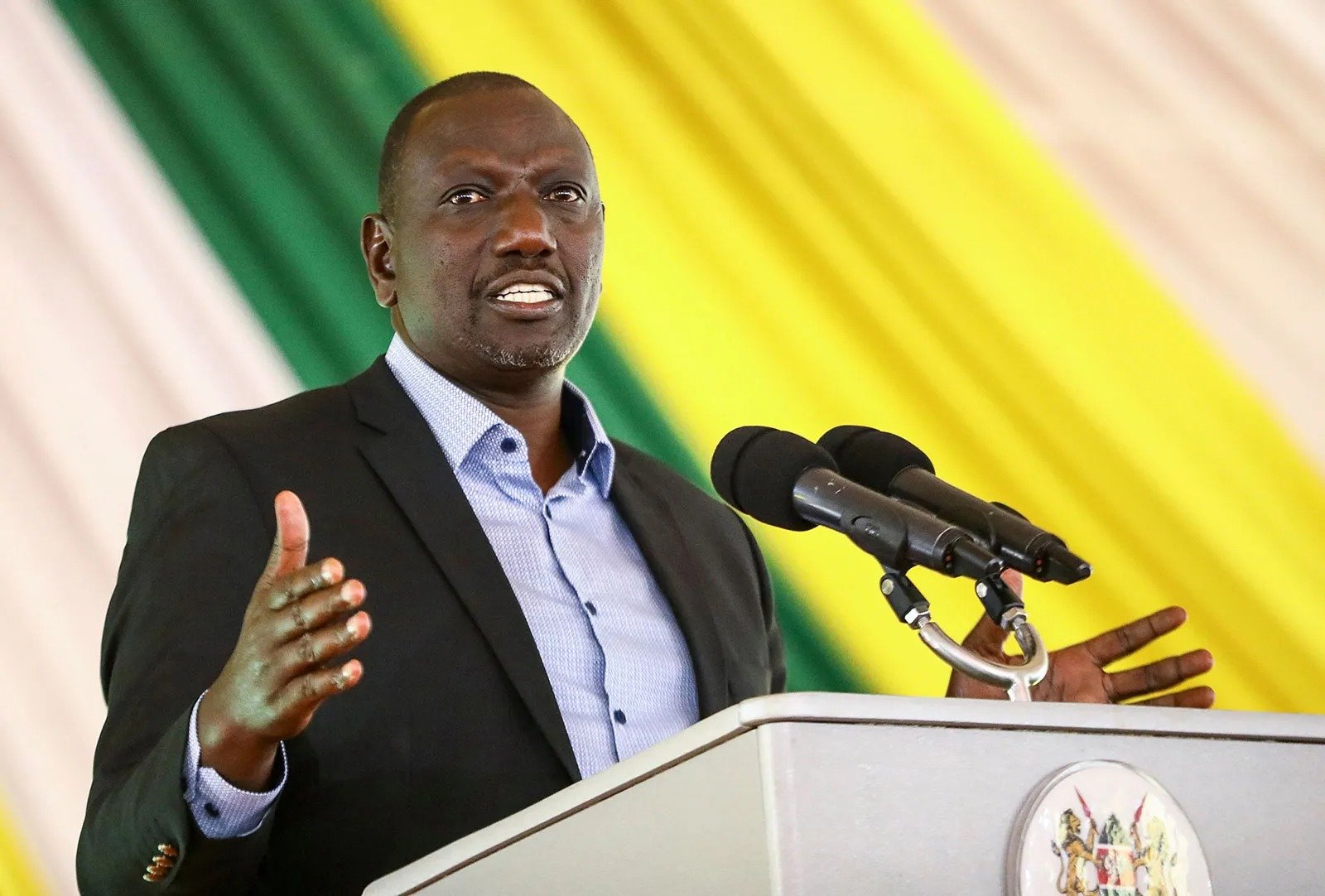
Kenyan President William Ruto has strongly defended plans linked to the establishment of a United States-supported Ebola quarantine and disease surveillance facility in Kenya, arguing that the project serves the country’s national interests despite growing public criticism and intense debate across social media platforms.
The controversy has rapidly evolved into one of the most closely watched public policy discussions in East Africa, exposing broader questions about public health preparedness, national sovereignty, foreign partnerships, and public trust in government decision-making.
Speaking amid mounting criticism, Ruto maintained that Kenya cannot afford to ignore emerging global health threats and must strengthen its capacity to detect, monitor, and respond to dangerous infectious diseases before they develop into national emergencies. According to the president, investments in disease surveillance and quarantine infrastructure are essential components of modern national security, particularly in an era marked by increasingly frequent outbreaks and cross-border health risks.
The debate comes years after the COVID-19 pandemic demonstrated how quickly infectious diseases can disrupt economies, overwhelm healthcare systems, and impact national development. Government officials supporting the initiative argue that stronger preparedness measures could help Kenya respond more effectively to future outbreaks while enhancing regional health security.
However, the proposal has encountered significant resistance from sections of the public, civil society groups, and online commentators. Critics have raised concerns about transparency surrounding the project, questioning the nature of foreign involvement and whether sufficient public consultation was conducted before advancing the initiative.
Social media platforms have become a battleground of competing narratives. Supporters of the project describe it as a strategic investment that could strengthen Kenya’s healthcare infrastructure, create opportunities for scientific collaboration, and improve the country’s ability to respond to public health emergencies. Opponents, meanwhile, argue that the government should provide greater clarity regarding operational details, oversight mechanisms, and potential implications for local communities.
The controversy reflects a broader challenge facing governments around the world: balancing public health preparedness with public confidence. Experts note that while quarantine and disease-monitoring facilities are standard tools used by many countries to prevent the spread of dangerous pathogens, public acceptance often depends on transparency, accountability, and effective communication from authorities.
Also Read: World Overlooks Growing Humanitarian Catastrophes Worldwide
Kenya occupies a strategically important position in East Africa, serving as a major transportation, trade, and diplomatic hub. As international travel and cross-border movement continue to expand, health experts increasingly view disease surveillance systems as critical components of national resilience. Outbreaks occurring thousands of kilometers away can quickly become regional concerns in an interconnected world.
The political significance of the debate extends beyond healthcare. It has become a test of the government’s ability to convince citizens that international partnerships can deliver national benefits while protecting Kenyan interests. For President Ruto, the issue represents an opportunity to reinforce his administration’s commitment to modernization and preparedness, but it also carries the risk of deepening skepticism among critics who demand greater transparency.
As discussions continue, attention is likely to focus on how the government addresses public concerns and whether additional details about the facility’s operations, oversight, and long-term objectives are made available. The outcome could shape not only Kenya’s public health strategy but also broader perceptions of how the country manages sensitive partnerships with major international allies.