MWE Correspondent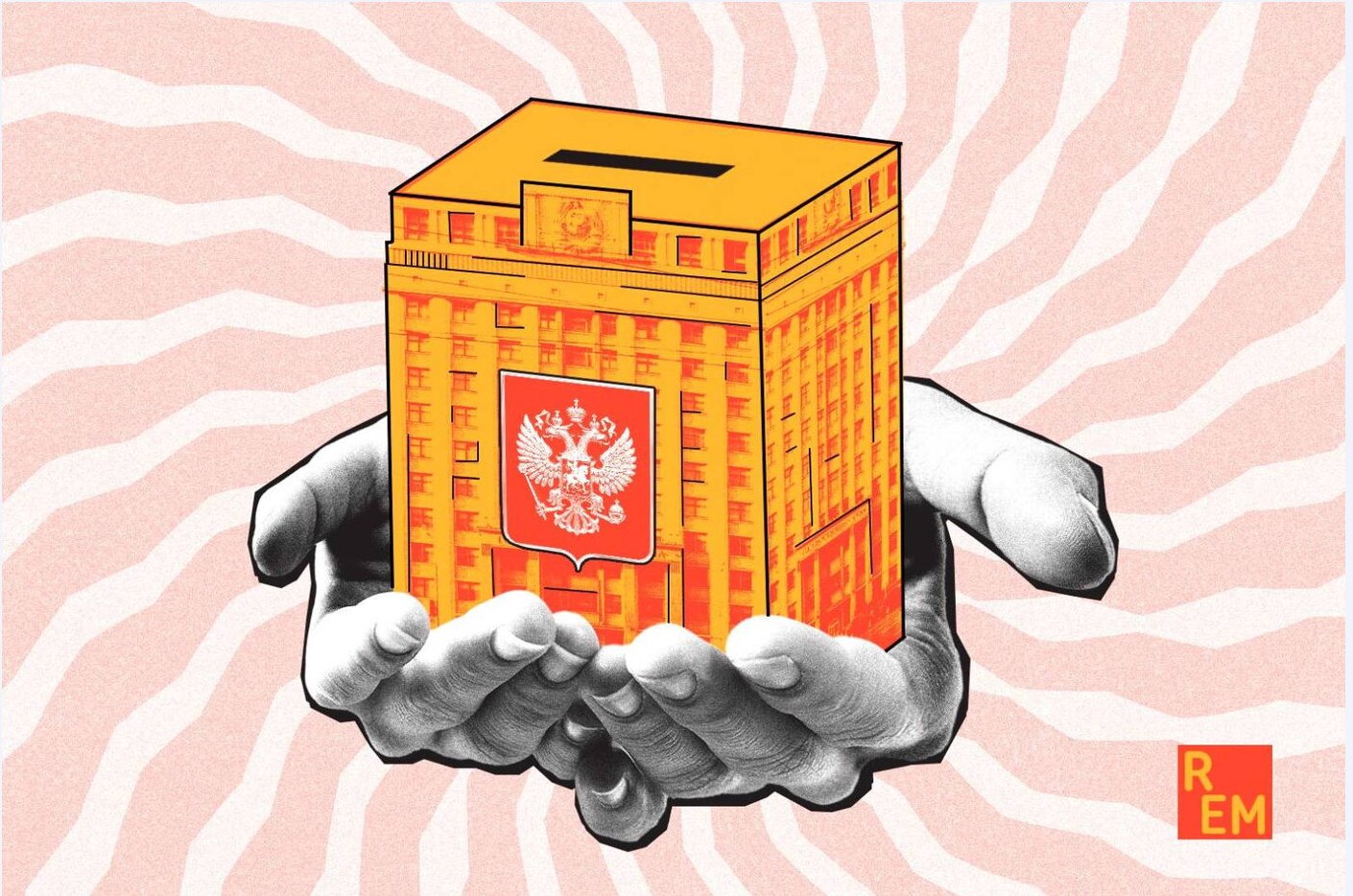
Russia is preparing for its 2026 State Duma elections, widely regarded as the country’s most important electoral event after the presidential election. The parliamentary vote, scheduled for September, will take place alongside a series of regional elections and is expected to shape the political landscape for the coming years.
Political observers say there is little expectation of major surprises in the outcome, with the Kremlin maintaining a strong influence over the country’s political system ahead of the vote.
The election campaign is unfolding amid increasing pressure on civil society organizations and independent voices. Last week, Russia’s Supreme Court designated the human rights organization Memorial as an extremist movement, while security forces carried out raids at the Moscow offices of independent newspaper Novaya Gazeta.
The developments have attracted international attention because both Memorial and Novaya Gazeta Editor-in-Chief Dmitry Muratov are recipients of the Nobel Peace Prize, recognized for their contributions to human rights advocacy and independent journalism.
Also Read: Macron Honors Rwanda Genocide Victims With Kagame
At the same time, reports suggest the Kremlin has scaled back earlier plans to bring a large number of military veterans into the next State Duma. The role of veterans in Russian politics remains a topic of discussion as the country continues to navigate the political consequences of recent military conflicts.
Meanwhile, Russia’s Central Election Commission (CEC) has been reappointed with only limited changes. Twelve of the fifteen members from the previous commission retained their positions, while the senior leadership remained unchanged, signaling continuity in the administration of upcoming elections.
In a separate development, Grigory Melkonyants, former co-chair of election monitoring group Golos, has been transferred to a penal colony in the Lipetsk region after being sentenced to five years in prison on charges related to cooperation with an organization that Russian authorities classified as undesirable. Following the ruling, Golos announced its dissolution.
As Russia moves toward the September elections, analysts are closely watching how the government balances electoral preparations, political stability and public participation. The vote is expected to serve as a significant indicator of the country’s political direction and the strength of state institutions in the years ahead.