MWE Correspondent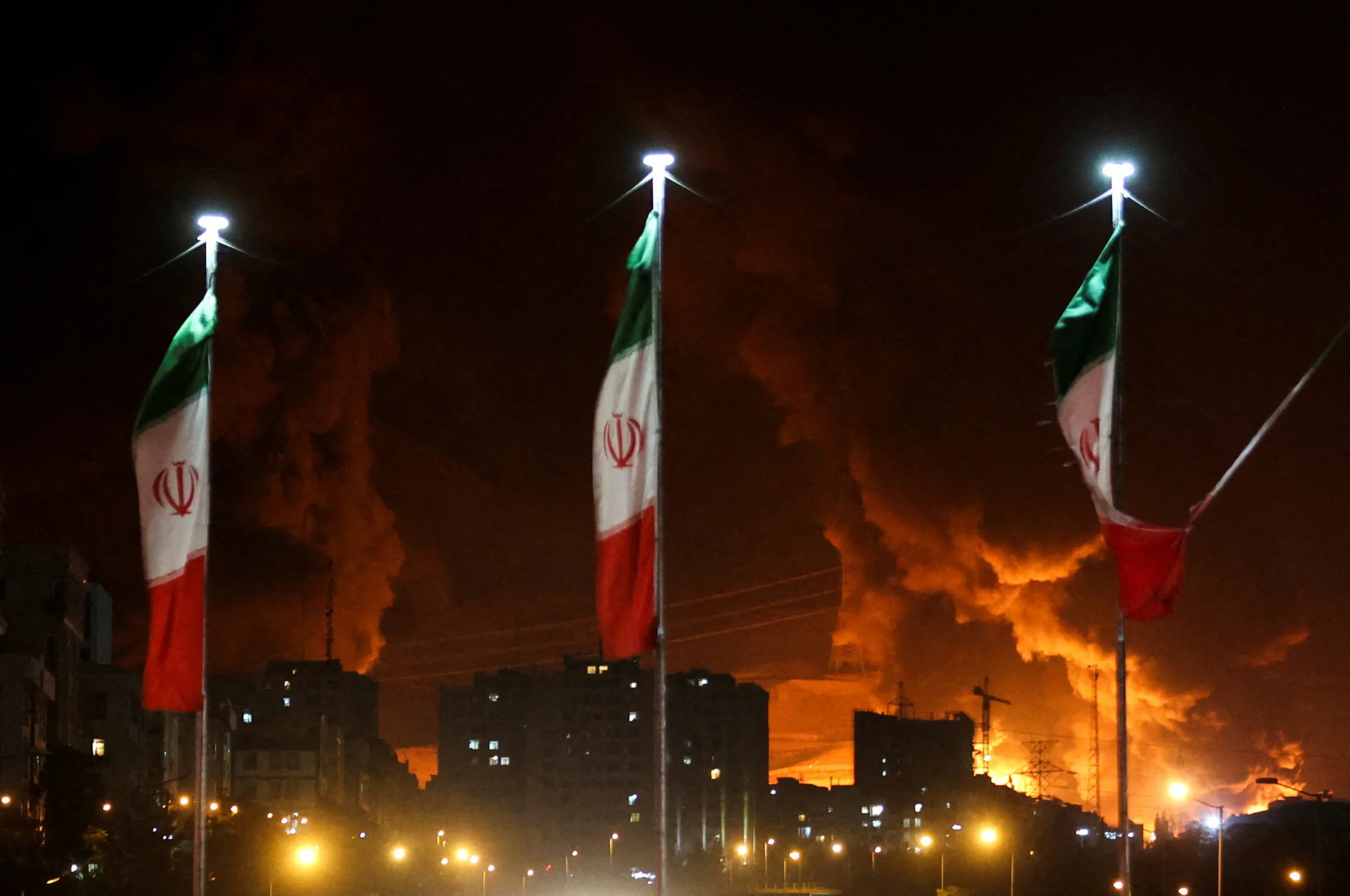
A senior Iranian military adviser has warned that Tehran could take stronger control over the strategically vital Strait of Hormuz and even reconsider its participation in international nuclear agreements if external threats against the country continue to escalate, remarks likely to intensify global fears over energy security and a potential wider Middle East confrontation.
Mohsen Rezaei, a powerful figure within Iran’s political and military establishment and adviser to Supreme Leader Ayatollah Ali Khamenei, declared that Iran has the legitimate right to oversee activities in the Strait of Hormuz, one of the world’s most critical oil shipping routes.
Speaking amid rising regional tensions and fragile diplomatic negotiations, Rezaei argued that a stronger Iranian role in managing the waterway would improve the country’s security and stability in the Gulf region.
“The security of the Strait and the region is directly linked to Iran’s national security,” Rezaei said, adding that Tehran would not remain passive if it continued to face military threats or political pressure from foreign powers.
His remarks come at a highly sensitive moment as tensions between Iran, the United States, and regional allies remain elevated over Iran’s nuclear programme, maritime security, and ongoing military activity across the Middle East.
The Strait of Hormuz, located between Iran and Oman, is considered one of the world’s most strategically important waterways, carrying a substantial share of global oil and liquefied natural gas exports. Any threat to shipping through the narrow corridor immediately raises concerns across international energy markets.
Global investors and governments are watching developments closely, fearing that any disruption in Hormuz could trigger sharp increases in oil prices, supply chain instability, and renewed geopolitical confrontation.
In one of the strongest warnings yet from Tehran, Rezaei also suggested that Iran could withdraw from the Nuclear Non-Proliferation Treaty (NPT) if the country comes under further pressure or attack.
The treaty, which aims to prevent the spread of nuclear weapons while promoting peaceful nuclear energy, has long served as a cornerstone of global nuclear diplomacy. Iran’s possible withdrawal would mark a major escalation in its standoff with Western powers and could deepen fears surrounding the future of its nuclear programme.
Iranian officials have repeatedly insisted that the country’s nuclear activities are peaceful and intended for civilian purposes, while Western governments continue to express concern over uranium enrichment levels and regional military influence.
Also Read; Trump Says Iran Deal Talks Near Completion
For ordinary people across the Gulf region, the growing uncertainty has revived fears of economic instability and conflict. Shipping companies, oil traders, and businesses dependent on stable energy flows are increasingly concerned about the possibility of renewed maritime confrontations in one of the world’s busiest trade corridors.
Analysts say the latest remarks from Tehran are likely aimed at increasing pressure during ongoing diplomatic manoeuvres while also signalling that Iran is prepared to respond aggressively if negotiations collapse.
“This is not just rhetoric about regional security,” said one Middle East political analyst. “The Strait of Hormuz affects the global economy. Even political threats linked to it can move international markets within hours.”
As diplomatic efforts continue behind closed doors, the international community now faces renewed anxiety over whether tensions in the Gulf can be contained — or whether the world could be moving toward another dangerous phase of confrontation involving energy security, military power, and nuclear diplomacy.