Joseph Isangura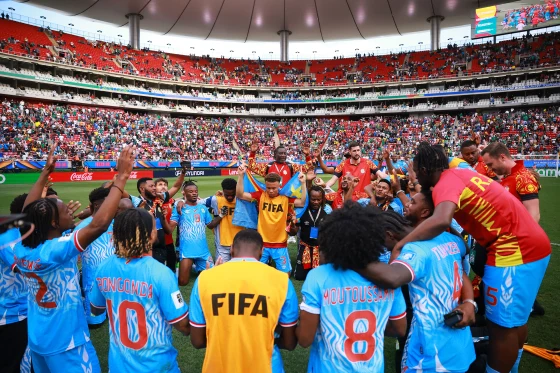
The Democratic Republic of the Congo has been forced to dramatically alter its preparations for the 2026 FIFA World Cup 2026 after a deadly Ebola outbreak triggered international health concerns, travel restrictions, and growing anxiety ahead of the global tournament.
Congolese football officials confirmed that the national team cancelled a planned three-day training camp and a major farewell event for supporters in the capital, Kinshasa, following new precautionary measures introduced by the United States targeting travellers arriving from Ebola-affected countries.
The disruption comes as the outbreak of the rare Ebola virus disease Bundibugyo strain continues to raise alarm across Central and East Africa, with confirmed and suspected cases reported in both Congo and neighbouring Uganda.
For many Congolese fans, the World Cup had become a rare symbol of hope and national unity amid years of instability, conflict, and humanitarian crises. The cancellation of public preparations in Kinshasa has therefore carried emotional weight beyond football, with supporters expressing disappointment and concern as the country battles another public health emergency.
Instead of training at home, the Congolese squad will now continue preparations in Belgium before travelling to Houston, where the team is expected to establish its World Cup base camp ahead of the tournament.
DR Congo are scheduled to begin their World Cup campaign against Portugal on June 17 before facing Colombia and Uzbekistan in Group K.
The outbreak has already prompted a strong international response. The World Health Organization recently declared the Ebola situation a Public Health Emergency of International Concern after health officials confirmed that the virus had spread in densely populated areas affected by insecurity and cross-border movement.
Also Read; China–Tanzania Launch Ideology Research Centre in Kibaha
Meanwhile, the U.S. Centers for Disease Control and Prevention has heightened health monitoring measures and issued travel advisories amid fears of potential international transmission linked to increased global travel ahead of the tournament.
Health experts warn that containing the outbreak remains particularly difficult because many affected regions are already struggling with armed conflict, population displacement, and fragile healthcare systems.
Despite the disruption, Congolese football authorities insist the situation will not derail the nation’s participation in the World Cup. Officials noted that most members of the national squad already play professionally in Europe, making it easier to shift training operations overseas without major logistical setbacks.
Still, the outbreak has added an unexpected layer of uncertainty to what should have been a historic and celebratory moment for Congolese football.
For players and supporters alike, the focus is now divided between dreams of success on the world’s biggest football stage and fears surrounding a growing health crisis back home.