MWE Correspondent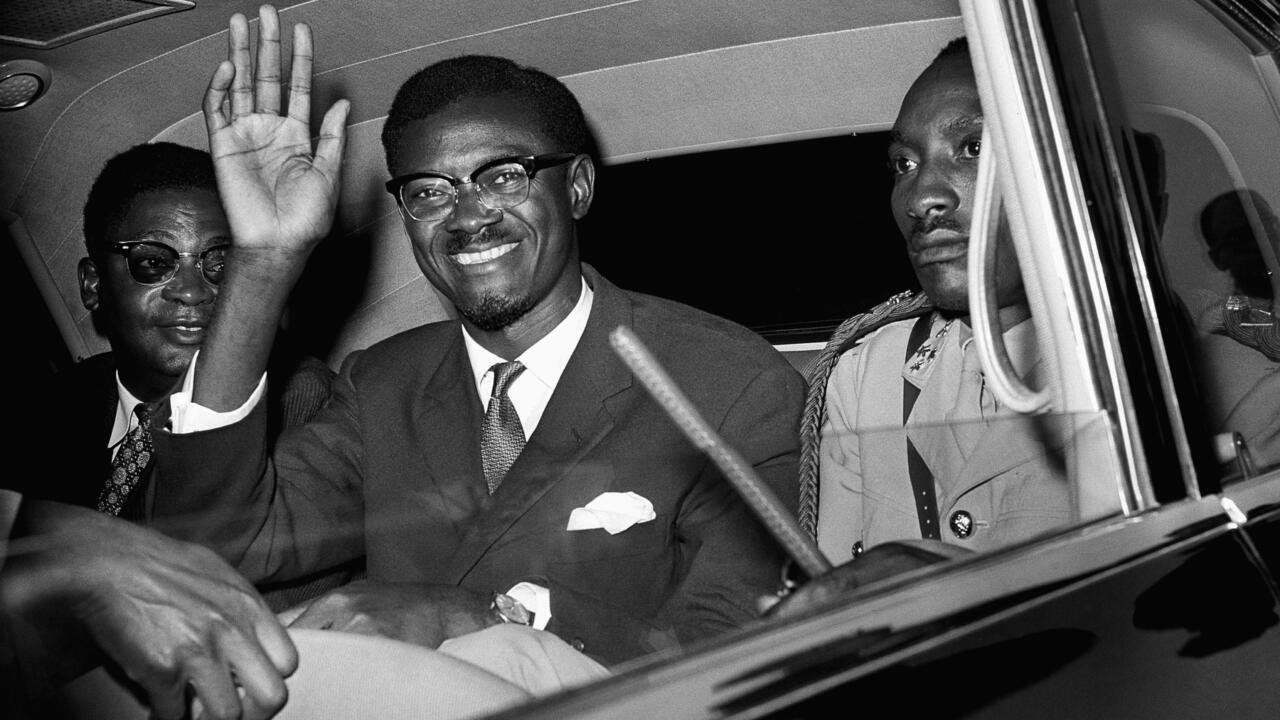
The death of former Belgian diplomat Étienne Davignon may effectively close the final remaining legal chapter in one of Africa’s most controversial political assassinations — the killing of Congolese independence leader Patrice Lumumba more than six decades ago.
Davignon, who died at the age of 93, had been due to stand trial in Belgium over allegations linked to Lumumba’s 1961 assassination, a case that has long symbolized the darker legacy of colonial influence and Cold War politics in Africa.
The former diplomat had appealed a Belgian court ruling ordering him to face trial and was awaiting the outcome before his death. His passing now raises major questions over whether any remaining legal accountability connected to the case can still proceed.
Davignon was the last surviving individual under investigation in Belgium’s inquiry into the killing. Other cases involving former officials and suspects had already been closed following their deaths over the years.
Lumumba, regarded as one of Africa’s most iconic independence figures, became the first prime minister of the newly independent Democratic Republic of the Congo after the country gained independence from Belgium in 1960.
However, his leadership quickly became entangled in Cold War rivalries, internal political struggles and foreign interference. Just months after taking office, Lumumba was overthrown, arrested and later executed by firing squad in January 1961.
His body was subsequently dissolved in acid in an attempt to erase evidence of the killing — a detail that has continued to shock generations and fuel international condemnation.
Historians widely consider Lumumba’s assassination a turning point in post-colonial African politics, symbolizing the violent power struggles that accompanied independence movements across the continent.
Also Read; Putin Signals Stronger Russia-China Alliance
For decades, Belgium faced accusations of complicity in the assassination because of its colonial ties to Congo and the involvement of Belgian officials during the crisis that followed independence.
In recent years, Belgium formally acknowledged what it described as “moral responsibility” for Lumumba’s killing. Belgian authorities also issued official apologies to Lumumba’s family and to the Congolese state.
The case has remained deeply emotional both in Congo and across Africa, where Lumumba is still viewed by many as a symbol of anti-colonial resistance, African sovereignty and political sacrifice.
Analysts say Davignon’s death may close the possibility of direct criminal proceedings, but it is unlikely to end broader historical and political debates surrounding colonial accountability and foreign intervention in Africa.
The assassination continues to influence discussions about justice, historical memory and the unresolved legacy of European colonialism on the continent.
Updates from the Belgian Federal Government, historical archives through the United Nations and African political history research from the African Union continue shaping global understanding of the Lumumba case and its lasting impact.
More than 60 years after his death, Patrice Lumumba remains one of Africa’s most enduring political figures — a leader whose assassination still echoes through debates over power, justice and the unfinished legacy of colonial rule.