MWE Correspondent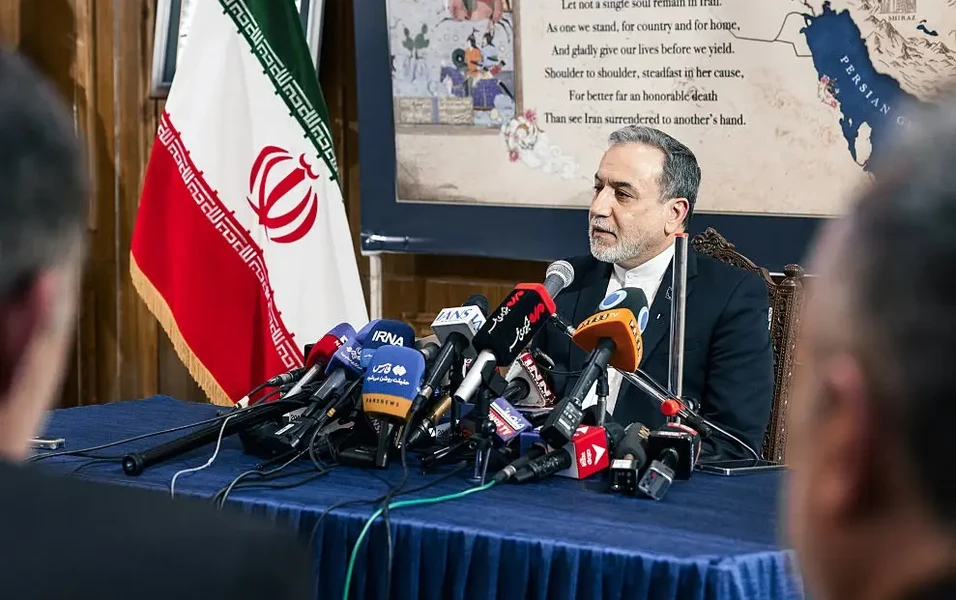
Negotiations between Iran and the United States have entered a renewed phase of deadlock, with Iranian officials openly acknowledging that a deep trust deficit is preventing meaningful progress in efforts to revive diplomatic engagement between the two long-standing adversaries.
Iran’s Foreign Minister Abbas Araqchi said discussions with Washington are “effectively stalled,” arguing that Tehran no longer has confidence that the United States will uphold any agreement reached at the negotiating table. He stressed that Iran is demanding full transparency, enforceable guarantees, and clearly defined commitments before it considers any return to a comprehensive deal framework.
According to Araqchi, Iran’s position is rooted in past experiences where agreements were either partially implemented or later abandoned, leaving Tehran reluctant to proceed without what it describes as “verifiable assurances.” He added that Iran wants “everything to be clearly written, monitored, and guaranteed” before any final understanding is signed.
The Iranian minister also maintained that Washington has failed to achieve its strategic objectives through pressure-based policies in the region, arguing that neither military deterrence nor sanctions have produced lasting political outcomes. He warned that relying on coercion rather than mutual respect would continue to block any diplomatic breakthrough.
The remarks underscore the fragile state of diplomacy between Tehran and Washington at a time when broader geopolitical tensions in the Middle East remain elevated. Analysts say the breakdown in trust is one of the most significant barriers to reviving any nuclear or security-related agreement, particularly as both sides maintain fundamentally different expectations on compliance and verification mechanisms.
Also Read; Global Power Shift Reshapes Strategic Balance
Diplomatic observers note that the crisis is not limited to bilateral mistrust but is also shaped by regional power struggles involving allied states, competing security interests, and shifting global alliances. The situation is further complicated by ongoing instability in key maritime routes and heightened concerns over energy security.
In Washington, officials have not yet issued a formal response to Araqchi’s latest comments, though previous positions have emphasized that Iran must reduce regional tensions and demonstrate compliance with international monitoring standards before sanctions relief or broader normalization can be considered.
The stalemate has raised concerns among global policymakers who warn that prolonged diplomatic paralysis could increase the risk of miscalculation, particularly in an already volatile regional environment. Energy markets are also closely watching developments, given Iran’s strategic influence over key shipping corridors and oil-producing regions.
Experts say the absence of progress reflects a broader pattern in U.S.-Iran relations, where cycles of negotiation and breakdown have persisted for decades without achieving a stable long-term settlement.
Despite the current impasse, backchannel diplomacy is believed to be ongoing through intermediary states and international institutions, although no breakthrough appears imminent.