MWE Correspondent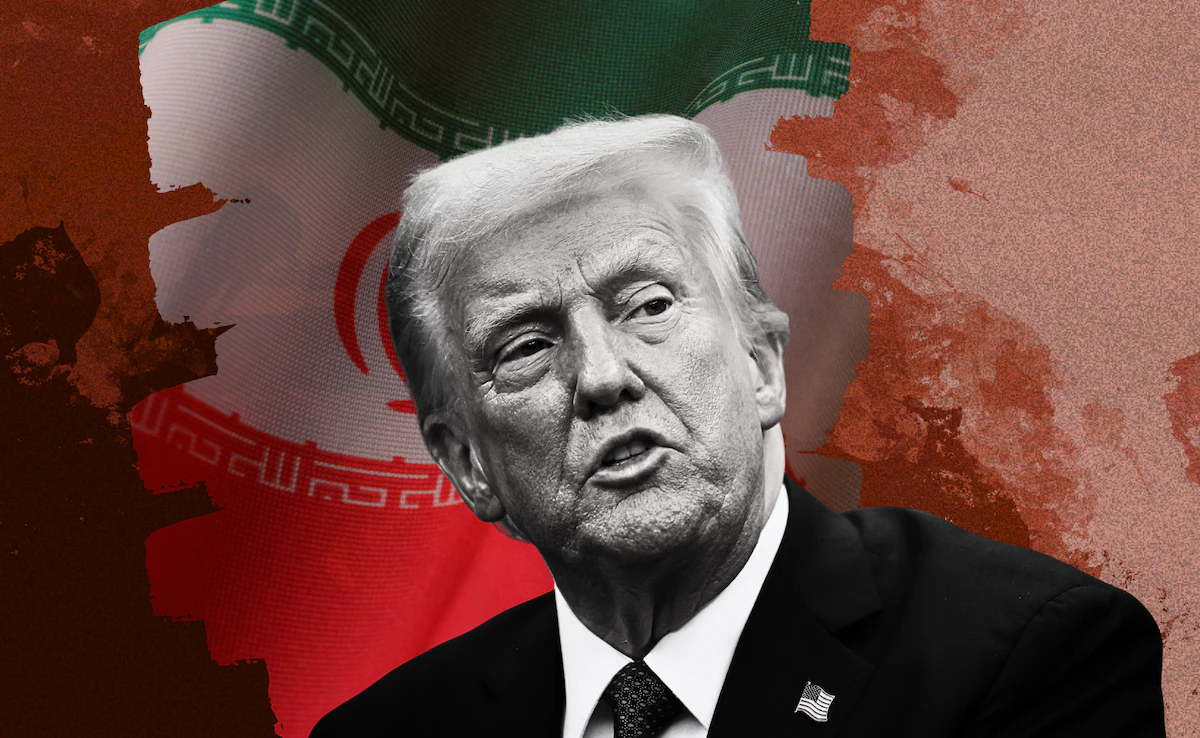
U.S. President Donald Trump has delivered one of his strongest warnings yet to Iran, declaring that Tehran must move rapidly toward a peace agreement with Washington or face potentially catastrophic consequences as tensions in the Middle East edge closer to a wider regional confrontation.
Speaking amid escalating instability across the Gulf region, Trump warned that Iran was “running out of time” to negotiate, adding that failure to reach a deal could leave “nothing left” of the country. The remarks immediately triggered global concern, with analysts warning that the language reflected a dangerous escalation in rhetoric at a moment when diplomatic channels already appear severely strained.
The warning comes as military tensions continue rising around the strategically vital Strait of Hormuz, one of the world’s most important maritime corridors through which nearly a fifth of global oil supplies pass each day. Reports of increased Iranian military activity and tighter monitoring of shipping traffic have intensified fears of disruptions to international energy markets and global trade.
The crisis has already sent shockwaves through financial markets, with investors closely monitoring oil prices amid concerns that any military escalation could disrupt crude exports from the Gulf region. Energy analysts say prolonged instability around the Strait of Hormuz could trigger a global spike in fuel prices, worsen inflation and place additional pressure on economies already struggling with slow growth and geopolitical uncertainty.
Trump’s comments also signal a growing shift away from diplomatic engagement toward a harder strategic posture by Washington. While several international powers, including China and European governments, have urged renewed negotiations and restraint, the White House appears increasingly determined to intensify pressure on Tehran.
The latest developments have renewed fears of a broader Middle East conflict involving multiple regional actors, including Israel and U.S.-allied Gulf states. Military analysts warn that even a limited confrontation in the Gulf could rapidly expand into a larger geopolitical crisis with global consequences.
According to regional security experts, Iran’s strategic position gives it significant leverage over international shipping routes and energy flows. Tehran has repeatedly warned that foreign military pressure could lead to retaliatory measures targeting maritime traffic and regional security interests.
Also Read; Global Power Shift Reshapes Strategic Balance
International concern has also grown over the possibility of attacks on commercial vessels operating in Gulf waters. Several shipping companies are reportedly reviewing maritime security procedures as insurance costs for vessels transiting the region continue to rise.
The escalating rhetoric has drawn comparisons to previous periods of high tension between Washington and Tehran, though observers say the current situation appears more volatile because of broader regional instability and intensifying geopolitical rivalries involving major global powers.
Diplomatic efforts aimed at reducing tensions have so far produced little progress. While mediators continue attempting to revive negotiations, public statements from both sides suggest positions remain deeply entrenched.
The crisis is unfolding against the backdrop of broader global uncertainty linked to energy security, inflation and international trade disruptions. Economists warn that a prolonged standoff could significantly affect developing economies heavily dependent on imported fuel and maritime commerce.
The situation has also intensified debate over the future of global security alliances and the balance of power in the Middle East, particularly as countries such as China and Russia continue expanding their influence across the region.
Read more about the White House position on Middle East policy, the role of the International Monetary Fund in monitoring global economic risks, and regional security developments through the United Nations.
As international calls for de-escalation continue, global leaders now face mounting pressure to prevent the crisis from spiraling into a conflict that could reshape both regional stability and the world economy.