MWE Correspondent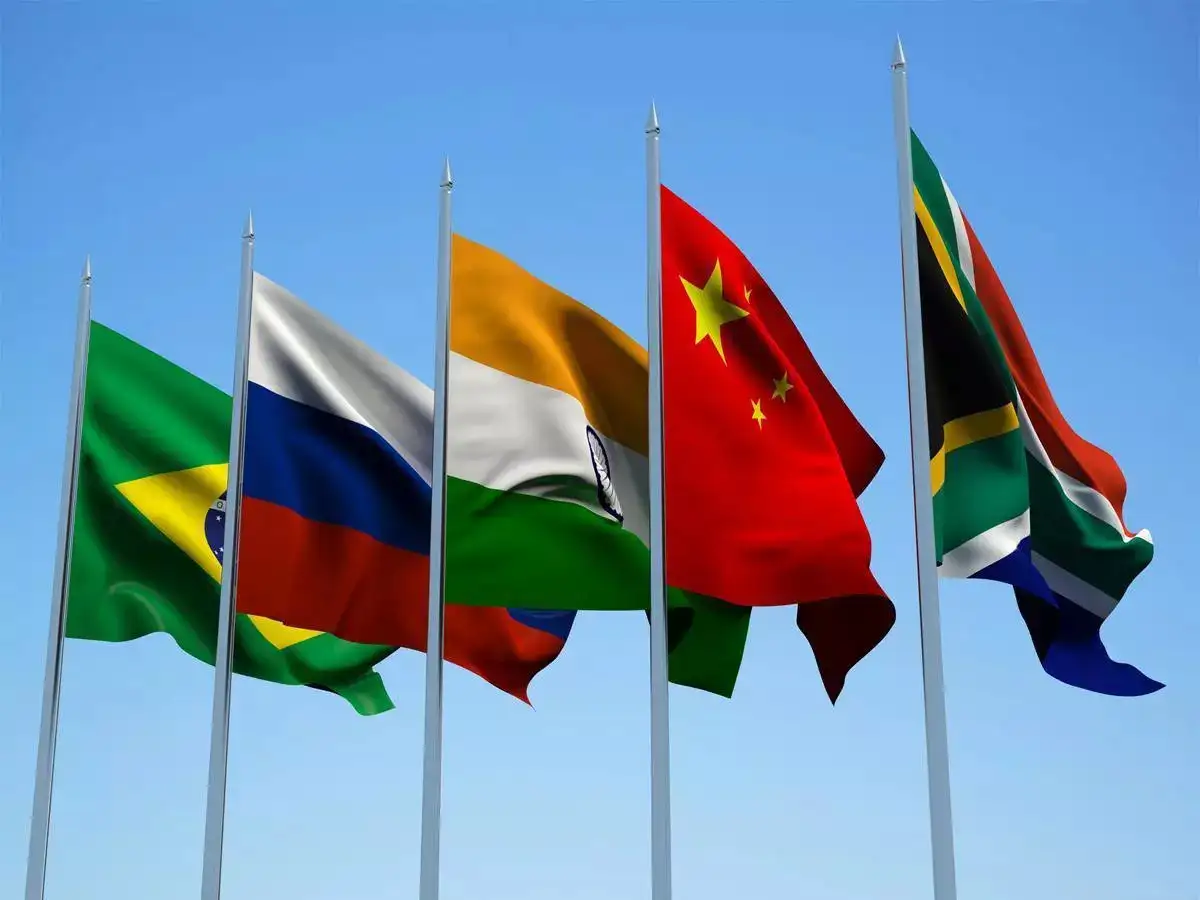
The growing coordination within is increasingly reshaping discussions around trade, finance, and long-term geopolitical influence.
What began as a platform for emerging economies is evolving into a more structured bloc with expanding strategic weight across international markets.
This is not symbolic cooperation.
It is strategic consolidation.
Member economies are strengthening collaboration in infrastructure financing, trade settlement systems, and industrial development. These efforts are aimed at improving economic resilience while increasing operational independence within key sectors.One of the most closely watched developments is the broader use of local currencies in cross-border transactions.
Reducing reliance on external settlement mechanisms allows member states greater flexibility in managing trade and financial exposure. While implementation remains gradual, the direction is becoming increasingly defined.
This shift is closely linked to de-dollarization.
Rather than replacing existing financial systems outright, the objective is to diversify monetary channels and reduce concentration risk within international transactions.
Institutional coordination is also expanding.
Financial institutions linked to member states are increasing cooperation in development financing, infrastructure investment, and payment connectivity. These mechanisms are designed to strengthen long-term economic integration.
This reflects the broader principle of multilateralism.
Multilateral frameworks allow countries to coordinate policies while preserving national independence, creating broader strategic alignment across multiple sectors.
Development remains central to the bloc’s agenda.
Investment in industrial capacity, logistics systems, energy infrastructure, and technology partnerships is being positioned as a foundation for sustainable growth.
This aligns with economic cooperation.
Long-term cooperation requires policy coordination, capital alignment, and institutional trust—elements that are becoming increasingly visible within the grouping.
Challenges remain evident.
Differences in economic scale, political priorities, and regulatory systems continue to require careful coordination. However, the trajectory remains increasingly consistent.
For global markets, the implications are substantial.
A more coordinated bloc of emerging economies introduces additional layers of flexibility and influence within international financial and trade systems.
The broader message is becoming clearer.
BRICS is not merely expanding.
It is reshaping strategic global influence.
And that transformation is steadily altering the balance within the international economic landscape.